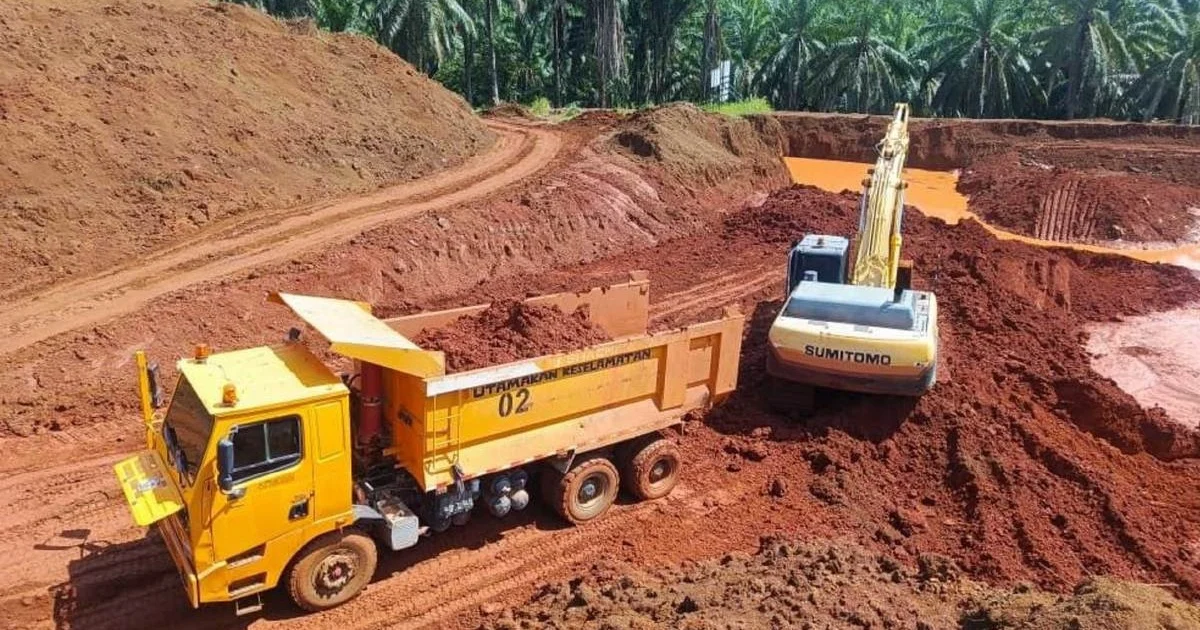
A significant crackdown on illegal mining operations in Pahang has yielded the arrest of nine individuals and the confiscation of assets valued at RM3.75 million following a coordinated raid at an unlicensed mining site on a Felda plantation in the Bukit Goh vicinity of Kuantan. The operation represents a notable enforcement success in combating the persistent problem of unregulated mineral extraction across Malaysia's resource-rich regions.
Authorities recovered approximately 10,000 tonnes of bauxite-bearing soil during the operation, alongside heavy-duty machinery and transport vehicles that had been utilised to process and move the extracted material. The scale of materials seized underscores the industrial nature of the operation and suggests the venture had been functioning at considerable capacity, likely generating substantial illicit profits for those involved.
The location of the illegal mining at a Felda settlement area raises concerns about the infiltration of unregulated mining into agricultural communities designated for smallholder development. Such operations can contaminate surrounding land, disrupt water sources and create physical hazards for residents living in proximity to extraction sites. The use of a government-administered land area for mineral theft also indicates regulatory enforcement gaps that require attention.
Illegal bauxite mining has persisted as a challenge across several Malaysian states, particularly in Pahang, Johor and Terengganu where deposits are abundant. The relative ease of extraction and high market demand for bauxite—a primary ore of aluminium with applications in aerospace, construction and manufacturing—makes it an attractive target for criminal operators seeking quick financial returns. International price fluctuations can intensify pressure to increase illegal extraction.
The economic value of the seized equipment demonstrates the capital investment these operations require. Beyond machinery and vehicles, successful enforcement depends on tracing supply chains to identify buyers and processors of illegally mined materials, as well as those providing logistics and financing support. A comprehensive approach to disrupting these networks remains crucial for sustainable results.
The nine individuals now in custody face potential charges under Malaysia's mining legislation and environmental protection laws. Penalties for illegal mining can include fines and imprisonment, though enforcement consistency across jurisdictions has historically varied. The severity of judicial responses influences whether such penalties function as effective deterrents or become merely operational costs for criminal enterprises.
Felda plantations, established to provide sustainable livelihoods for rural communities, have occasionally encountered encroachment by illegal mining operators. This situation underscores the challenge of protecting designated land uses while ensuring adequate on-ground policing in rural districts. Cooperation between Felda management, local authorities and law enforcement remains essential for preventing future intrusions.
From a regional perspective, illegal mining poses environmental and economic challenges across Southeast Asia. The illicit trade in minerals complicates legitimate resource management, distorts market pricing and deprives governments of tax revenues essential for infrastructure and social programmes. Transnational cooperation on supply chain transparency has begun emerging as a priority for regional mining governance.
This raid reflects stepped-up enforcement activity in Pahang, suggesting heightened attention to illegal mining following previous public concerns about environmental degradation and unregulated extraction. Such operations typically require sustained pressure rather than isolated enforcement actions to achieve meaningful suppression of criminal mining networks.
The confiscation of machinery and stockpiled material represents both a financial blow to the operation and a removal of productive capacity. However, effectiveness ultimately depends on whether enforcement disrupts the entire supply chain—from extraction through to processing and sale. Without addressing demand-side factors and market mechanisms that incentivise illegal mining, similar operations may resurface elsewhere with minimal delay.
For Malaysian readers, this raid demonstrates law enforcement commitment to resource protection and environmental compliance, though broader questions remain about the adequacy of border controls, inter-agency coordination and penalties required to fully deter industrial-scale illegal mining. The case illustrates how mineral wealth, while economically valuable, requires robust regulatory frameworks to ensure extraction benefits legitimate stakeholders rather than criminal networks operating beyond law.

