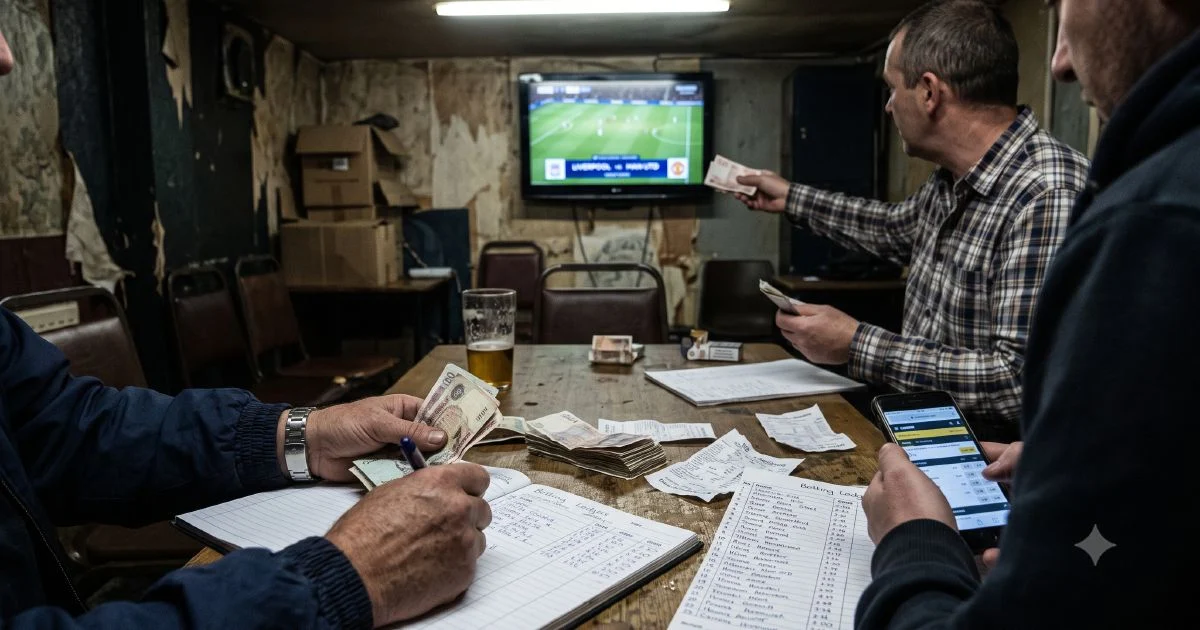
In a significant nationwide crackdown on unlicensed gambling, Malaysian police have arrested 331 individuals and uncovered betting transactions exceeding RM2.63 million through Operation Soga XI, a coordinated enforcement campaign targeting sports betting and online gambling rings capitalising on the FIFA World Cup 2026. The operation represents a substantial effort to disrupt the lucrative underground betting market that flourishes during major international football tournaments, when enforcement agencies intensify monitoring of illegal wagering networks.
The scale of the operation underscores the persistent challenge Malaysia faces in combating underground gambling syndicates, which operate through encrypted messaging platforms, illegal betting terminals, and online portals that evade regulatory oversight. These networks thrive precisely because major sporting events like the World Cup generate enormous interest among bettors seeking odds unavailable through licensed operators, creating a parallel financial ecosystem that functions beyond state control and taxation.
Malaysia's licensed gambling sector, regulated through entities like Sports Toto and Magnum, faces constant competition from unlicensed operators offering better odds, higher payout ratios, and reduced regulatory restrictions. This competitive disadvantage has encouraged consumers to seek alternative betting channels, thereby sustaining the very criminal networks that law enforcement targets. The World Cup, occurring every four years with massive global viewership, represents one of the most profitable periods for underground gambling operations, justifying the intensive police resources deployed during Op Soga XI.
The RM2.63 million in transactions uncovered during the operation indicates substantial financial flows through these illegal channels—money that bypasses legitimate taxation systems and potentially fuels other criminal enterprises. Intelligence gathered during such operations often reveals connections between betting syndicates and other forms of organized crime, including loan-sharking, money laundering, and human trafficking networks that exploit vulnerable gamblers caught in cycles of debt.
Operation Soga XI's naming convention suggests this represents the eleventh iteration of a standardized enforcement protocol, indicating that targeting World Cup-related gambling has become institutionalized within Malaysian police operations. This systematic approach allows law enforcement to apply lessons learned from previous campaigns, refine operational tactics, and build institutional memory around the specific organizational structures these betting rings adopt during major tournaments.
The arrest of 331 individuals likely encompasses various roles within these criminal hierarchies—from street-level agents collecting bets and managing betting terminals, to technology specialists maintaining illegal platforms, through to network coordinators organizing regional operations. This vertical approach to dismantling syndicates differs from targeting only street-level operators and instead focuses on disrupting the entire supply chain, though enforcement agencies must navigate the challenge that kingpins frequently insulate themselves from direct involvement in illegal transactions.
For Malaysian readers, the operation's timing ahead of World Cup 2026 carries practical implications. The tournament kicks off in North America during June and July 2026, coinciding with school holidays and peak football interest when illegal betting typically surges. Police are signalling early enforcement intentions, potentially deterring some participation in underground networks, though historical patterns suggest such disruptions typically achieve temporary rather than permanent effects on syndicate operations.
The operation also reflects Malaysia's regulatory predicament regarding gambling. While Islam prohibits gambling for Muslim citizens, Malaysia's large non-Muslim population and significant expatriate communities create demand for licensed betting services. However, political sensitivities around gambling in a Muslim-majority nation constrain the expansion of legal betting infrastructure, inadvertently pushing consumers toward illegal alternatives. This structural mismatch between demand and legally available supply perpetuates underground markets that no enforcement operation alone can eliminate.
Regional context matters significantly here. Southeast Asia broadly faces similar challenges with illegal gambling networks that operate across borders, utilizing servers in jurisdictions with lighter regulation and serving customers across multiple nations. The FIFA World Cup's global appeal means Malaysian betting rings likely interface with syndicates in neighbouring countries, complicating purely national enforcement efforts that require cross-border cooperation rarely achieved at the operational level.
The financial magnitude revealed—RM2.63 million—represents transactions uncovered during a specific operation window, not total annual illegal betting revenue in Malaysia. Credible estimates suggest the actual underground gambling market substantially exceeds this figure, with law enforcement typically intercepting only a fraction of total illegal activity. The visible portion uncovered by Op Soga XI probably represents less than ten percent of actual World Cup-related wagering occurring nationwide across all unlicensed channels.
Police operations of this scale require considerable resource deployment including surveillance teams, financial investigators, cyber specialists, and personnel for simultaneously executing search warrants and arrests across multiple locations. The operational complexity involved in coordinating 331 arrests across Malaysia suggests weeks of preparatory intelligence gathering and planning, with officers potentially monitoring suspected betting operations during the months leading up to implementation.
Moving forward, the sustainability of enforcement efforts becomes crucial. Officers who conclude Op Soga XI face redeployment to other priorities, potentially leaving gaps when underground networks resume operations. Historical patterns suggest arrested members are replaced relatively quickly, and seized equipment rapidly repurchased, meaning short-term disruptions rarely translate into lasting market contraction without sustained enforcement pressure or simultaneous regulatory reforms addressing demand-side factors.
For stakeholders in Malaysia's legitimate gaming sector, police operations targeting illegal competitors provide temporary market relief by removing unauthorized alternatives from circulation. However, licensed operators understand that underground networks represent permanent structural competition unlikely to be eliminated through enforcement alone, requiring instead a broader policy conversation about gambling regulation, consumer protection, and the economic incentives driving Malaysians toward unlicensed betting channels.

