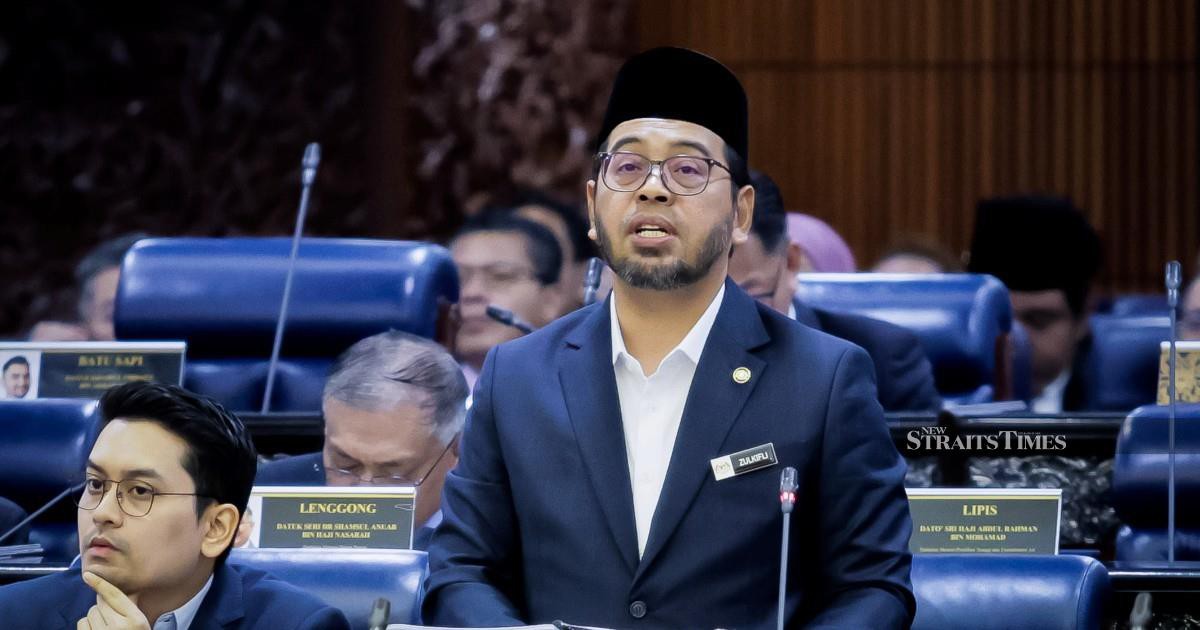
The Royal Commission of Inquiry's findings into Lembaga Tabung Haji have triggered coordinated enforcement action by Malaysia's law enforcement apparatus, signalling the authorities' readiness to pursue accountability measures stemming from the landmark investigation. Police and the Malaysian Anti-Corruption Commission have announced active investigations into the RCI report, which examined governance and operational failings at the Islamic pilgrimage fund manager. The parallel investigations underscore the severity with which authorities are treating the commission's findings, with multiple suspects now detained for questioning regarding their alleged roles in various misconduct incidents.
The detention of several individuals marks a critical juncture in the Tabung Haji saga, which has drawn considerable public attention following revelations of significant losses and investment decisions that alarmed stakeholders and policymakers alike. These individuals are being questioned in connection with conduct alleged in the RCI's comprehensive examination of the institution's management. The nature and scope of the investigations suggest that authorities are pursuing multiple lines of inquiry simultaneously, potentially spanning governance violations, financial irregularities, and accountability breaches.
Tabung Haji, which manages savings for Malaysian Muslims intending to perform the pilgrimage to Mecca, holds considerable social and religious significance within the Malaysian Muslim community. The institution's governance failures consequently carry broader implications beyond financial losses, affecting public trust in state-managed religious institutions. The RCI's investigation preceded the current enforcement phase, having examined operational failures over an extended period and compiled detailed findings on institutional weaknesses and individual accountability issues.
The Malaysian Anti-Corruption Commission's involvement in the investigations highlights the commission's expanded mandate in examining high-profile institutional governance cases beyond conventional corruption frameworks. MACC's participation suggests that investigators are examining conduct potentially falling within anti-corruption statutes, potentially including abuse of authority or misuse of institutional resources. This represents the anti-corruption authority's willingness to pursue complex institutional misconduct cases where financial management failures intersect with governance breaches.
Police investigations into the RCI findings represent the criminal investigation component of the enforcement response, potentially pursuing charges under the Penal Code or other relevant criminal statutes. The detention of suspects indicates that investigators have identified sufficient grounds to require custodial questioning, suggesting they are building substantive cases based on evidence collated from the RCI process and their own investigative work. The coordination between police and MACC reflects established inter-agency protocols for handling complex cases involving institutional misconduct.
For Malaysian stakeholders, particularly individuals who contribute to Tabung Haji schemes, the investigations signal that governance failures have concrete consequences within the legal system. The enforcement action may partially address public concerns regarding accountability for institutional decisions that contributed to significant member losses. However, the broader question of whether enforcement measures can adequately address systemic governance weaknesses remains contingent on investigative outcomes and any subsequent prosecutions.
The Tabung Haji situation carries implications for broader governance standards within state-linked institutions across Malaysia's institutional landscape. Regulatory oversight frameworks and institutional governance practices at similar entities may come under renewed scrutiny following high-profile failures and subsequent enforcement responses. Policymakers may consider whether existing governance mechanisms across state-linked institutions provide adequate safeguards against the types of decision-making failures documented in the RCI report.
Regionally, Malaysia's response to institutional misconduct at major state institutions forms part of broader Southeast Asian trends in governance accountability. The engagement of dedicated anti-corruption authorities and criminal investigation agencies demonstrates institutional capacity for pursuing complex cases, though regional observers often note variable outcomes across different jurisdictions and case types. Malaysia's approach reflects evolving expectations around institutional accountability within a region where governance standards remain subject to continued development.
The investigation timeline and eventual prosecutorial outcomes remain unclear, though the detention of multiple individuals suggests authorities anticipate moving relatively swiftly through investigative phases. The nature of any charges eventually filed will shape broader implications for institutional governance standards and enforcement precedents. These developments will be closely monitored by Tabung Haji contributors, governance advocates, and observers tracking accountability responses to institutional failures within Southeast Asia's financial and religious institutions.

