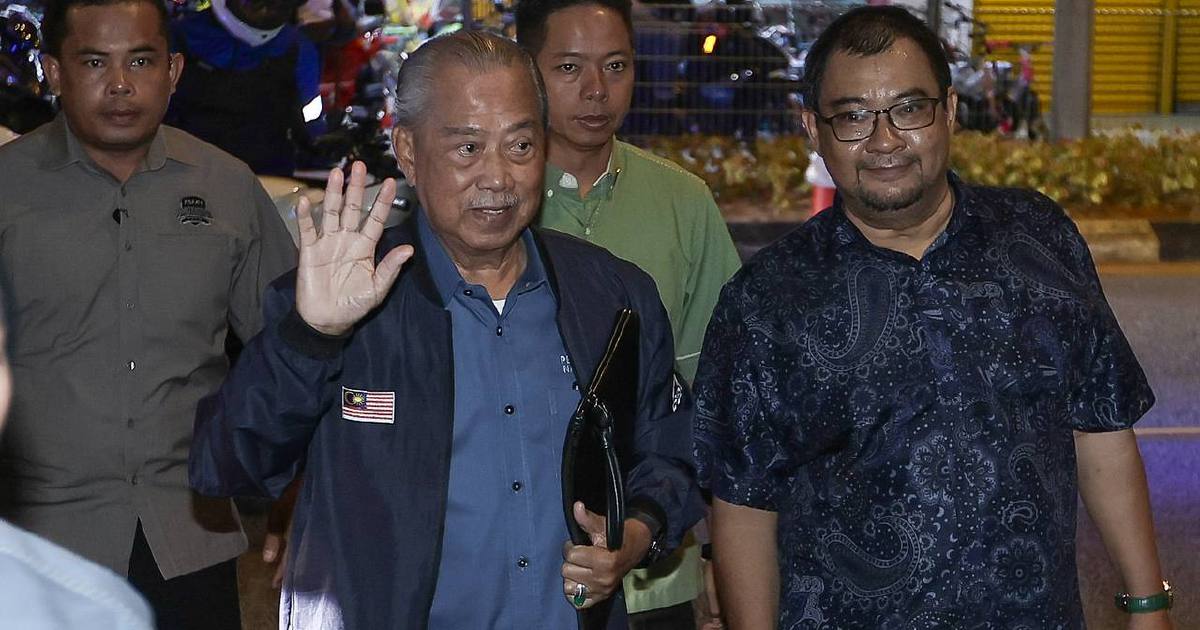
Perikatan Nasional held an emergency Supreme Council meeting in Kuala Lumpur that prioritised broader coalition management and the prospect of welcoming fresh political partners, but strategically circumvented any substantive debate regarding Bersatu's controversial status within the opposition configuration. The deliberate omission signals heightened sensitivity around the party's standing at a time when internal pressures and external speculation about coalition stability have intensified.
The timing of the emergency session proved noteworthy given the escalating political tensions that have characterised recent weeks across Malaysia's opposition landscape. Rather than confronting the elephant in the room, the PN leadership channelled discussion toward forward-looking initiatives, suggesting an organisational preference for deflection over direct engagement with divisive internal grievances. This approach reflects the delicate equilibrium required to maintain coalition cohesion when member parties hold competing interests and harbour unresolved tensions.
Bersatu's position within PN has remained a contentious element of opposition politics since the coalition's formation. The party's membership trajectory and voting behaviour within the bloc have occasionally raised questions about its commitment to joint strategic objectives. By excluding Bersatu matters from tonight's formal agenda, PN leadership appeared intent on preventing the emergency meeting from becoming a forum for grievances that might fracture existing alliances or trigger recriminations.
The focus on potential new membership suggests PN strategists believe that coalition expansion offers a more productive path than internal consolidation. Recruiting additional political partners could theoretically strengthen numerical capacity in parliament and broaden the opposition's demographic and geographic reach. However, this expansionist logic carries inherent risks, particularly if recruitment dilutes ideological coherence or introduces fresh complications that overshadow existing structural problems.
For Malaysian observers following opposition dynamics, the council's agenda choices communicate important signals about institutional priorities and leadership preferences. Emergency meetings typically indicate crisis management or urgent strategic recalibration. The fact that PN summoned a formal gathering but subsequently avoided its most contentious internal matter suggests calculated damage control rather than genuine crisis resolution. This pattern has become recognisable across Malaysian political coalitions when factions wish to maintain public unity while sidestepping thorny bilateral disputes.
The decision to emphasise coalition matters broadly rather than Bersatu specifically reflects sophistication in political choreography. By framing the meeting around general membership and partnership questions, PN leadership created rhetorical space to discuss expansion possibilities without explicitly validating or challenging Bersatu's continued participation. This ambiguity, while potentially frustrating for those seeking clarity, provides operational flexibility as political circumstances evolve.
Bersatu's trajectory within opposition politics carries particular significance for Southeast Asian coalition dynamics. The party's previous alignment with the federal government, followed by repositioning within the opposition, has generated persistent questions about its fundamental strategic orientation. Whether PN's silence tonight reflects confidence in Bersatu's loyalty or caution about appearing to confront a volatile coalition member remains an open question that political analysts will scrutinise.
The emphasis on welcoming new partners also suggests PN strategists may view coalition expansion as more achievable than resolving internal frictions. Malaysian political history demonstrates that introducing fresh voices occasionally helps defuse existing tensions by shifting focus toward shared external objectives. However, this tactic succeeds only when new members enhance rather than complicate coalition governance.
For Malaysian voters and observers assessing opposition credibility, tonight's meeting underscores broader questions about coalition functionality. Opposition blocs operate most effectively when they address internal disagreements transparently and construct mechanisms for managing competing interests. The apparent preference for sidelining Bersatu discussions, regardless of underlying justification, may reinforce public perceptions that PN prioritises superficial unity over substantive institutional reform.
The council's deliberate avoidance of Bersatu-specific topics also reflects awareness that such discussions carry reputational implications across regional political networks. Opposition coalitions in Southeast Asia operate within audiences that extend beyond parliament, encompassing international observers, civil society organisations, and neighbouring governments. Contentious internal disputes risk projecting weakness at precisely the moment when opposition blocs require maximum credibility.
Looking forward, the decision to defer Bersatu discussions likely indicates that PN leadership intends to manage these matters through bilateral engagement rather than collective forums. This approach offers discretion but sacrifices the legitimacy that transparent institutional processes provide. As Malaysian political competition intensifies, opposition coalitions will face growing pressure to demonstrate that they possess governance capacity extending beyond mere parliamentary numbers.
The emergency meeting's outcome reflects contemporary Malaysian opposition politics in miniature: organisations nominally committed to shared objectives, yet constrained by divergent interests, historical grievances, and strategic uncertainties. Whether tonight's meeting represented prudent crisis management or deferred reckoning remains to be determined as political circumstances continue evolving across Malaysia's increasingly complex opposition landscape.