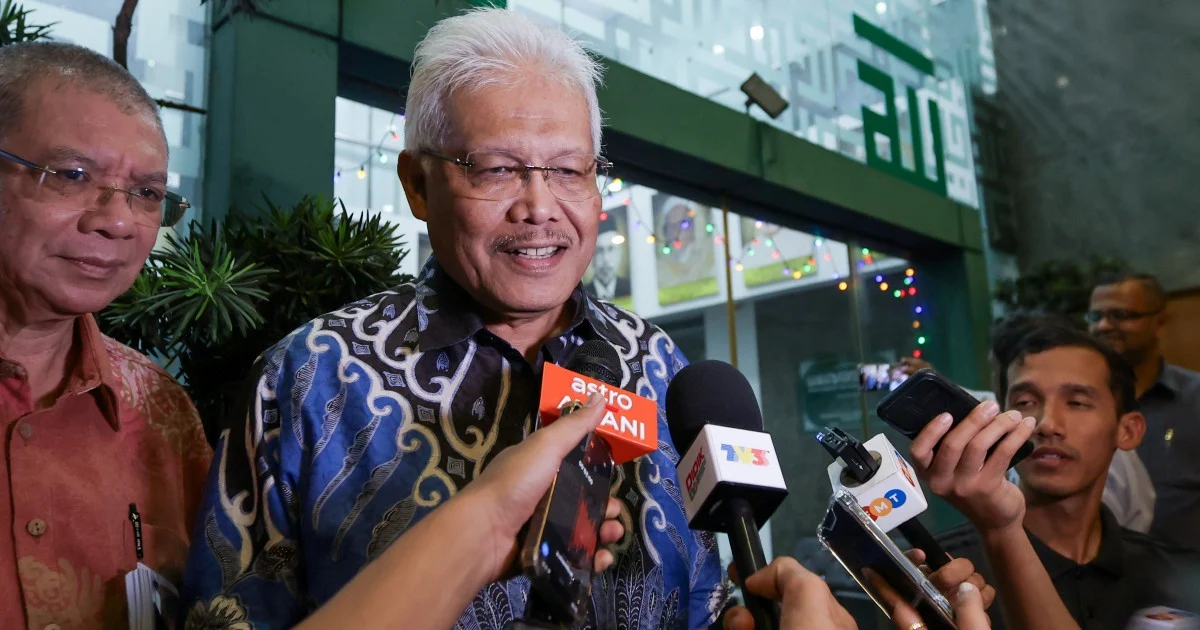
Datuk Seri Takiyuddin Hassan, serving as chief whip for Perikatan Nasional, has formally lodged the necessary documentation with the Dewan Rakyat Speaker's office confirming the reappointment of Datuk Seri Hamzah Zainudin to his position as parliamentary opposition leader. This procedural step marks the official completion of PN's internal decision to restore Hamzah to the leadership role within the opposition bloc in Parliament.
The submission of the notification fulfils a constitutional requirement that must be observed whenever changes occur in the opposition leadership structure. The Speaker's office, as the custodian of parliamentary procedures and records, maintains official notice of such appointments and changes to ensure transparent governance and proper documentation of the lower house's institutional framework. The formal nature of this notification underscores the significance of the opposition leadership position within Malaysia's parliamentary system.
Hamzah Zainudin's reappointment signals a consolidation of Perikatan Nasional's parliamentary strategy following what observers believe was an internal reassessment of leadership priorities. As opposition leader, Hamzah carries responsibility for coordinating the bloc's legislative activities, managing parliamentary debates, and serving as the primary interface between the opposition and the government on matters requiring formal parliamentary engagement. The role carries considerable symbolic weight within Malaysia's Westminster-influenced system of governance.
Perikatan Nasional, which comprises Bersatu, PAS, and their respective coalition partners, has maintained consistent opposition status since the 2022 general election. The bloc's positioning as the principal opposition force requires effective coordination and unified messaging on key policy matters, ranging from economic governance to constitutional issues. Hamzah's leadership in this capacity directly affects how the coalition presents alternatives to government policy and mobilises parliamentary scrutiny of executive decisions.
The timing of this formal notification may reflect ongoing political consolidation within opposition ranks during a period of significant national economic and social developments. Malaysia's political landscape has witnessed considerable shifts since the last general election, with various coalitions adjusting their internal structures to strengthen parliamentary effectiveness. PN's decision to reaffirm Hamzah's leadership suggests confidence in his ability to manage the complex dynamics of maintaining coalition cohesion while simultaneously preparing for eventual electoral contests.
For Malaysia's parliamentary system, the opposition leader position carries institutional importance beyond mere symbolic value. The office provides structured access to parliamentary business, priority speaking time during debates, and formal recognition of a shadow government structure that can articulate comprehensive policy alternatives. This institutional framework, inherited from Westminster tradition, enables opposition forces to maintain systematic scrutiny and accountability mechanisms against the government throughout parliamentary sittings.
Hamzah's experience in previous government positions and parliamentary roles positions him to navigate the technical and political complexities inherent in leading a multi-party coalition. Opposition leadership demands diplomatic skill in managing diverse political interests, maintaining message discipline across constituent parties, and projecting credible governance capacity to the electorate. These responsibilities become increasingly complex when opposition coalitions contain parties with differing ideological orientations and policy priorities.
The formal notification process also demonstrates Malaysia's adherence to institutional procedures and documented governance structures. Unlike informal political arrangements, the parliamentary record of leadership changes ensures transparency and creates an official baseline for parliamentary operations. This procedural dimension reflects the broader framework of institutional checks and balances that, despite occasional political tensions, continues to anchor Malaysia's democratic functioning.
Observers note that this development occurs within a broader context of opposition coalition management following the 2022 election results. Perikatan Nasional emerged as a significant parliamentary force, yet governance dynamics have continued evolving as various political actors adjust strategies and priorities. The reappointment of experienced leadership suggests PN's assessment that consolidation and clarity of direction serve the coalition's interests more effectively than continued internal competition for the opposition leader role.
Looking forward, Hamzah's confirmed leadership of the parliamentary opposition will shape how PN engages with government initiatives across legislative sessions. His ability to coordinate opposition responses to budgets, constitutional amendments, and other major legislative measures will influence the quality of parliamentary debate and the effectiveness of institutional checks on executive authority. For Malaysian readers, this development underscores the ongoing importance of opposition functions within the country's democratic architecture, regardless of which parties occupy which positions.

