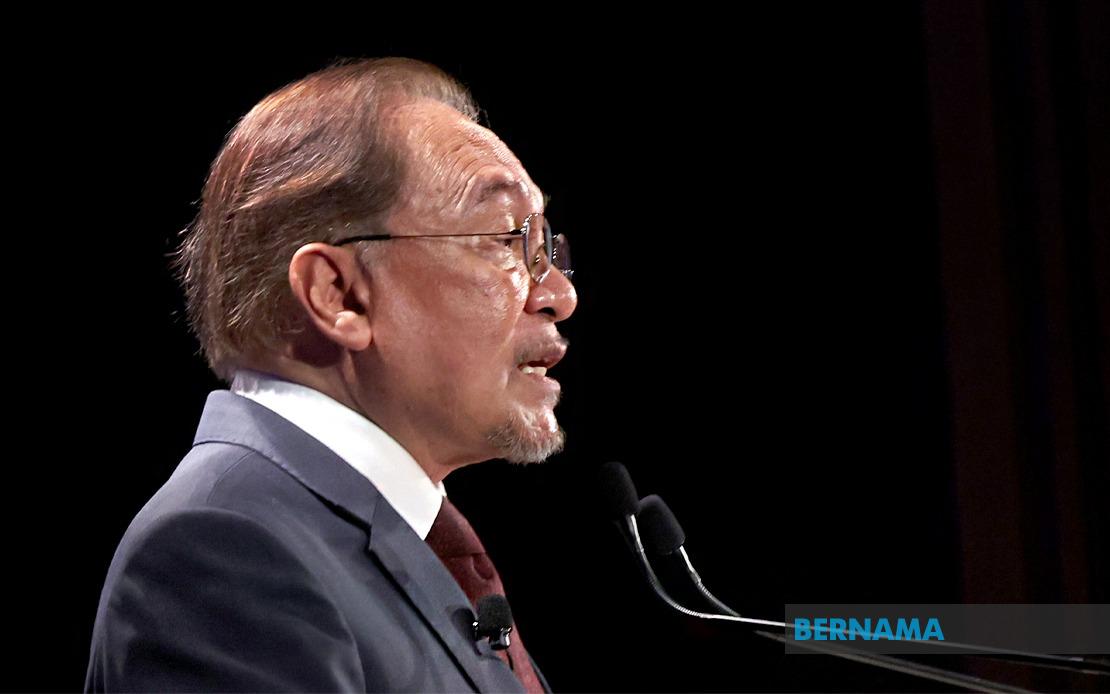
Prime Minister Datuk Seri Anwar Ibrahim's final day in Turkmenistan on June 19 is structured around substantive diplomatic engagement that reflects Malaysia's strategic interest in deepening ties with Central Asia's resource-rich nations. The itinerary demonstrates the government's methodical approach to bilateral relations, combining ceremonial protocols with substantive negotiations on economic cooperation across multiple sectors.
The day begins with formal protocol at the Presidential Palace, where Turkmenistan President Serdar Berdimuhamedov will extend an official welcome to the Malaysian delegation. A one-on-one meeting between the two leaders precedes expanded bilateral discussions, establishing the personal rapport essential for advancing mutual interests. This sequence allows both sides to address overarching strategic priorities before moving into detailed sectoral discussions. For Malaysia, such engagements serve to reinforce its position as a reliable diplomatic partner in the broader Asian context, particularly as Southeast Asia navigates its relationship with Central Asian states.
The bilateral meeting will encompass wide-ranging discussions on advancing Malaysia-Turkmenistan cooperation across multiple dimensions. Trade and investment form the foundation of these conversations, with both nations seeking to expand commercial relationships. The energy sector looms particularly large, given Turkmenistan's significant hydrocarbon reserves and Malaysia's energy security requirements. Agricultural and commodity trade partnerships offer complementary opportunities, allowing Malaysian agricultural exports to reach Central Asian markets whilst securing access to Turkmenistan's natural resources. Tourism, education, digital infrastructure, and scientific collaboration round out the agenda, reflecting a comprehensive modernisation agenda that extends beyond traditional resource extraction.
Regional and international matters of mutual concern will also feature prominently, particularly developments within ASEAN and Central Asia. From Malaysia's perspective, these discussions afford an opportunity to articulate Southeast Asian perspectives to a Central Asian counterpart, fostering greater understanding between the two regions. Turkmenistan's strategic position bordering Kazakhstan, Uzbekistan, Afghanistan, Iran, and the Caspian Sea makes it a pivotal player in Central Asian geopolitics. Malaysian diplomacy benefits from engaging such nodes of regional influence, strengthening Malaysia's voice on matters affecting broader Asian stability and prosperity.
The exchange of agreements and memoranda of understanding represents the tangible outcome of these discussions. An Air Services Agreement will facilitate greater connectivity between Malaysia and Turkmenistan, reducing travel friction and enabling stronger people-to-people exchanges. A memorandum of understanding between Malaysia's foreign affairs institute and Turkmenistan's equivalent will institutionalise diplomatic dialogue, creating platforms for sustained engagement beyond official visits. Transport agreements between the Ministry of Transport and Turkmenistan's State Service address logistics and supply chain efficiency. Collaboration between the Academy of Sciences Malaysia and the Academy of Sciences of Turkmenistan positions both nations to benefit from shared research capabilities and technological advancement.
Oil and gas agreements warrant particular attention, reflecting Petronas's substantial role in Turkmenistan's energy sector. The Malaysian national oil company has invested RM52.73 billion in Turkmenistan since 1996, making it one of Malaysia's most significant foreign direct investments. These new agreements likely extend or expand existing petroleum concessions, secure resource access, and potentially enhance development partnerships. For Malaysia, such engagements provide energy security and revenue generation; for Turkmenistan, they represent continued capital inflow and technical expertise transfer.
The formal agenda concludes with ceremonial elements that reinforce diplomatic bonds. A presidential luncheon provides an intimate setting for relationship-building away from formal proceedings. The prime minister's attendance at Friday prayers at the Turkmenbashi Ruhy Mosque demonstrates respect for local culture and Islamic heritage, important symbolism in Malaysia's engagement with Muslim-majority nations. These cultural observances, whilst ceremonial, communicate respect and understanding that underpin effective long-term diplomatic relationships.
The Malaysia-Turkmenistan Forum, jointly officiated by both leaders at the Chamber of Commerce and Industry of Turkmenistan, shifts focus toward business and investment communities. This platform enables Malaysian entrepreneurs and investors to explore opportunities in Turkmenistan, whilst Turkmenistan's business sector gains exposure to Malaysian markets and expertise. Participating industries likely span finance, energy, construction, technology, and commodities—sectors where Malaysia maintains competitive advantage. Such forums often generate investment memoranda and business partnerships that extend engagement far beyond government-to-government relations.
Ashgabat, Turkmenistan's capital, commands attention as a distinctive architectural phenomenon. Holding the Guinness World Record for the highest concentration of white marble-clad buildings—exceeding 500 structures—the city presents an unusual urban landscape of monumental proportions. This distinctive character reflects Turkmenistan's approach to nation-building and modernisation. For Malaysian observers, the city's architectural ambition parallels Malaysia's own urban development aspirations, offering points of comparison in urban planning and architectural philosophy.
Turkmenistan's geopolitical position warrants understanding by Malaysian policymakers. Bordered by Kazakhstan, Uzbekistan, Afghanistan, Iran, and the Caspian Sea, the nation sits at the intersection of Central Asian, South Asian, and Middle Eastern spheres of influence. Its location along traditional trade routes connecting East and West positions it strategically for Malaysia's broader regional engagement. The Caspian Sea, the world's largest landlocked body of water, serves as both a resource frontier and potential transportation corridor, with implications for international trade flows and energy security.
Malaysia-Turkmenistan trade relations have grown meaningfully, with 2025 data showing Turkmenistan ranking as Malaysia's fourth largest trading partner among Central Asian nations. Total bilateral trade reached RM75.80 million, with Malaysian exports valued at RM75.50 million—representing a nine percent increase year-on-year. Whilst these figures remain modest compared to Malaysia's major trading partners, the growth trajectory indicates strengthening commercial relationships. The trade composition, heavily weighted toward Malaysian exports, suggests opportunities for greater imports from Turkmenistan, potentially including energy products and raw materials. Diversifying this trade structure represents a medium-term objective for both governments.
Petronas's dominant investment presence in Turkmenistan underscores Malaysia's resource security strategy. The RM52.73 billion investment since 1996 represents Malaysia's long-term commitment to the country's energy sector development. These substantial commitments create employment, transfer technical knowledge, and generate revenue streams supporting Malaysia's economic growth. Petronas's continued operations provide leverage in bilateral discussions, positioning energy cooperation as mutually beneficial rather than extractive.
The accompanying delegation composition reflects the visit's multifaceted nature. Minister of Investment, Trade and Industry Datuk Seri Johari Abdul Ghani and Minister of Economy Akmal Nasrullah Mohd Nasir bring sector-specific expertise to negotiations. Officials from the Prime Minister's Office and Foreign Ministry ensure institutional continuity and coordination across government agencies. This structure maximises effectiveness across economic, diplomatic, and strategic dimensions, enabling comprehensive negotiation and agreement-drafting.
The prime minister's press conference with Malaysian media concludes the visit by communicating outcomes to domestic audiences and the Malaysian investment community. Such sessions typically highlight achievements, announce new initiatives, and contextualise engagement within Malaysia's broader foreign policy framework. For Malaysian businesses and investors, press conferences provide signals regarding government priorities and potential opportunities in target markets.

