Prime Minister Datuk Seri Anwar Ibrahim has publicly rebuked opposition parliamentarians for what he characterizes as an attempt to exploit the Tabung Haji controversy for political gain, arguing that sustained focus on institutional accountability should take precedence over partisan point-scoring. Speaking through a Facebook statement, Anwar rejected what he termed "political drama" surrounding the Islamic pilgrimage savings fund, contending that genuine concern for depositors and institutional integrity should guide parliamentary discourse rather than theatrical opposition tactics designed to embarrass the government.
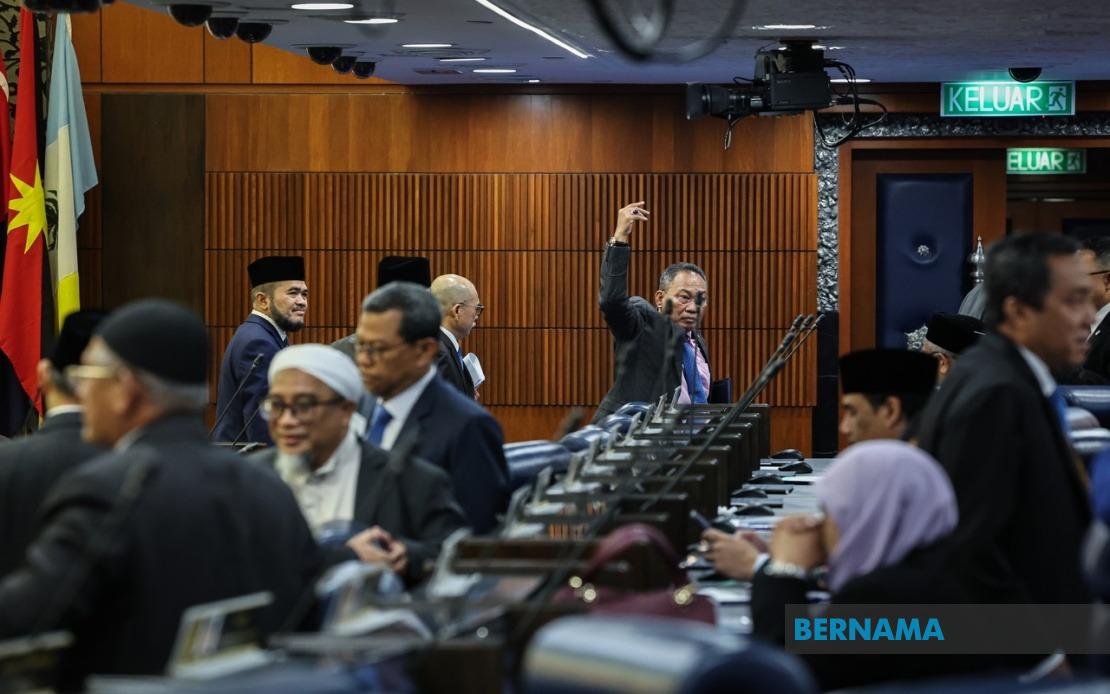
The catalyst for Anwar's remarks was the walkout staged by multiple Opposition MPs during a special parliamentary sitting convened to address findings from the Tabung Haji Royal Commission of Inquiry. These lawmakers departed the Dewan Rakyat in protest against Speaker Tan Sri Johari Abdul's decision to proceed with ministerial briefings despite the Prime Minister's absence and rejection of a motion by Perikatan Nasional Chief Whip Datuk Seri Takiyuddin Hassan to postpone proceedings. The absence was necessitated by Anwar's ongoing physiotherapy recovery following an elective surgical procedure to address a para-umbilical hernia, a medical obligation he prioritized over parliamentary attendance.
Central to Anwar's counterattack is his framing of the Tabung Haji issue as fundamentally about betrayal of ordinary Malaysians rather than governmental performance. He pointedly questioned whether opposition figures genuinely cared about the welfare of hundreds of thousands of modest-income depositors—fishermen, farmers, educators, police officers, military personnel, and retirees—who have saved diligently within the institution to finance their hajj pilgrimage obligations. This rhetorical strategy repositions criticism as self-serving rather than principled, suggesting that opposition concerns mask political opportunism obscuring genuine institutional needs.
A significant dimension of Anwar's critique targets Perikatan Nasional's leadership, particularly the PAS-dominated coalition's purported indifference to socioeconomically vulnerable depositors. By questioning whether PN leadership genuinely prioritizes the interests of ordinary Muslim Malaysians, Anwar implicitly challenges the coalition's claims to represent grassroots Malay-Muslim concerns. This line of attack leverages identity politics against the opposition itself, suggesting that PN's parliamentary conduct contradicts its electoral messaging about protecting communal interests.
The underlying dispute concerns the 211-page RCI report, publicly released on July 29, which documents systematic weaknesses in Tabung Haji's governance and operations spanning 2014 to 2020. The investigation identified 25 recommendations intended to strengthen institutional management and financial viability. According to official assessments, approximately 75 per cent of these recommendations had achieved implementation status by July 30, indicating meaningful albeit incomplete institutional reform. The government's establishment of the RCI in 2021, appointment of commissioners on January 20, 2022, and presentation of findings to Yang di-Pertuan Agong on August 30, 2022, represent systematic efforts to address accumulated governance failures.
The political context surrounding Tabung Haji's difficulties reflects deeper anxieties within the Muslim-majority electorate regarding institutional trustworthiness and financial security. The fund manages savings accumulated by millions of Malaysians over decades, representing not merely monetary assets but religious aspirations and personal sacrifice. Revelations regarding historical mismanagement therefore carry profound symbolic significance beyond conventional fiscal concerns, triggering heightened political sensitivity and intense parliamentary scrutiny across ideological divides.
The special parliamentary sitting itself underscores the gravity with which government circles treat institutional rehabilitation. Convening dedicated sessions to address RCI findings and implementation strategies signals governmental seriousness about restoring depositor confidence and demonstrating operational transparency. However, opposition boycott tactics suggest fundamental disagreement regarding either the adequacy of government responses or the sincerity of reform commitments, creating an impasse whereby legislative oversight becomes contested political theatre rather than collaborative institutional improvement.
For Malaysian readers and wider Southeast Asian observers, the Tabung Haji controversy illuminates persistent tensions between executive accountability and partisan opposition conduct within parliamentary democracies. Questions arise regarding whether legitimate institutional criticism can be effectively advanced when opposition parties pursue maximum political advantage, and conversely, whether governments can credibly claim reform commitment while opponents question implementation sincerity. The intersection of religious sentiment, economic security, and political competition renders the dispute particularly combustible within Malaysian society.
The implementation of remaining RCI recommendations represents the substantive challenge ahead. Addressing governance deficiencies, strengthening internal controls, improving financial management practices, and restoring depositor confidence collectively require sustained institutional attention beyond parliamentary rhetoric. Whether opposition engagement would meaningfully accelerate implementation or primarily serve electoral objectives remains contested, with Anwar's framing suggesting opposition participation is ultimately performative rather than constructively reformative.
Moving forward, the government faces the challenge of simultaneously demonstrating commitment to institutional transformation while managing ongoing political criticism. The Prime Minister's invocation of depositor interests—particularly vulnerable economic segments dependent upon reliable fund management—attempts to elevate the discourse beyond partisan calculation to ethical obligation. Whether this rhetorical strategy successfully reframes parliamentary debate or merely intensifies political polarization around the institution will significantly influence public confidence in both Tabung Haji's recovery trajectory and parliamentary institutions themselves.

