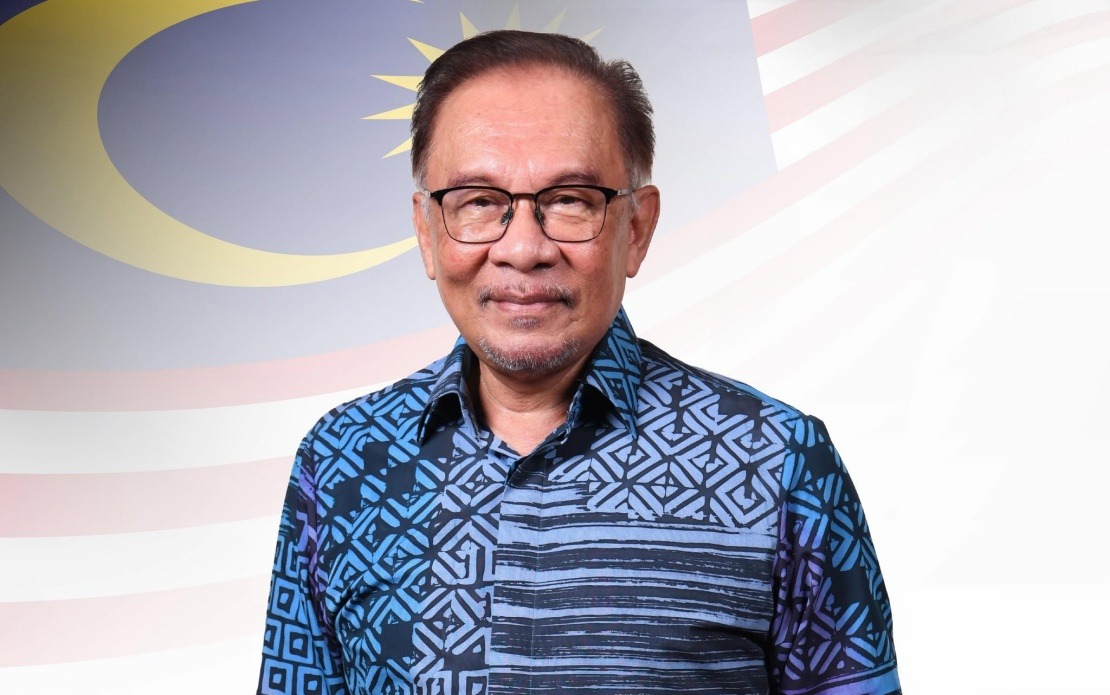
Prime Minister Datuk Seri Anwar Ibrahim has commenced a round of medical examinations and therapeutic procedures as recommended by a coordinated team of medical specialists. The announcement came through official channels on August 10, with the Prime Minister's office confirming that the health assessments represent a planned intervention designed to monitor and maintain his wellbeing.
Tunku Nashrul Abaidah, serving as the Prime Minister's Senior Press Secretary, disclosed that Anwar is anticipated to remain under clinical observation for a duration of two days as part of the prescribed treatment regimen. The statement emphasised that the examinations and procedures were underway with the involvement of medical professionals, suggesting a comprehensive approach to the Prime Minister's health management.
The brief official statement released by the Prime Minister's office maintained a measured tone regarding the ongoing medical intervention. Rather than providing detailed clinical information, the communication focused on procedural expectations and a projected timeline for the conclusion of the observation phase. This measured approach is consistent with how Malaysian government offices typically handle matters involving the health of senior political figures, balancing transparency with privacy considerations.
The statement concluded with an expression of hope that the medical procedures would proceed without complications and that the Prime Minister would recover to full capacity to discharge his constitutional duties. The invocation of Islamic prayers reflected the cultural context in which such statements are customarily framed in Malaysia, serving to reassure the public and demonstrate the Prime Minister's faith-centred perspective on his health matters.
For a nation dependent on stable leadership and clear succession planning, any temporary absence of the Prime Minister from his desk carries implications for government continuity. However, the two-day timeframe suggested in the official statement indicates that the intervention was not anticipated to disrupt the machinery of government significantly. Malaysia's administrative structures and cabinet system are designed to manage brief periods when the head of government requires medical attention.
The timing of such medical procedures, when disclosed to the public, can influence market sentiment and public confidence in governance. By promptly announcing the medical examinations and providing a clear expected duration, the Prime Minister's office attempted to preempt speculation and maintain institutional confidence. Transparency about the Prime Minister's health status, within appropriate boundaries, helps prevent rumours that could destabilise financial markets or create unnecessary political uncertainty.
Anwar Ibrahim's health has been a matter of periodic public interest throughout his political career, given his prominence in Malaysian politics spanning several decades. The current medical intervention falls within the normal scope of health maintenance that would be expected for any senior political leader, particularly given the intense demands and stress associated with the office of Prime Minister. Regular medical monitoring and preventative procedures are standard practice for heads of government across the region and globally.
The specialist-led approach to the Prime Minister's care reflects best practices in contemporary medical management, ensuring that his examination and treatment were conducted under the supervision of qualified medical professionals rather than through routine general practice. This multi-specialist coordination suggests a comprehensive evaluation across several potential health dimensions, though the specific nature of the procedures remained undisclosed in the public statement.
From a governance perspective, the organised and transparent communication about the Prime Minister's medical status demonstrates institutional preparedness for such situations. The coordination between the Prime Minister's office and medical professionals, followed by timely public communication through the press secretary, exemplifies standard protocols for managing such matters in democratic governments. This approach minimises room for misinformation or speculation that could undermine public confidence in leadership.
The expected resumption of duties within the two-day window suggests that the medical intervention was not indicative of serious underlying health concerns requiring extended recovery periods. Such brief medical assessments are often routine preventative measures or treatment of manageable health issues that do not substantially impair the ability to execute executive functions. The confidence expressed in the official statement that the Prime Minister would return to normal duties reinforced this interpretation.
Regionally, the health and continuity of national leaders carries significance beyond their own countries, given the interconnected nature of Southeast Asian politics, trade, and diplomacy. The stability suggested by this brief medical intervention and expected swift return to duty would reassure Malaysia's regional partners and trading partners that political and economic continuity would be maintained. For Malaysia's neighbours and international counterparts, such reassurance contributes to regional stability and confidence in ongoing bilateral relationships and regional cooperation initiatives.
The broader context of this medical announcement also underscores the demanding nature of Malaysia's highest political office. The Prime Minister's role encompasses extensive constitutional responsibilities, cabinet leadership, and representation of the nation at home and abroad. Ensuring the health and fitness of whoever holds this office remains a legitimate public concern, balanced against appropriate respect for personal privacy regarding specific medical details.

