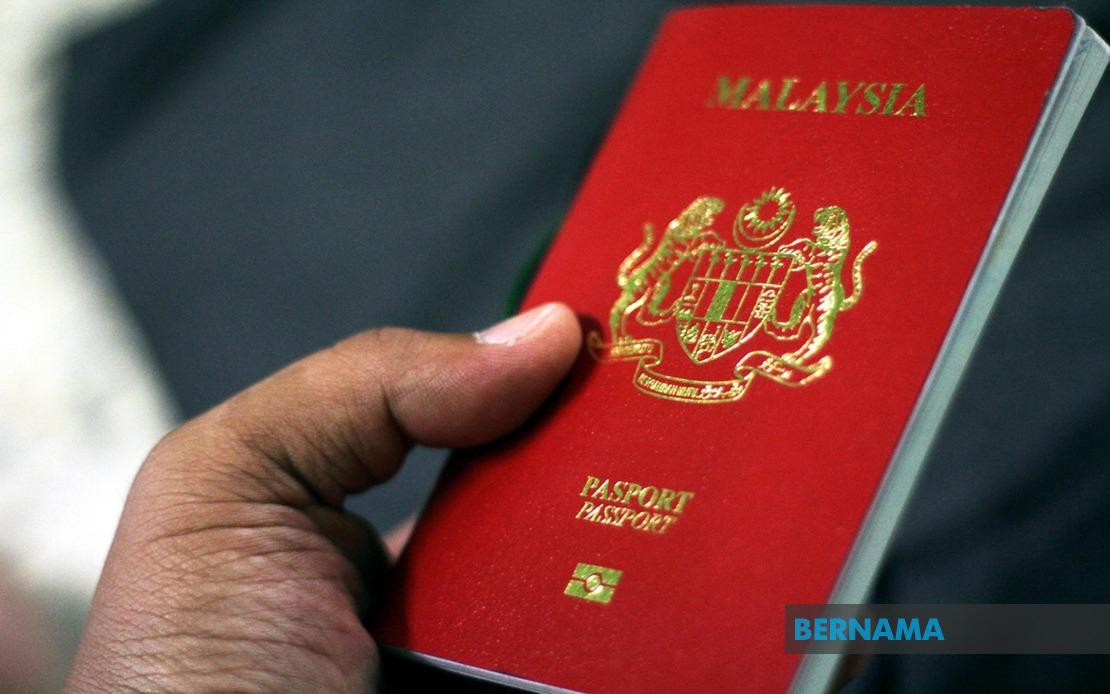
Prime Minister Datuk Seri Anwar Ibrahim will officially unveil Malaysia's redesigned International Passport at the Parliament lobby on Tuesday, marking a significant milestone in the country's efforts to safeguard its identity documents against evolving threats. The new travel document represents a substantial technological and security leap, incorporating nearly twice as many protective elements as the current iteration, underscoring the government's commitment to maintaining the integrity of Malaysia's passport system in an era of increasingly sophisticated document fraud.
The upgraded passport incorporates 94 distinct security features, a dramatic increase from the 49 features embedded in the existing version. This expansion reflects advancements in anti-counterfeiting technology and international best practices in document security. The comprehensive approach to protection acknowledges the reality that modern forgers employ increasingly sophisticated methods, making continuous innovation essential for any nation seeking to protect the integrity of its travel credentials. By nearly doubling the number of security mechanisms, Malaysia aims to create a document that remains virtually impossible to replicate convincingly.
Among the cutting-edge enhancements integrated into the new passport are sophisticated holographic elements that shift and change appearance depending on viewing angles, a feature that has become standard among the world's most secure travel documents. The design incorporates advanced ultraviolet printing technology that renders images and text visible only under specific wavelengths of light, creating a hidden layer of verification that immigration officials and border authorities can quickly authenticate. Additionally, the document includes concealed visual elements strategically positioned throughout the passport booklet, which remain invisible under normal circumstances but become apparent when exposed to proper inspection techniques.
Specialised forensic security features represent another dimension of the enhanced protection scheme. These microscopic and nanoscopic elements are designed for forensic examination, allowing trained specialists to verify authenticity through detailed analysis. The binding thread that holds the passport pages together has been substantially upgraded with integrated security measures, making any attempt to remove or replace pages immediately detectable. Furthermore, each individual page within the new passport features a distinctive and unique layout, preventing blank page fraud and ensuring that any replacement page would be immediately apparent to inspectors.
This initiative forms part of a broader government modernisation programme announced earlier this year by Home Minister Datuk Seri Saifuddin Nasution Ismail. Beyond the passport redesign, Malaysia is simultaneously upgrading the MyKad national identity card, indicating a comprehensive approach to strengthening data security across multiple document types. The synchronised rollout suggests that the government recognises the interconnected nature of identity document systems and the importance of maintaining consistent security standards across different forms of official credentials.
Malaysia's standing in global passport rankings provides important context for understanding the significance of this upgrade. The Malaysian International Passport currently ranks as the world's third most powerful passport according to the Passport Index, a distinction that reflects the extensive visa-free and visa-on-arrival access available to Malaysian citizens across international borders. This elevated ranking carries both prestige and responsibility, as a powerful passport becomes an attractive target for forgers and those seeking to misuse travel credentials. Maintaining the security of such a highly valued document requires continuous investment in technological improvements.
The timing of this launch reflects the government's recognition that security threats evolve constantly. What was considered state-of-the-art protection five or ten years ago may prove inadequate against contemporary counterfeiting techniques. By proactively redesigning the passport with substantially enhanced features, Malaysia positions itself ahead of potential security challenges rather than reactively addressing problems after they emerge. This forward-thinking approach helps protect both Malaysian citizens and the international community by reducing the circulation of fraudulent Malaysian travel documents.
For Malaysian citizens, the introduction of the new passport will eventually necessitate renewal processes, though existing passports will likely remain valid until their scheduled expiration dates. The rollout strategy and timelines for transitioning to the new design will be important considerations for the millions of Malaysians who hold current passports. The government will need to communicate clearly about renewal procedures and any associated costs to ensure smooth adoption of the new document.
Beyond domestic implications, the upgraded passport has broader regional significance. Southeast Asia has experienced challenges with document fraud and identity-related crimes, making security improvements in any nation's travel documents beneficial to the entire region. When one country strengthens its document security, it reduces opportunities for criminals operating across borders and makes regional travel safer for all citizens. Malaysia's investment in passport security therefore contributes to regional stability and security cooperation.
The diplomatic and economic dimensions of passport security merit consideration as well. A highly secure passport enhances Malaysia's reputation internationally and reinforces confidence in the country's administrative systems. For Malaysian business travellers, officials, and citizens engaging in international activities, a universally recognised secure passport facilitates smoother border crossings and reduces suspicion or additional scrutiny. This efficiency translates into tangible benefits for commerce, tourism, and diplomatic relations.
The launch ceremony at Parliament serves as an appropriate venue for highlighting the significance of this development, positioning the passport redesign as a matter of national importance rather than a routine administrative update. The location underscores that identity document security represents a governance priority at the highest levels of the Malaysian government. This symbolic emphasis helps communicate to both domestic and international audiences that Malaysia takes document integrity seriously and continues investing in protecting its citizens' travel credentials.

