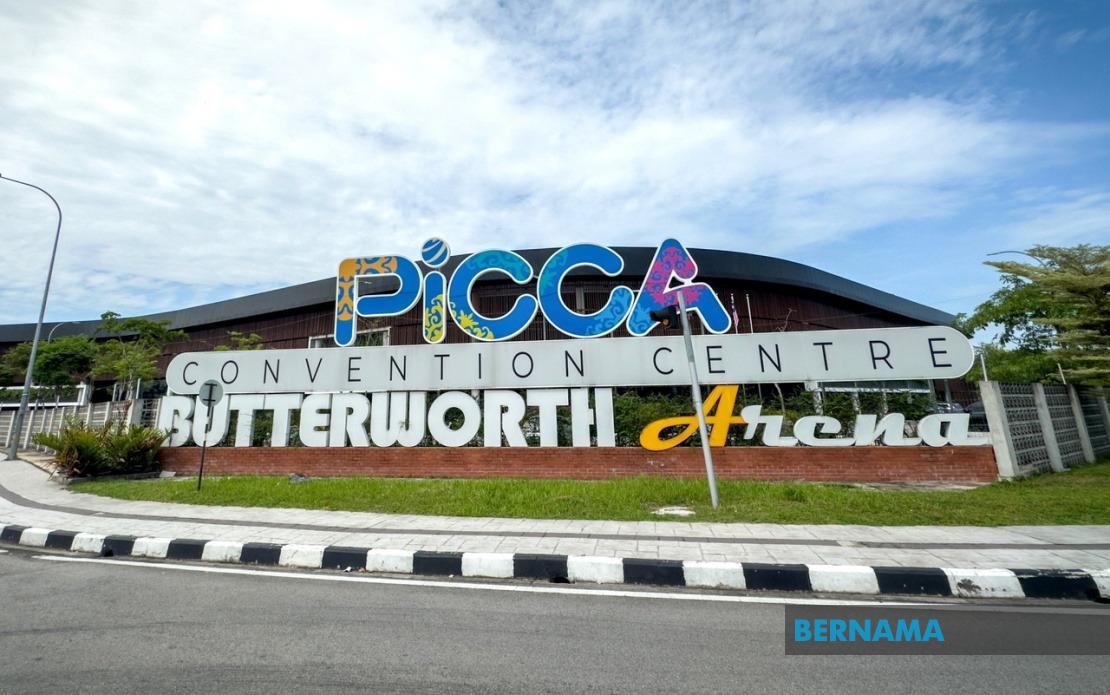
The sixth edition of Malaysia's National Journalists' Day (HAWANA) reaches its climax today with a major gathering at the PICCA@Arena Butterworth Convention Centre, drawing together roughly 1,000 journalists and media practitioners from across Malaysia and abroad. The ceremony, which will unfold under the thematic umbrella of 'Media Integrity Strengthens Credibility', represents a significant moment for reflecting on the role of journalism in shaping public discourse and maintaining trust in information ecosystems.
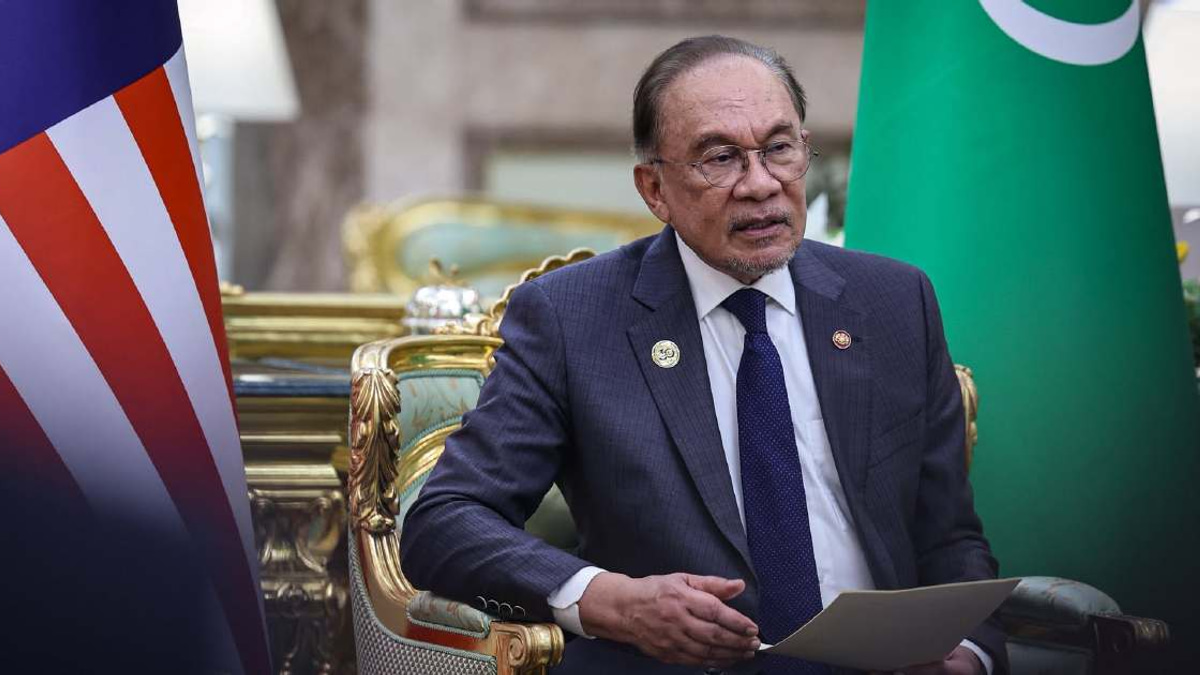
Prime Minister Datuk Seri Anwar Ibrahim will take the ceremonial lead by officially opening proceedings at 3 pm, underscoring the government's commitment to recognizing media contributions to national development. His presence signals the political significance attached to the journalism sector at the highest levels of governance. The Prime Minister will preside over the presentation of coveted HAWANA Awards and Special HAWANA Awards, honouring individuals whose journalistic work and influence have meaningfully shaped public understanding and national conversation. Additionally, Tabung Kasih@HAWANA contributions will be distributed to media veterans facing financial hardship, demonstrating institutional support for those who have spent careers serving the profession.
Joining the Prime Minister will be Penang Chief Minister Chow Kon Yeow and Communications Minister Datuk Fahmi Fadzil, alongside senior government officials and executives from Malaysia's leading news organizations. The participation of Bernama Chairman Datuk Seri Wong Chun Wai and Chief Executive Officer Datin Paduka Nur-ul Afida Kamaludin reflects the news agency's pivotal role in coordinating the commemoration. This gathering of political and media leadership demonstrates the interconnected relationship between government bodies and the journalism sector in Malaysia's information landscape.
What distinguishes this year's celebration is the substantial international dimension. Delegations from Indonesia's Antara News Agency, Vietnam News Agency (VNA), and China's Xinhua News Agency will participate, alongside professional associations including the Indonesian Journalists Association and the Malaysia-Indonesia Journalists Friendship Association (ISWAMI). This cross-border participation reveals how regional media communities increasingly recognize shared challenges and professional standards, fostering dialogue on journalism excellence across Southeast Asia. For Malaysian editors and reporters, exposure to international counterparts offers opportunities for professional exchange and benchmarking practices against global journalistic standards.
Beyond the formal proceedings, festivities have expanded through the three-day RIUH Pi HAWANA Carnival, currently running at the PICCA Convention Centre parking area. The carnival transforms what might otherwise be an institutional ceremony into a public celebration, featuring performances by prominent Malaysian artists including Exists, Bunkface, Masdo, Sakura Band, Budak Nakal Hujung Simpang, and Chelsea Ng. This entertainment dimension broadens HAWANA's appeal beyond the media industry itself, inviting general public engagement with journalism as a profession worthy of celebration and respect.
The carnival marketplace reflects the broader media ecosystem, hosting more than 24 creative product vendors and 20 food and beverage outlets, while simultaneously offering interactive workshops. This blend of commerce, entertainment, and educational content demonstrates how modern professional commemorations integrate multiple engagement formats. For journalists attending from across the peninsula, the carnival provides informal networking opportunities and direct contact with media industry vendors supplying everything from specialized equipment to digital tools.
The lead-up to today's finale has involved several structured programmes strategically spaced throughout the preceding weeks. The HAWANA 2026 Media Forum on May 7 created space for substantive professional discussion, while the Strategic Partners Engagement Event on June 4 brought together stakeholders from across the sector. The HAWANA 2026 Fun Walk on June 14 mobilized both media practitioners and interested members of the public, embedding journalism recognition within community participation. These preliminary events build momentum toward today's culmination, establishing HAWANA 2026 as a sustained campaign rather than a single ceremonial moment.
Annually commemorated on May 29, HAWANA's date honours the publication of the first Utusan Melayu newspaper edition on that date in 1939, a historical marker that anchors contemporary media celebrations in Malaysia's journalistic heritage. This connection between present-day ceremonies and early twentieth-century journalism milestones provides Malaysian media practitioners with a sense of professional continuity and historical significance. The recognition that modern journalism stands within a lineage extending back over eight decades reinforces professional identity and institutional memory.
Organized under the Ministry of Communications with Bernama as the implementing agency, HAWANA has emerged as the primary vehicle through which Malaysia formally acknowledges journalism's role in information dissemination and nation-building. The award programme specifically recognizes individuals whose work exemplifies dedication to professional standards, accuracy verification, and the authoritative communication of information. In an era of digital disruption and information fragmentation, this institutional affirmation of accuracy and professionalism carries particular weight for journalists navigating pressures toward sensationalism and speed over substance.
The overarching theme of 'Media Integrity Strengthens Credibility' directly addresses contemporary challenges facing journalism globally and within Malaysia specifically. As public trust in media institutions faces scrutiny from various quarters, and as misinformation and disinformation proliferate across digital platforms, this year's emphasis on integrity signals the sector's commitment to reaffirming foundational professional values. For Malaysian newsrooms, the theme provides a focal point for internal reflection on editorial standards, source verification procedures, and institutional accountability mechanisms.
The participation of international media delegations and professional associations introduces comparative dimensions that may influence how Malaysian journalism institutions benchmark their own practices. Vietnam and Indonesia, as major Southeast Asian media markets with their own challenges around editorial independence and professional standards, offer relevant reference points. These dialogues often occur informally at ceremonies such as today's, with conversations over meals and between sessions potentially yielding useful professional insights and cross-border understanding.
For the broader Malaysian media landscape, HAWANA 2026's scale and government support acknowledge journalism's essential democratic function at a moment when the sector faces economic pressures from digital disruption and shifting advertising markets. The public carnival component and media awards create visibility for the profession among audiences who may take journalism for granted. By celebrating media practitioners and their contributions, HAWANA reinforces the proposition that quality journalism requires professional dedication and institutional support, messages particularly relevant as newsroom budgets tighten across the region.