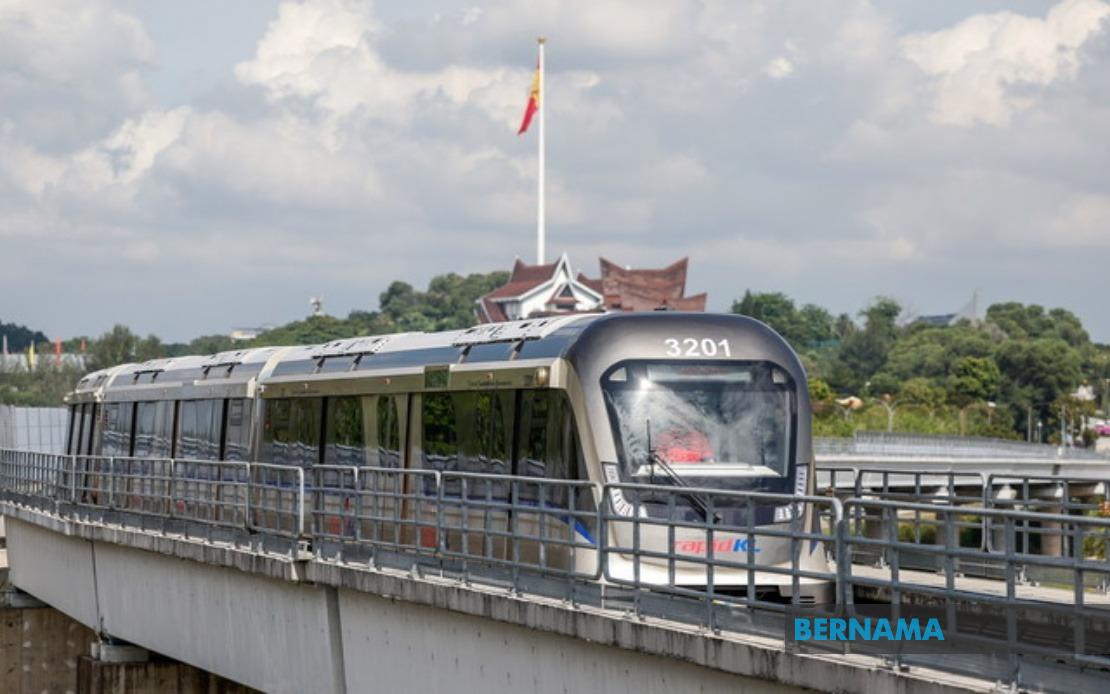
Prime Minister Datuk Seri Anwar Ibrahim will preside over the official launch of the LRT3 Shah Alam Line on Sunday, June 28, marking a significant milestone in Malaysia's public transport infrastructure. The 37.8-kilometre rail corridor, which extends from Bandar Utama to Johan Setia, has completed construction and stands ready to serve commuters across the Klang Valley region.
According to Shah Alam line chief Mohd Ariffin Idris, the comprehensive 20-station network will serve an estimated two million residents living along its route. During the launch ceremony, the Prime Minister is expected to announce the official commercial opening date and operating hours for passenger services. The announcement comes after months of testing and preparation to ensure the system meets safety and operational standards before welcoming the public.
The new rail line encompasses a diverse array of stations strategically positioned across key locations. The northern segment connects Bandar Utama, Kayu Ara, BU 11, Damansara Idaman, and Subang, while the central section includes Glenmarie 2, Kerjaya, Stadium Shah Alam, Dato' Menteri, and UiTM Shah Alam. The southern stretch provides access to Seksyen 7 Shah Alam, Bandar Baru Klang, Pasar Klang, Jalan Meru, Jambatan Kota, Taman Selatan, Seri Andalas, Klang Jaya, Bandar Bukit Tinggi, and Johan Setia, creating comprehensive coverage across the Shah Alam metropolitan area.
The LRT3 Shah Alam Line integrates seamlessly with existing rapid transit infrastructure, offering travellers convenient interchange opportunities. The Bandar Utama station provides connectivity to the Kajang Line, while Glenmarie 2 connects with the Kelana Jaya Line, creating a unified network that enhances mobility across the greater Klang Valley. This interconnectivity is designed to encourage multimodal commuting and reduce dependency on personal vehicles.
Comprehensive feeder services amplify the line's reach beyond the immediate rail corridor. Prasarana Malaysia Berhad operates 40 dedicated feeder buses across 13 routes with 323 stops, available from 6 am to 11:30 pm at the economical rate of RM1 per journey. Additionally, 44 Rapid On-Demand vans serve 20 designated zones at RM2 per trip during the same operating window. These complementary services are designed to be dynamic, with schedules and routes subject to adjustment based on actual commuter patterns and demand once operations commence.
Parking facilities have been strategically distributed across six stations to support park-and-ride commuting patterns. The Kayu Ara, Damansara Idaman, Pasar Besar Klang, Sri Andalas, Bandar Bukit Tinggi, and Johan Setia stations collectively provide 2,300 parking bays. This infrastructure addresses the critical challenge of last-mile connectivity and encourages commuters to transition from private vehicles to public transport, particularly during peak travel periods.
Prasarana's projections indicate substantial growth potential for the new line. Officials anticipate attracting 67,000 daily passengers within the first operational year, with ridership expanding to approximately 117,708 passengers per day within five years. These forecasts reflect confidence in the line's capacity to address commuting demand across the corridors it traverses, particularly as awareness and accessibility improve following the official launch.
The LRT3 Shah Alam Line incorporates significant environmental considerations into its operational design. Rail vehicles are equipped with inverter-based air conditioning systems that reduce energy consumption compared to conventional cooling mechanisms. Station architecture emphasises natural ventilation and daylighting strategies, minimising reliance on artificial climate control and lowering the overall carbon footprint of the facility. These green features align with Malaysia's broader sustainability objectives and demonstrate the feasibility of environmentally responsible mass transit infrastructure.
Accessibility represents another cornerstone of the line's design philosophy. All 20 stations include wheelchair ramps and disability-compliant toilet facilities, ensuring that passengers with mobility challenges can navigate the system independently. Every train carriage features reserved seating designated for persons with disabilities, reflecting a commitment to inclusive public transport that accommodates diverse passenger needs. These provisions underscore the importance of equitable access to modern transit infrastructure across demographic groups.
Future expansion remains on Prasarana's agenda, with five additional stations currently slated for reconstruction. The Tropicana, Raja Muda, Temasya, Bukit Raja, and Bandar Botanik stations are scheduled to begin development work by the conclusion of 2024. These planned additions will further extend the network's geographic coverage and enhance connectivity to additional communities across the broader metropolitan region.
The LRT3 Shah Alam Line represents a substantial investment in addressing the Klang Valley's escalating transportation challenges. By offering an efficient, affordable, and environmentally sustainable alternative to private vehicle use, the corridor has the potential to alleviate traffic congestion, improve air quality, and enhance quality of life for millions of residents. The line's integration with existing rapid transit networks and its comprehensive feeder service ecosystem position it as a transformative addition to Malaysia's public transport landscape, with implications extending beyond Shah Alam to the broader regional mobility ecosystem.

