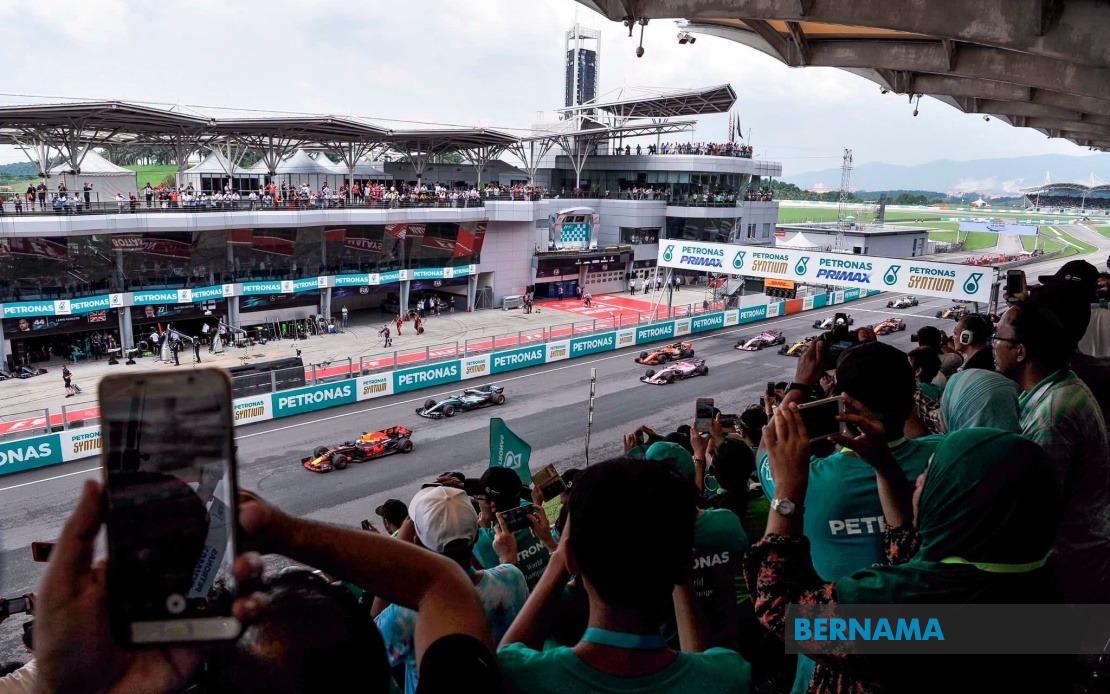
Prime Minister Datuk Seri Anwar Ibrahim has unveiled a major initiative to make Formula 1 racing accessible to everyday Malaysians, announcing MADANI Tickets priced from as low as RM200 for citizens holding valid MyKad identification. The special pricing grants three-day access to the Gulf Air Bahrain Grand Prix, which will be staged at the Sepang International Circuit in October 2026, marking a significant moment for Malaysian motorsport enthusiasts who have waited nearly a decade for F1 racing to return to home soil.
The announcement, made through an official Facebook post, represents the culmination of weeks of careful negotiation between Malaysia's government and Bahraini authorities. According to the Prime Minister, both nations reached a mutual agreement that prioritises making the global motorsport spectacle affordable and accessible for the Malaysian public. This collaborative approach signals Malaysia's commitment to hosting a world-class event while ensuring that attendance is not confined to affluent segments of society, addressing a longstanding criticism that international sporting events often price out ordinary citizens.
The decision to introduce MADANI Tickets demonstrates a deliberate policy shift toward inclusive governance in major national events. By anchoring pricing at RM200 for three-day access—a relatively modest sum compared to international Formula 1 ticket standards—the government has effectively removed a significant barrier that typically prevents middle and lower-income Malaysians from experiencing live motorsport at the highest level. The initiative reflects broader MADANI framework principles emphasising people-centric development and equitable access to national experiences.
Sepang International Circuit's return to the Formula 1 calendar carries profound symbolism for Malaysia's motorsport heritage. The facility previously hosted the Malaysian Grand Prix annually from 1999 through 2017, establishing itself as a beloved venue within the regional racing community and generating substantial economic benefits through tourism and hospitality sectors. The circuit's absence from the F1 calendar for nearly a decade stemmed from escalating operational costs and licensing fees that ultimately rendered the event financially unsustainable under previous hosting arrangements, a challenge familiar to many developing nations seeking to maintain prestige sporting events.
The 2026 Bahrain Grand Prix represents a unique opportunity to revive this legacy through a cooperative framework rather than a unilateral hosting arrangement. The partnership structure—wherein Malaysia hosts the event previously scheduled for Bahrain—emerged against a backdrop of regional geopolitical complexities. The original April date at Bahrain International Circuit was postponed to October, subsequently finding resolution through relocation to Malaysia. This arrangement reflects pragmatic problem-solving on the international motorsport stage, allowing the race to proceed without compromising safety or operational considerations while offering Malaysia an unexpected return to Formula 1 prominence.
The broader economic implications for Malaysia extend well beyond ticket revenues. A Formula 1 Grand Prix typically generates substantial secondary spending across accommodation, dining, entertainment, and retail sectors, with international media coverage providing invaluable global exposure for the nation's tourism brand. The region surrounding Sepang International Circuit, spanning parts of Selangor, stands to experience notable hospitality sector activity during the October race weekend, benefiting hotels, restaurants, and ground transportation services. International visitor flows typically accompanying Formula 1 events create multiplier effects throughout the local economy.
Implementation details remain forthcoming, with the Sepang International Circuit expected to release comprehensive ticketing information and purchasing procedures in coming weeks. The government has not disclosed whether pricing differentiation will extend beyond the base RM200 tier, though international F1 events typically offer tiered seating options at varying price points. Potential premium categories for paddock club experiences or premium grandstand positions may command significantly higher prices, creating revenue opportunities while maintaining the affordable entry point for ordinary citizens.
From a Southeast Asian perspective, Malaysia's successful hosting of Formula 1 carries symbolic weight beyond motorsport circles. The region has limited venues hosting premier international sporting spectacles, and successful execution would enhance Malaysia's positioning as a credible host for major events and reinforce its role as a regional economic and tourism leader. The initiative also demonstrates how developing nations can negotiate hosting arrangements that balance prestige and accessibility, potentially providing a blueprint for other nations seeking Formula 1 or comparable major events.
The October 2026 timeframe provides sufficient preparation period for Malaysian authorities to ensure comprehensive arrangements spanning security, transportation, accommodation capacity, and spectator services. The period also allows Sepang International Circuit adequate time to conduct facility upgrades or maintenance deemed necessary for contemporary Formula 1 requirements, ensuring the circuit meets current technical specifications and international standards.
Citizen response to the MADANI Ticket announcement has been largely positive within Malaysian motorsport communities and general public discourse, with many expressing enthusiasm at the prospect of witnessing elite international racing without prohibitive financial barriers. The initiative represents tangible delivery on populist governance commitments, converting rhetorical promises regarding inclusive development into concrete policy action affecting thousands of potential spectators.
Looking forward, the success of this inaugural MADANI Ticket model for Formula 1 may influence government approaches toward other international sporting events or major national celebrations. Should the October 2026 event demonstrate strong public engagement and positive economic outcomes, policymakers may consider applying similar accessibility frameworks to future international hosting opportunities, potentially establishing a precedent for people-centric event management within Malaysia's national development strategy.

