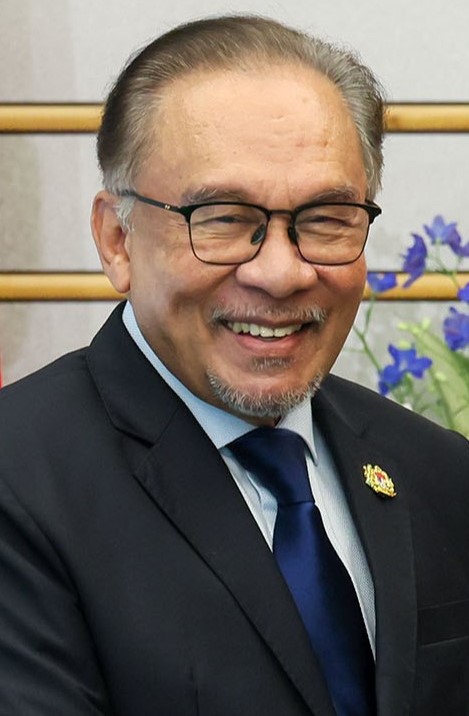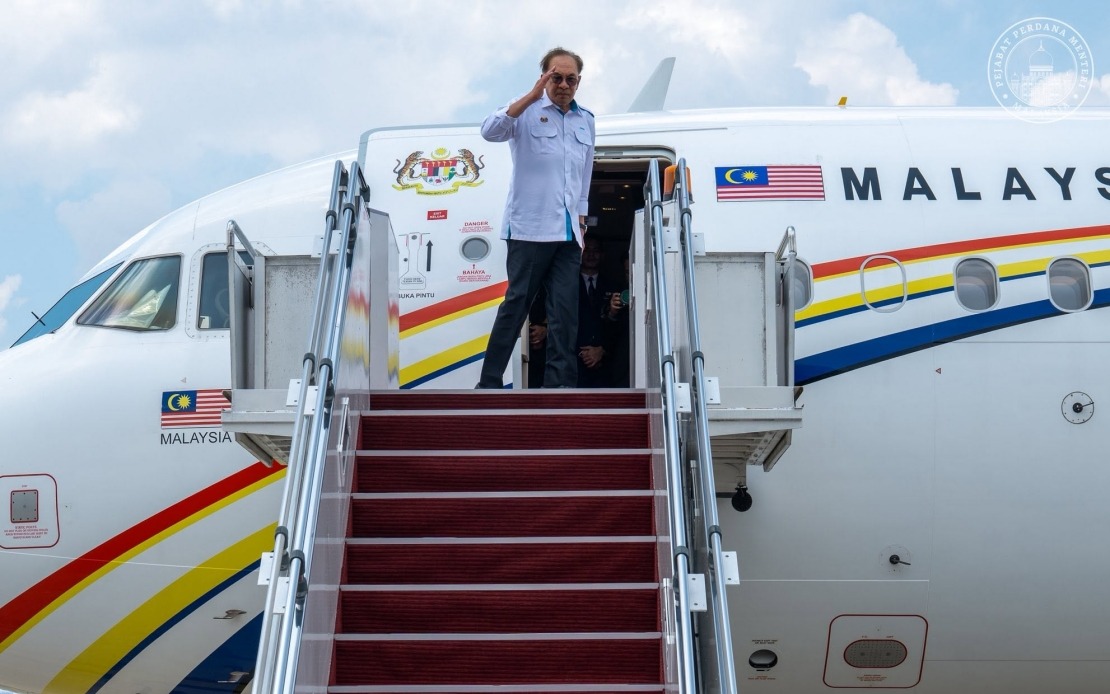
Prime Minister Datuk Seri Anwar Ibrahim left Subang Air Base on Sunday to lead Malaysia's delegation to the ASEAN-Russia Commemorative Summit in Kazan, a significant diplomatic engagement underscoring the region's enduring engagement with Moscow at a time of geopolitical realignment in Asia. The two-day summit, scheduled for June 17-18, commemorates three and a half decades of formal relations between the ten-member bloc and Russia, with Kuala Lumpur serving as the historic birthplace of this partnership in 1991 when Malaysia was at the forefront of regional diplomacy.
During his Kazan visit, Anwar will participate in a bilateral meeting with Russian President Vladimir Putin, a face-to-face engagement that carries particular weight given the complex global environment surrounding Russia's international relations. The summit agenda extends beyond state-level discussions to encompass the Russia-ASEAN Business Forum, reflecting recognition that economic ties and commercial opportunities form a critical pillar of the association's engagement with Moscow. Malaysia's participation demonstrates the country's commitment to maintaining pragmatic relations across the geopolitical spectrum, a balancing act that remains central to Kuala Lumpur's foreign policy approach.
The Malaysian delegation accompanying Anwar reflects the multifaceted nature of the bilateral relationship. Minister of Investment, Trade and Industry Datuk Seri Johari Abdul Ghani and Minister of Economy Akmal Nasrullah Mohd Nasir will join the Prime Minister, alongside senior officials from the Prime Minister's Office and the Foreign Ministry. This composition signals that discussions will traverse economic cooperation, trade frameworks, and investment opportunities, areas where ASEAN and Russia have sought deeper collaboration despite geopolitical constraints.
Wisma Putra outlined that the commemorative summit provides an opportune moment for ASEAN and Russia to evaluate the progress achieved throughout their three decades of partnership while establishing blueprints for future cooperation under the broader ASEAN-Russia Strategic Partnership framework. The timing is noteworthy, arriving amid shifting dynamics in Russia's engagement with Asia and growing recognition within ASEAN that maintaining communication channels with major powers remains essential for regional stability. As a founding member of ASEAN and a country with longstanding ties to Russia, Malaysia's role in these discussions carries particular significance.
Cooperation discussions are anticipated to encompass a wide spectrum of areas reflecting contemporary regional priorities. Trade and investment frameworks will likely dominate conversations, as ASEAN seeks to diversify its economic partnerships and Russia pursues deeper market access within Southeast Asia. Energy cooperation represents another critical domain, particularly given the region's significant energy demands and Russia's substantial hydrocarbon resources. Additionally, food security has emerged as a pressing concern for Southeast Asian nations, especially following global supply chain disruptions, making this a natural focal point for dialogue with a major agricultural producer.
The digital economy and technological advancement feature prominently among discussion topics, reflecting both ASEAN's rapid digital transformation and Russia's considerable expertise in certain technological sectors. Science and technology partnerships offer avenues for mutually beneficial collaboration on research and innovation initiatives. Cultural exchanges, educational programs, and people-to-people connections round out the cooperation agenda, dimensions that sustain long-term relations beyond governmental transactions and commercial dealings. Tourism represents a growing sector where both sides recognize opportunities for expansion and mutual benefit.
Anwar's diplomatic itinerary extends beyond Russia, with the Prime Minister scheduled to proceed to Ashgabat, Turkmenistan, following the Kazan summit. This continuation underscores Malaysia's broader engagement with Central Asian nations, a region increasingly within Southeast Asia's strategic purview as regional powers seek to expand their horizons beyond traditional geographical boundaries. The visit to Turkmenistan comes at the invitation of President Serdar Berdimuhamedow, indicating Anwar's efforts to strengthen bilateral relations and explore cooperation opportunities with another significant regional actor.
Malaysia's approach to these high-level engagements reflects a careful calibration between maintaining established partnerships and navigating contemporary geopolitical complexities. As an ASEAN member committed to the bloc's centrality in regional affairs, Malaysia participates in collective dialogue with Russia while pursuing independent bilateral relations. This strategy allows Kuala Lumpur to sustain communication channels with Moscow while remaining aligned with broader ASEAN principles of non-alignment and inclusive regionalism.
The ASEAN-Russia relationship, despite occasional strains within the broader international system, has demonstrated resilience through its focus on practical cooperation areas where mutual interests align. The 35-year milestone provides an opportunity to reflect on achievements while acknowledging that the partnership must adapt to contemporary challenges and opportunities. For Malaysia, whose economy increasingly depends on diversified international engagement and whose diplomatic tradition emphasizes dialogue over confrontation, these summits represent crucial platforms for advancing national interests within a framework of regional solidarity.
Anwar's participation in both the Kazan summit and subsequent Turkmenistan visit demonstrates Malaysia's commitment to expanding and deepening engagement across multiple international partners and regions. The diplomatic mission reflects broader efforts to position Malaysia as a bridge between diverse geopolitical spheres, a role that has historically defined Malaysian foreign policy. As the region navigates evolving global dynamics, maintaining channels of communication and cooperation with powers like Russia and Central Asian nations serves Malaysia's long-term strategic interests and contributes to regional stability.