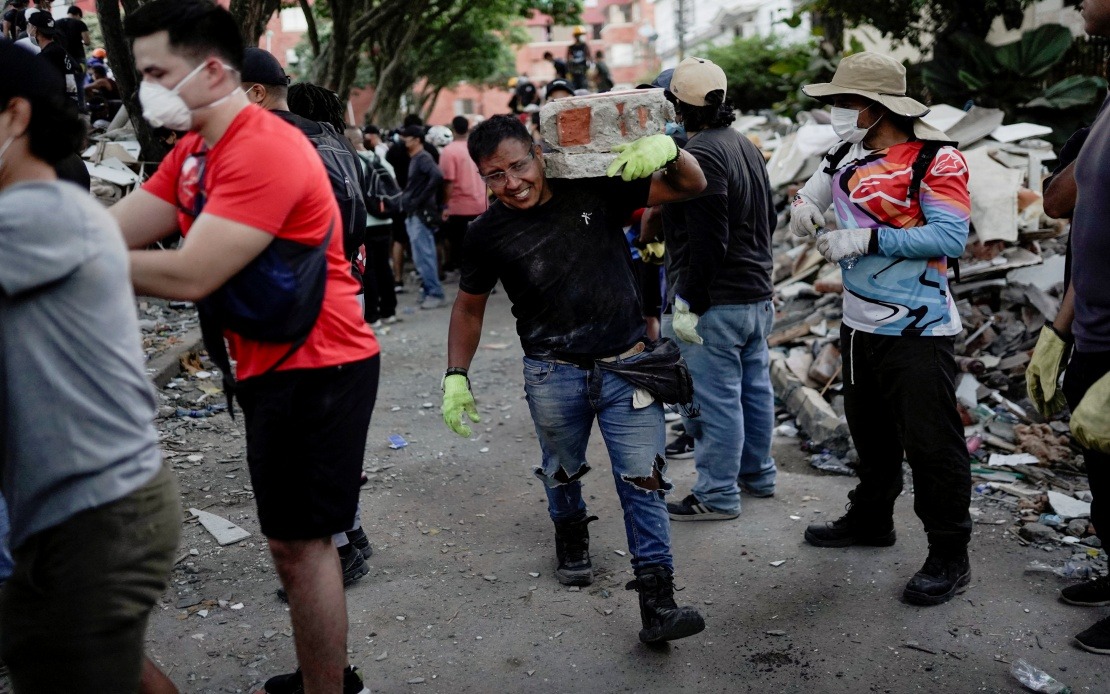
Prime Minister Datuk Seri Anwar Ibrahim has conveyed Malaysia's heartfelt condolences to the people of Colombia following a catastrophic earthquake that struck the country's western region, marking one of the most severe seismic events to affect the South American nation in decades. Through a Facebook post, Anwar articulated Malaysia's commitment to standing alongside Colombia during this period of national crisis and collective mourning.
The 7.4-magnitude earthquake struck western Colombia on Monday, with its epicentre located in the Chocó region, a densely populated area that bore the brunt of the initial impact. The tremor unleashed a cascade of destruction across multiple urban centres, including the major cities of Cali, Pereira, and Manizales, resulting in confirmed fatalities exceeding 100 people. The scale of devastation has prompted widespread international concern and mobilised rescue and humanitarian operations across affected zones.
In his formal statement, Anwar conveyed the Malaysian government's deep sorrow at the unfolding humanitarian tragedy and extended sincere sympathies to bereaved families who lost loved ones in the disaster. Beyond the immediate loss of life, the earthquake has displaced thousands, damaged critical infrastructure, and disrupted essential services across the affected regions. The Prime Minister's public expression of solidarity reflects Malaysia's commitment to international humanitarian principles and its acknowledgement of the shared vulnerability of nations to natural calamities.
A significant aspect of the disaster response has been the extraordinary efforts of rescue personnel and volunteer organisations working tirelessly to locate survivors beneath collapsed buildings and debris. Anwar specifically recognised these frontline workers, acknowledging their courage and dedication despite the ongoing threat posed by powerful aftershocks that continue to destabilise already weakened structures. The search and rescue operations represent a critical window during which lives can still be saved, making the work of these teams essential to minimising the overall human toll.
The aftershock sequence following the main tremor has added considerable complexity to rescue efforts and heightened anxiety among survivors. Rescue teams have had to balance the urgency of locating missing persons with the genuine risks posed by structural instability and secondary ground movements. These cascading seismic events have complicated logistics for deploying heavy machinery and personnel to affected areas, while simultaneously hampering efforts to restore basic utilities and establish medical facilities to treat the injured.
Malaysia's formal diplomatic response through the Prime Minister's office underscores the country's standing within the international community and its commitment to collaborative responses to humanitarian crises. Such expressions of solidarity, while symbolic, carry weight in international relations and demonstrate Malaysia's values-driven foreign policy orientation. The gesture also reflects broader Southeast Asian sentiment regarding the importance of mutual support during natural disasters, a concern particularly resonant for a region itself frequently affected by seismic activity and other environmental hazards.
From a regional perspective, the Colombia earthquake serves as a sobering reminder of the indiscriminate nature of seismic disasters and their capacity to overwhelm even well-prepared nations. Malaysia and other Southeast Asian countries remain mindful of their own vulnerability to earthquakes, particularly in areas such as Sabah and Sarawak, where seismic activity poses genuine risks to communities and infrastructure. International disaster response coordination and knowledge-sharing become increasingly valuable as nations grapple with the complexities of emergency management in densely populated regions.
The international community's response to the Colombia earthquake has been characterised by rapid mobilisation of assistance, with numerous countries offering humanitarian aid, technical expertise, and rescue personnel. This coordinated approach reflects established protocols within the United Nations and regional disaster management frameworks that have evolved over decades of experience with major natural disasters. Malaysia's participation in such frameworks, both as a contributor and potential beneficiary, underscores the importance of maintaining functional international mechanisms for disaster response.
Looking ahead, the focus will shift from immediate rescue operations to longer-term recovery and reconstruction efforts. Colombia will face the formidable challenge of rebuilding damaged infrastructure, providing psychological support to trauma survivors, and implementing enhanced building standards to improve resilience against future seismic events. International partners, including Malaysia, may contribute technical assistance or resources to support these recovery phases, particularly in areas such as disaster risk reduction and infrastructure modernisation.
The earthquake also presents an opportunity for reflection on disaster preparedness within the region and globally. Malaysia, as a nation with established mechanisms for responding to natural disasters, can leverage its experience to support international humanitarian efforts and contribute to evolving global standards for earthquake resilience. The tragedy in Colombia reinforces the imperative for continuous investment in early warning systems, building code enforcement, and public education regarding earthquake safety across all vulnerable nations.

