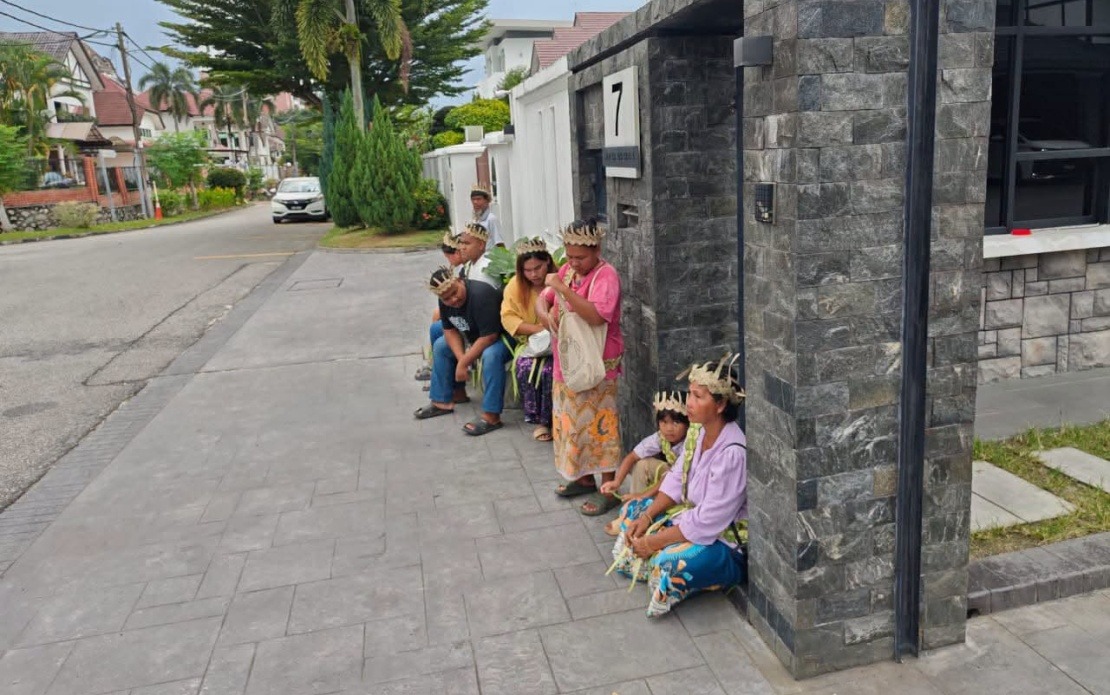
Prime Minister Datuk Seri Anwar Ibrahim has promised to take the Kampung Sungai Cot land controversy to Pahang's state administration, following direct engagement with representatives from the Orang Asli settlement in Maran. The commitment emerged after a delegation from the village visited his official residence, where discussions centered on the protracted property dispute and recent detentions affecting residents of the community.
Anwar disclosed the commitment through a social media update on July 17, noting that he had conducted telephone conversations with community leaders subsequent to their in-person meeting. The Prime Minister indicated his receptiveness to the grievances articulated by the Orang Asli representatives, emphasizing his attentiveness to their circumstances and the complications they confront as a result of the ongoing land controversy.
Central to the Prime Minister's statement was his acknowledgment that three community members from Kampung Sungai Cot had faced police custody. However, Anwar reported positive progress on this front, confirming that the detained individuals had subsequently been discharged following intervention. This development signals responsiveness from law enforcement to concerns raised about the matter, though the circumstances surrounding their initial apprehension remain unclear from available information.
The Prime Minister issued a cautionary statement urging all stakeholders to refrain from weaponizing the dispute for political or factional gain. Anwar's emphasis on procedural restraint underscores awareness that land disagreements involving indigenous communities can become flashpoints for broader political contestation, particularly when they intersect with questions of constitutional protections and native rights. His call for judicious handling reflects an attempt to establish a framework where resolution possibilities remain viable rather than positions calcifying through polarized rhetoric.
The incident highlights recurring tensions surrounding indigenous land rights in Malaysia, a nation where Orang Asli communities have historically faced pressures from development initiatives, agricultural expansion, and administrative encroachments. These disputes often pit customary land claims—frequently undocumented under formal property registry systems—against competing interests from state authorities or private entities. Kampung Sungai Cot's case exemplifies these structural difficulties that plague governance of indigenous territories throughout the country.
The Pahang government now bears responsibility for implementing substantive measures to address the underlying grievance. State administrators must navigate competing obligations: recognizing indigenous land claims while maintaining administrative coherence and legal frameworks. The Prime Minister's intervention suggests federal-level concern about how regional authorities manage these sensitive matters, potentially signaling that Putrajaya intends closer oversight of how Orang Asli grievances receive treatment at the state tier.
Anwar's framing emphasizing fairness and legal compliance indicates the administration's preference for resolving the dispute through established institutional channels rather than confrontational approaches. This orientation reflects broader governance philosophy prioritizing reconciliation and structured problem-solving. Nevertheless, the reference to justice according to law raises pertinent questions about whether existing legal mechanisms adequately protect indigenous land interests or whether legislative reform may ultimately prove necessary.
For the broader Orang Asli population across Peninsular Malaysia, this case carries significance as a potential precedent. How federal and state authorities handle the Kampung Sungai Cot situation will likely influence community perceptions of whether government institutions genuinely protect indigenous rights or whether formal procedures ultimately disadvantage marginalized populations. The outcome could shape willingness of other villages to pursue grievance mechanisms through official channels versus alternative approaches.
The detention of three community members, though resolved, raises parallel concerns about law enforcement protocols when indigenous communities assert land claims. Understanding the grounds for their apprehension and circumstances of their release would illuminate whether police procedures adequately distinguish between legitimate advocacy and activities warranting intervention. This procedural clarity remains essential for establishing community confidence in state institutions.
Moving forward, resolution of the Kampung Sungai Cot dispute will require coordinated engagement between Pahang state administration, federal authorities, the Orang Asli community, and potentially relevant line ministries overseeing indigenous affairs. The Prime Minister's willingness to champion the issue at federal level provides political impetus for state-level action, though successful outcomes depend ultimately on substantive negotiation addressing the community's underlying land security interests and aspirations for territorial recognition.

