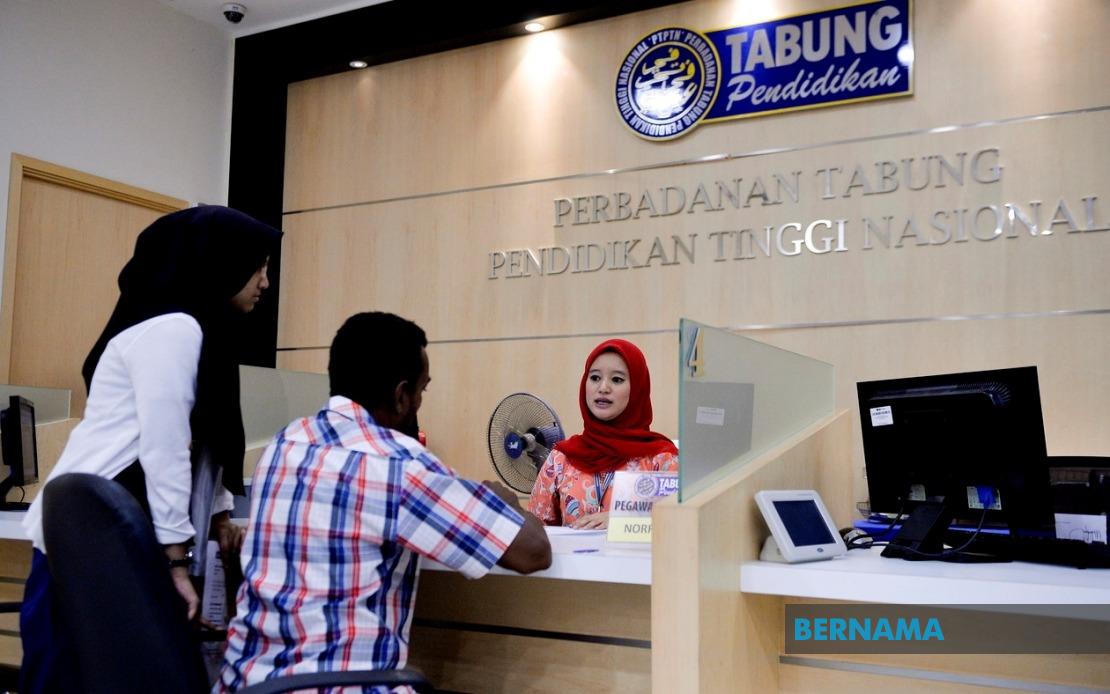
The Women's Wing of Parti Keadilan Rakyat has intensified pressure on the government to fundamentally restructure Malaysia's PTPTN repayment framework, demanding the immediate removal of a 15 per cent debt collection agency surcharge that activists say compounds the financial distress of hundreds of thousands of borrowers already struggling with loan obligations. In a statement released on July 15, the party's executive committee member Karen Kasturi outlined a series of urgent reforms needed to address what she characterises as systemic failures in how the National Higher Education Fund Corporation handles account defaults and restructuring requests.
The core issue centres on a cascade of fees and procedural barriers that have left many borrowers trapped in a cycle of debt amplification. When accounts are referred to collection agencies—a common practice for longstanding delinquent loans—borrowers face simultaneous demands: a lump-sum payment requirement of up to 50 per cent of their outstanding balance, combined with an additional 15 per cent intermediary fee. For individuals already unable to meet regular repayments, this sudden doubling of effective debt becomes insurmountable, effectively pricing financial restructuring beyond the reach of those most in need of relief.
Kasturi's intervention gains particular resonance given that Prime Minister Datuk Seri Anwar Ibrahim recently committed to discussing the possible abolition of PTPTN itself following campaign pressure during the Johor state election. The ruling coalition has signalled openness to fundamental reform of Malaysia's student loan system, yet the immediate plight of existing borrowers remains largely unaddressed. The PKR Women's Wing positions itself as advocating for pragmatic interim measures that could deliver relief within months, rather than waiting for a potentially years-long policy overhaul.
A secondary complaint highlighted by Kasturi concerns procedural confusion and what she describes as a deliberate misdirection within PTPTN's own system. Borrowers who contact the fund seeking to restructure repayment plans are ostensibly directed to negotiate directly with PTPTN officials, yet many report being handed off instead to debt collection agencies without transparent explanation or genuine opportunity for direct discussion with the fund. This structural disconnect—whether administrative incompetence or deliberate design—effectively prevents borrowers from accessing formal restructuring mechanisms, forcing them into the arms of third-party collectors who profit from the commission structure.
The financial arithmetic underlying this system reveals its punitive design. A borrower with a RM50,000 outstanding balance facing collection would need to produce RM25,000 as a lump sum, plus an additional RM7,500 (15 per cent) in intermediary charges, totalling RM32,500 immediately—a sum that likely exceeds the annual income of many B40 and M40 category workers. This configuration transforms PTPTN from a developmental institution into a mechanism for wealth extraction from Malaysia's lower and middle income groups, precisely the population the fund was originally designed to support.
Kasturi's call for more granular assistance targeted at B40 and M40 borrowers reflects recognition that Malaysia's income-segmented approach to social policy requires corresponding flexibility in education finance management. A borrower earning RM2,000 monthly cannot be subjected to the same repayment architecture as one earning RM5,000, yet PTPTN's current rigid framework treats all delinquent accounts similarly. The absence of income-adjusted repayment schedules or hardship provisions represents a critical policy gap, particularly given Malaysia's persistent wage stagnation and rising cost of living pressures that have dominated public discourse since 2020.
Another dimension of Kasturi's intervention addresses the perverse incentives embedded in PTPTN's relationship with Employees Provident Fund withdrawals. The government has previously permitted EPF savings to be accessed for PTPTN repayment, a measure intended to help borrowers but one undercut by intermediary fees that deplete the fund at withdrawal. A borrower using RM10,000 of EPF savings to clear PTPTN debt may find that debt collection agency commissions reduce the actual amount applied to principal, leaving both accounts depleted with minimal progress toward resolution.
The political timing of this intervention warrants scrutiny. By positioning the Women's Wing as the advocate for borrowers while the broader ruling coalition discusses larger structural reform, PKR seeks to claim credit for pragmatic relief while other factions debate ideological positions on whether PTPTN should exist at all. For the 1.5 million-plus current PTPTN borrowers—many politically crucial swing voters in urban constituencies—immediate fee abolition carries vastly more weight than abstract discussions of future policy architecture.
The framing of PTPTN borrowers as productive citizens engaged in education-financed self-improvement, rather than defaulting debtors, represents a subtle but significant rhetorical reorientation. Kasturi's assertion that these individuals should not be "viewed merely as debtors" rejects the creditor-debtor binary that currently dominates PTPTN discourse and instead repositions borrowers as members of society entitled to reasonable treatment and opportunity for resolution. This framing aligns with broader global trends toward debt jubilee, income-driven repayment, and recognition of education finance's role in systemic inequality.
For Malaysian readers, particularly those managing PTPTN obligations, the immediate implications centre on whether the government will implement quick-win reforms like fee elimination while deliberating longer-term policy questions. The Higher Education Ministry, under Datuk Seri Dr Zambry Abd Kadir, now faces pressure from multiple directions to demonstrate concrete action. Delaying fee removal while pursuing broader PTPTN abolition discussions risks appearing indifferent to present suffering in pursuit of future transformation—a politically vulnerable position for a government already facing criticism over cost-of-living pressures.
Regionally, Malaysia's PTPTN debate reflects broader Southeast Asian struggles with education financing in middle-income contexts. Thailand, Indonesia, and the Philippines all grapple with similar questions of how to balance financial sustainability of student loan systems against the social burden of debt on graduates. Malaysia's particular challenge—a system now producing intergenerational debt burden precisely when wage growth has stagnated—mirrors patterns visible throughout the region and suggests that PKR's emphasis on immediate relief measures addresses a structural problem unlikely to resolve through system abolition alone.
The practical question now centres on government response speed. Fee elimination requires minimal legislative action and generates no additional fiscal cost; it merely redistributes the burden away from borrowers toward the fund itself. If the Anwar administration wishes to demonstrate responsiveness to genuine hardship while larger PTPTN discussions continue, implementing Karen Kasturi's recommendations represents low-risk, high-visibility policy action that could reshape the political narrative around education finance reform in Malaysia.

