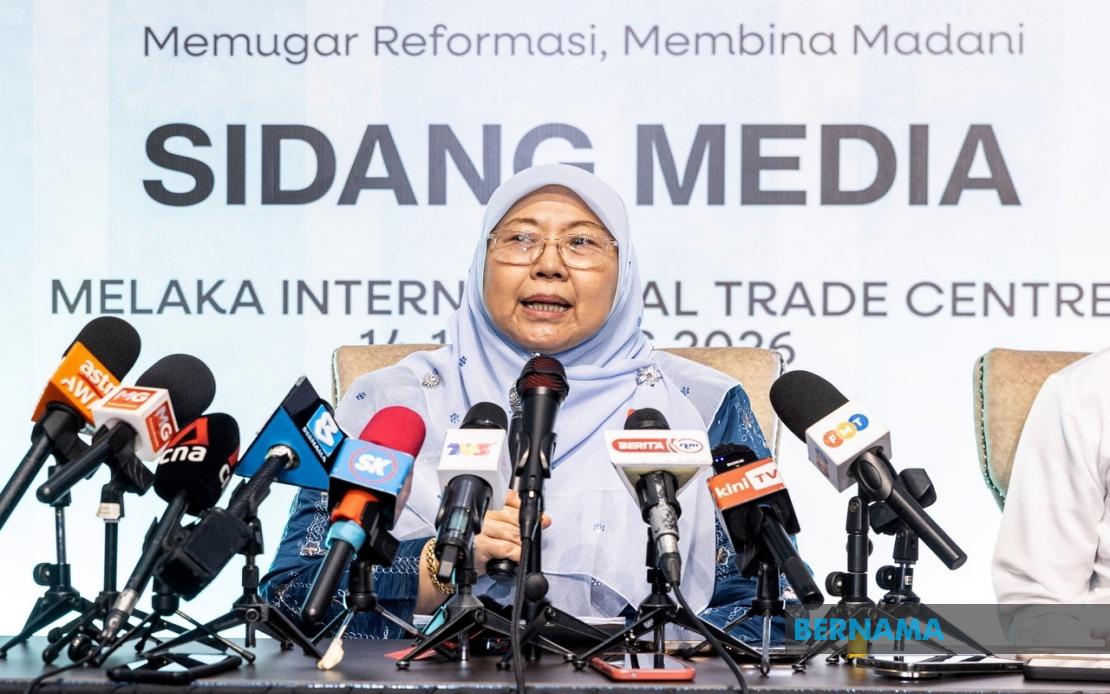
Parti Keadilan Rakyat has taken a flexible approach to the extended leave of its deputy president Nurul Izzah Anwar, who intends to pursue further studies without a predetermined timeline for her return to party duties. Speaking in Melaka during the 2026 National Congress of Angkatan Muda Keadilan and Wanita PKR, party secretary-general Senator Datuk Dr Fuziah Salleh indicated that the party remains accommodating of her educational aspirations and stands ready to welcome her back whenever she feels prepared to resume her responsibilities.
The arrangement reflects a growing trend among prominent political figures in Malaysia seeking to balance leadership roles with personal development objectives. Rather than impose restrictions on her academic pursuits, PKR has opted for a framework that prioritises her readiness to re-engage with party matters. This pragmatic stance potentially signals the party's confidence in its institutional structures and succession planning, suggesting that operations can continue effectively during her absence.
Fuziah clarified the timing of Nurul Izzah's departure, noting that she will remain fully engaged until the conclusion of the three-day National Congress held in Melaka. During this period, the deputy president will continue performing her official functions, including chairing sessions of both the youth and women's wings, moderating debates, and delivering closing statements. This staggered approach ensures continuity in party governance while allowing for a smooth transition as she transitions into her leave period.
The backdrop of this announcement is the PKR's broader institutional renewal agenda, which has become increasingly prominent within party circles. Fuziah emphasised that the forthcoming policy address from party president Ibrahim Anwar will concentrate on articulating the party's foundational struggle, strategic direction, and long-term vision. Alongside these thematic priorities, the speech will underscore the administration's commitment to overhauling internal structures and processes to enhance organisational effectiveness.
Delegate participation in shaping party discourse remains a cornerstone of PKR's democratic culture. Fuziah made clear that individual congress participants retain full autonomy in determining which substantive motions they wish to bring forward for discussion and debate. This decentralised approach to agenda-setting includes matters pertaining to party reinforcement and institutional strengthening, reflecting the grassroots-oriented principles the party has long championed among Malaysian opposition movements.
The leave arrangement for Nurul Izzah carries wider implications for succession narratives within PKR and the broader opposition coalition. As a prominent figure in her own right and daughter of the party president, her educational hiatus raises questions about generational transition planning within the party hierarchy. The absence of formal restrictions on her return demonstrates confidence that her temporary step-back will not impede her future political trajectory or the party's capacity to navigate its current trajectory during her absence.
Educational pursuits among senior Malaysian politicians have increasingly become focal points of public discussion, particularly as parties seek to position themselves as modern, progressive institutions receptive to lifelong learning. Nurul Izzah's decision to prioritise academic development underscores this broader cultural shift within opposition circles, where leaders are expected to maintain intellectual engagement alongside their political commitments. The party's supportive stance reinforces this positioning.
From a Southeast Asian perspective, Malaysia's opposition parties continue experimenting with governance models that accommodate individual aspirations while maintaining collective institutional strength. PKR's approach differs markedly from more rigid hierarchical structures elsewhere in the region, suggesting an institutional maturity that can manage leadership transitions and extended absences without sacrificing operational coherence. This flexibility may prove valuable as Malaysian politics navigates increasing complexity.
The specifics of Nurul Izzah's academic programme remain undisclosed, though her departure after the National Congress provides a natural inflection point for party operations. The absence of predetermined duration underscores trust in both her commitment to eventual re-engagement and the party's capacity to function effectively through transitional periods. This arrangement potentially establishes a precedent for how PKR approaches balancing personal development with collective political responsibilities, signalling openness to accommodating similar requests from other senior members in future.
Fuziah's articulation of party readiness to receive Nurul Izzah upon her return emphasises continuity of purpose and role. Rather than treating her departure as a potentially problematic vacancy, PKR has framed it as a temporary repositioning that maintains relational bonds and preserves her position within the leadership structure. This messaging serves dual purposes: assuring party members of institutional stability whilst reassuring Nurul Izzah that her educational pursuits do not jeopardise her political standing.

