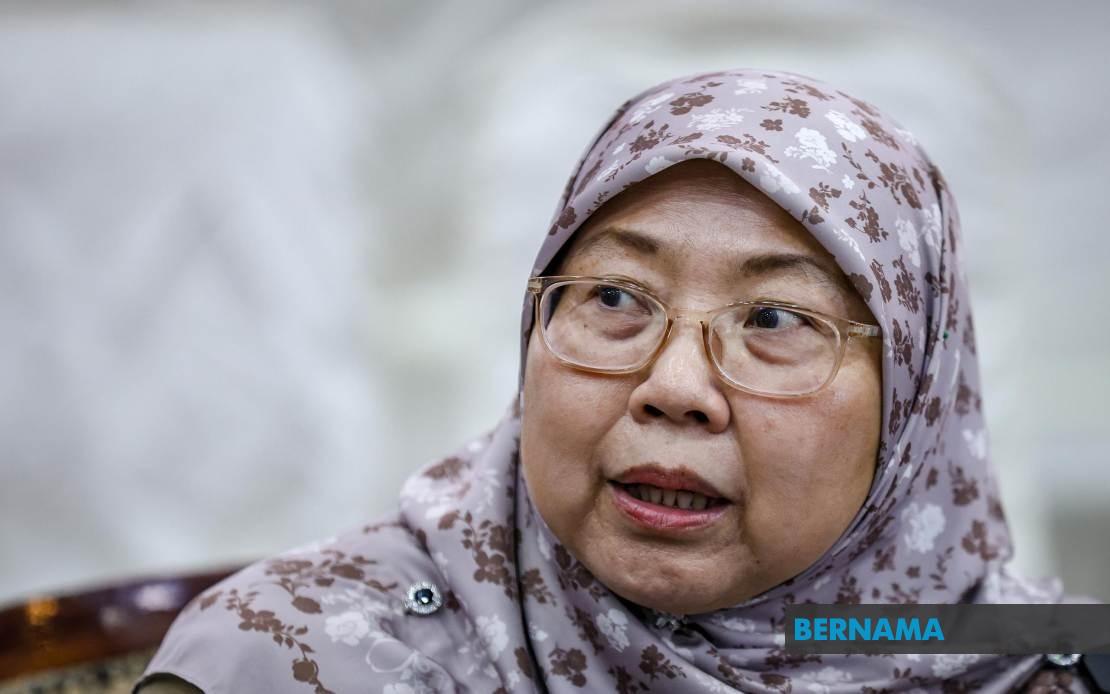
Parti Keadilan Rakyat has moved to clarify the status of businessman Datuk Seri Nicky Liow Soon Hee following widespread social media speculation about his connection to the party. PKR secretary-general Datuk Dr Fuziah Salleh issued an official statement on July 26 confirming that Liow holds no formal membership with the party, after the matter prompted the coalition to conduct a thorough verification of their internal records.
The confusion stemmed from a viral photograph that circulated online showing Liow wearing branded merchandise from Angkalan Muda Keadilan, the party's youth wing. The image sparked immediate claims among social media users that the businessman maintained an active membership with PKR, raising questions about the nature of his involvement with the opposition coalition and potential political connections.
To address the emerging controversy, PKR conducted a comprehensive check through the KEADILAN Membership System, which serves as the official repository of party member details and records. Fuziah's statement underscored that the verification process revealed not only that Liow currently holds no membership status with the party, but also that he has never formally submitted an application seeking to join PKR at any point in the past.
The timing of this clarification carries particular significance given the recent legal developments surrounding Liow. Prior to the PKR confirmation, the businessman had been charged in the Shah Alam Sessions Court in connection with allegations of involvement in an organised crime syndicate colloquially known as the "Nicky Gang." These charges also include accusations of money laundering, placing him at the centre of a high-profile criminal investigation that has drawn considerable public and media attention.
The emergence of the photograph and subsequent social media speculation may have been interpreted by some as an attempt to link Liow's alleged criminal activities to PKR or to suggest that the party maintained connections to individuals involved in organised crime. For an opposition coalition already navigating complex political dynamics and seeking to maintain public confidence, such associations could prove damaging to party credibility and public perception, particularly at a time when political narratives are sharply contested.
PKR's swift and decisive response reflects the party's recognition that unverified claims about membership and political affiliations can rapidly gain traction in the digital sphere, potentially creating lasting reputational consequences. By issuing an official statement with specific reference to systematic verification through party databases, PKR sought to establish a clear factual record that would counteract the spread of misinformation on social platforms.
For Malaysian political observers, this incident highlights the broader challenge facing contemporary political parties in managing their public image amid the rapid proliferation of social media content. A single photograph, when combined with speculation and shared widely across multiple platforms, can generate significant narrative momentum regardless of its factual accuracy. The need for political organisations to maintain rigorous membership records and to communicate transparently about such matters has become increasingly important in an environment where unsubstantiated claims can influence public opinion within hours.
The distinction between the image of party merchandise and actual party membership also underscores how public confusion about political affiliation can emerge from seemingly minor details. Branded clothing or materials distributed by youth wings or at public events may be worn or possessed by individuals with varying degrees of formal connection to the party, creating opportunities for misinterpretation when context is stripped away in social media sharing.
Liow's legal situation remains separate from questions about his political affiliations, though the criminal charges against him have naturally invited scrutiny of his various associations and networks. The "Nicky Gang" allegations and money laundering accusations represent serious criminal matters that will be adjudicated through the courts independent of any political party's statements regarding membership status.
For PKR particularly, the statement serves as a defensive measure ensuring that the party cannot be accused of sheltering or associating with individuals facing serious criminal allegations. By publicly establishing the absence of any formal relationship with Liow, the coalition protects itself from potential criticism that might otherwise emerge from political opponents seeking to exploit any perceived connection between the party and organised crime networks.
The incident also reflects how digital misinformation can originate and spread even when based on incomplete information or visual content lacking adequate context. Without the intervention of official party statements and systematic verification through institutional records, such claims might continue circulating unchallenged, potentially influencing public perceptions of PKR's transparency and the nature of its membership base.

