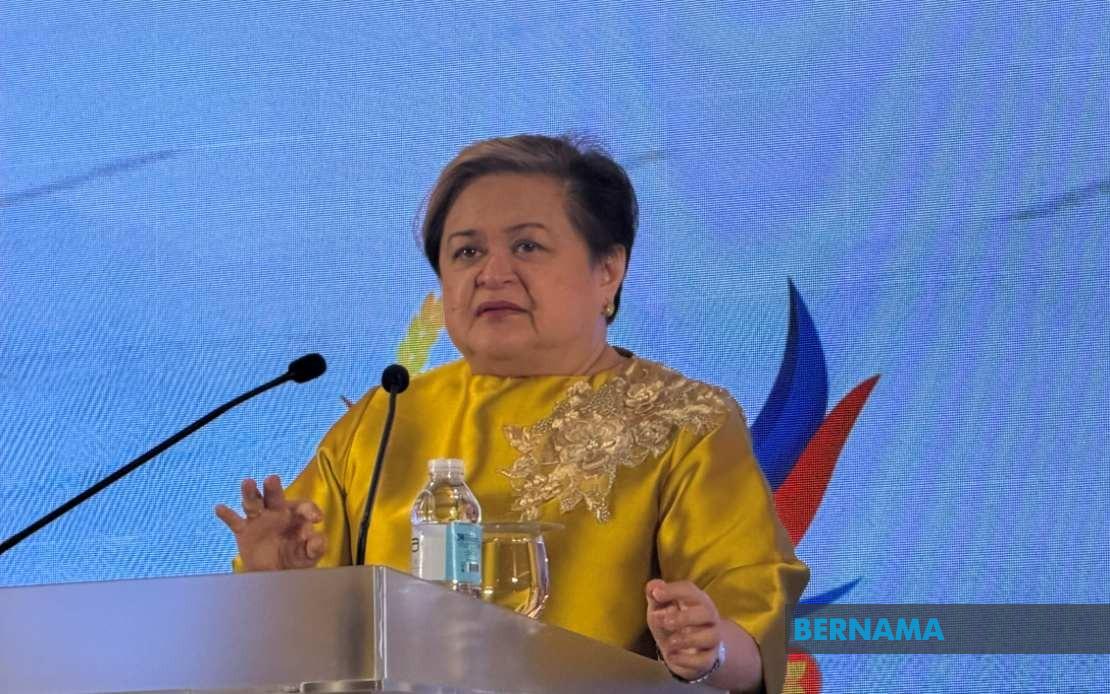
The Philippines has made an urgent appeal to ASEAN member states to fortify maritime defences and strengthen the protection of critical sea lanes, particularly the Strait of Malacca and the South China Sea, as geopolitical tensions continue to threaten regional economic stability. The call comes amid heightened concerns that disruptions to global shipping routes could cascade into broader crises affecting energy prices, food security and the competitiveness of regional producers.
Philippine Foreign Affairs Secretary Ma. Theresa P. Lazaro articulated the region's vulnerability during recent discussions, drawing parallels to recent disruptions in the Strait of Hormuz, a vital chokepoint for Middle Eastern oil supplies. Such incidents have demonstrated how swiftly maritime disruptions can trigger inflationary pressures and destabilise interconnected supply chains. For Southeast Asia, where nations depend heavily on international maritime commerce for prosperity, the stakes are particularly high.
ASEAN's economic model rests fundamentally on seamless access to global trade networks. The bloc's manufacturing sectors, from electronics assembly to agricultural processing, depend on predictable logistics costs and reliable shipping schedules. Any sustained interruption to these routes risks imposing substantial operating expenses on businesses, delaying production schedules and eroding the competitive advantages that have underpinned the region's industrial growth. Energy supplies, too, remain vulnerable, as several ASEAN members rely on maritime imports for power generation and petroleum products.
In response to these mounting challenges, Lazaro articulated a comprehensive agenda requiring practical coordination among member states. The approach encompasses maintaining freedom of navigation along critical sea lanes, reinforcing supply chain networks to withstand shocks, and deepening collaboration on energy and food security. Beyond defensive measures, the proposal emphasises trade facilitation and connectivity improvements that would enable faster, more efficient movement of goods across borders.
A particularly innovative element involves establishing improved crisis communication protocols at the foreign ministry level. Such mechanisms would enable ASEAN to respond with greater speed and unity when unexpected disruptions occur. Currently, the bloc's response capabilities remain fragmented, with individual nations sometimes acting independently rather than in concert. Standardised communication channels and coordinated decision-making structures could accelerate collective action during emergencies.
The secretary also championed the development of technical cooperation frameworks, enhanced information-sharing capabilities, and strengthened early warning systems. These mechanisms would allow ASEAN to detect emerging threats before they materialise into full-scale crises. The capacity to anticipate problems—whether from geopolitical instability, piracy, extreme weather, or accident—provides precious time for preventive action and contingency planning.
Lazaro emphasised that openness and transparency regarding maritime conditions and supply chain movements would bolster confidence among traders and investors operating within the region. When shipping companies and manufacturers can rely on clear, timely information about potential disruptions and regional responses, they gain assurance to maintain operations and investment commitments. This transparency also encourages compliance with international maritime norms and discourages actors from engaging in disruptive behaviour that might destabilise the system.
Concretely, the Philippines has positioned itself to contribute institutional capacity through its proposed 2026 ASEAN Chairship. A centrepiece of this agenda is the establishment of the ASEAN Maritime Centre within Philippine territory. This facility would serve as a coordinating hub for maritime matters, facilitating dialogue among member states and enabling collaborative responses to shared challenges. The centre would also coordinate work across ASEAN's various institutional mechanisms that address maritime issues, ensuring coherent rather than duplicative efforts.
The maritime centre is designed to function as more than a bureaucratic office. It would promote cross-sectoral and cross-pillar collaboration, meaning maritime security initiatives would be integrated with broader ASEAN frameworks addressing economic integration, political dialogue and socio-cultural exchange. Such integration recognises that maritime security cannot be separated from trade policy, energy cooperation, and regional development objectives.
For Malaysia, which hosts the world's busiest maritime chokepoint in the Strait of Malacca, the Philippines' initiative carries particular resonance. Malaysian ports and shipping infrastructure stand at the centre of these critical routes, making the country both a stakeholder in regional maritime stability and a potential leader in collaborative security arrangements. Enhanced ASEAN coordination could complement Malaysia's existing bilateral maritime security partnerships and modernise mechanisms that have operated for decades.
The broader context includes rising concerns about great power competition in Southeast Asian waters. While the Philippines does not explicitly reference external powers in these statements, the implicit concern centres on how extraregional actors might exploit maritime disruptions or instability to advance their strategic interests. A cohesive, capable ASEAN maritime security framework would reduce opportunities for such interference and strengthen the region's autonomy.
Implementing Lazaro's proposals will require sustained political commitment from all member states, along with meaningful investment in institutional capacity and technical capabilities. Coordination across ten nations with varying maritime interests and capabilities presents genuine challenges. Yet the economic stakes—potentially trillions of dollars in annual trade flowing through these waters—justify the effort. Success would position ASEAN as a more resilient economic bloc capable of weathering external shocks while maintaining the open, rules-based maritime environment that has powered regional prosperity.

