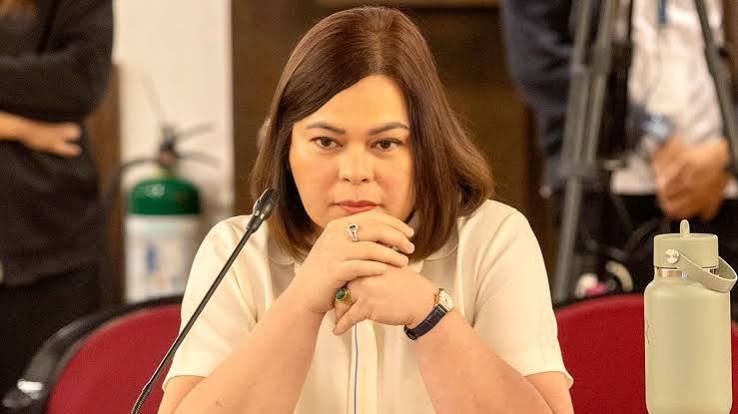
The Philippine National Police announced Friday that it will position approximately 6,000 law enforcement personnel across Manila's Senate district and its surroundings as Vice President Sara Duterte faces an impeachment trial beginning Monday. The substantial security deployment underscores the high-stakes nature of proceedings that could potentially remove the country's second-highest official from power and permanently bar her from future public office.
The scale of the police presence reflects longstanding concerns about maintaining order during politically sensitive trials in the Philippines, where large public gatherings and political emotions can quickly escalate. Officials stressed that the deployment aims to guarantee that the impeachment court proceedings proceed in a secure and orderly manner, signalling the government's commitment to protecting both the judicial process and public safety during what promises to be a contentious constitutional moment.
Logistical disruptions will accompany the trial as authorities prepare the Senate complex in Pasay City for intensive proceedings. Local media reported Friday that several roads surrounding the legislative venue will face temporary closures beginning Monday, a measure designed to control traffic flow and minimise civilian exposure to potential security incidents. The affected areas represent part of Manila's central business district, meaning commuters and workers in the region should anticipate significant congestion and alternative routing throughout the trial period.
The Senate's impeachment court formally directed Duterte on Thursday to present herself before the tribunal, granting her the option to appear in person or to conduct her defence through legal counsel. This directive formalises the procedural requirements that govern the trial and establishes the framework within which the vice president must respond to charges brought against her. Her decision regarding personal attendance versus proxy representation may carry symbolic weight beyond the courtroom, potentially influencing public perception of her willingness to confront allegations directly.
Duterte's legal and financial standing presents a complex picture that extends beyond the impeachment proceedings themselves. The Office of the Vice President disclosed Thursday that it received an unmodified audit opinion from the Commission on Audit regarding its 2025 financial statements, indicating that the OVP's accounts were fairly presented and adhered to applicable reporting standards. This positive financial audit, however, exists independently of the impeachment case and does not address the substantive political charges underpinning the trial.
The separation between financial auditing and impeachment procedures reflects the distinct constitutional pathways through which the Philippine political system examines official conduct. While the Commission on Audit evaluates fiscal compliance and administrative operations, the impeachment court addresses broader questions of political fitness and alleged wrongdoing. The timing of the favourable audit opinion, arriving as the trial commences, may provide Duterte with modest credibility on governance matters, though observers note that procedural propriety in budget management differs substantially from the political charges in impeachment cases.
Duterte's political trajectory adds significant context to the current trial. The vice president, daughter of former President Rodrigo Duterte, publicly announced her intention to contest the 2028 presidential election in February, signalling ambitions for the nation's highest office. Her entry into the presidential race occurred amid already-emerging tensions with the current administration, and the impeachment proceedings can be viewed partly as an expression of deeper political competition between rival factions within Philippine governance.
The constitutional stakes of this trial extend considerably beyond Duterte's personal political future. Philippine law stipulates that conviction requires a supermajority vote—more than two-thirds of senators must support removal. Meeting this threshold represents a formidable procedural hurdle, requiring either overwhelming bipartisan consensus against the vice president or the existence of constitutional violation so clear that it commands broad legislative agreement. Should senators vote to convict, Duterte would face automatic removal from the vice presidency and permanent disqualification from holding any elected office in the Philippines, a career-ending consequence that sharply focuses the political and legal stakes.
The impeachment mechanism itself carries particular weight in Philippine constitutional history. While the 1987 Constitution provides for impeachment as a remedy for presidential and vice-presidential misconduct, actual trials remain relatively rare and politically dramatic events. The proceedings against Duterte will command sustained national attention and international observation, with potential implications for how the Philippines manages political accountability at the highest levels of government.
Regional observers in Southeast Asia are monitoring the trial with interest, as it speaks to questions about institutional resilience and the balance between executive authority and legislative oversight within a major Asia-Pacific democracy. The security preparations and procedural formalities surrounding the trial demonstrate the Philippine system's effort to project institutional stability even amid significant political turbulence. How the impeachment process unfolds may influence regional perceptions of the Philippines' commitment to constitutional governance and democratic mechanisms, particularly given the country's outsized political influence within ASEAN and broader Asian affairs.
The coming weeks will test both the Senate's capacity to conduct a thorough trial and the broader public's confidence in institutional processes. The presence of 6,000 police officers symbolises the authorities' determination to prevent the trial from becoming a flashpoint for civil unrest, even as the proceedings themselves represent a fundamental test of whether the Philippine system can hold its highest officials accountable to law and constitutional standards.

