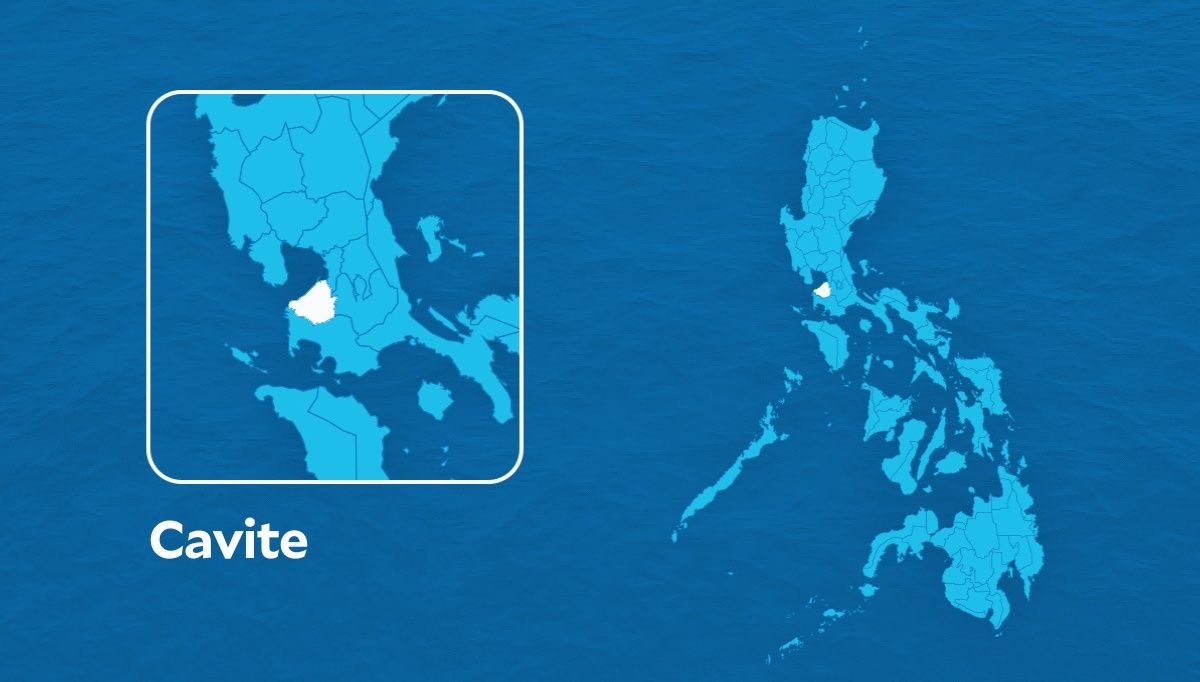
Authorities in the Philippines have successfully prevented what could have been a devastating school shooting after moving swiftly to intercept a Grade 10 student's alleged violent plan targeting General Mariano Alvarez Technical High School in General Mariano Alvarez, Cavite. The incident, which came to light on Tuesday, June 30, underscores the critical role played by educational institutions and community members in detecting and reporting concerning behaviour before it escalates into tragedy.
The Cavite Police Provincial Office received intelligence from vigilant school officials who had become aware of troubling indications regarding a student's intentions to conduct a shooting at the school premises. Upon receipt of this information, police officers initiated an immediate investigation, coordinating closely with the student's family and local barangay officials to assess the credibility and severity of the threat. This collaborative approach proved effective, as officers subsequently recovered an improvised, unregistered firearm during their follow-up operations, confirming that the threat possessed a material dimension beyond mere rhetoric.
According to reporting by a Manila-based news organisation, the alarm was initially raised by a teacher who discovered concerning online communications in which the Grade 10 student allegedly outlined plans to commit an attack inside the school on July 2. These digital footprints, preserved across social media or messaging platforms, provided investigators with concrete evidence of premeditation and intent. The fact that the specific date of the planned incident was mentioned in the communications suggests that the threat had progressed beyond vague ideation into actual operational planning, making the intervention all the more timely and consequential.
General Mariano Alvarez Technical High School issued a formal statement on June 28 acknowledging that it had received what officials described as "menacing information" relating to the student's alleged intentions. Rather than downplaying the concern or attempting to manage the matter internally, school leadership immediately engaged law enforcement authorities, demonstrating institutional responsibility and recognition that school safety issues require professional police involvement. The decision to coordinate with external agencies rather than handle the situation exclusively within school channels reflects best practices in threat assessment and prevention protocols that have been refined internationally following numerous school violence incidents.
The student, whose identity remains protected under Philippine law given his status as a minor, has been transferred to the Municipal Social Welfare and Development Office for appropriate intervention and assessment. This procedural approach aligns with the Juvenile Justice and Welfare Act, which emphasises rehabilitation and welfare considerations for young offenders rather than purely punitive responses. The transfer to social welfare authorities suggests that investigators and prosecutors recognised the importance of understanding the psychological, social, and environmental factors that may have contributed to the student's violent ideation and planning.
The Cavite Police Provincial Office has indicated that the investigation remains ongoing as authorities prepare the formal charges to be filed against the suspect in accordance with applicable Philippine laws. The nature and specific articles under which charges will be filed remain unclear at this stage, though the recovery of the improvised firearm likely triggers weapons-related offences in addition to any charges pertaining to threats or attempted violence. The decision regarding what formal charges to pursue will significantly influence the trajectory of the case through the Philippine juvenile justice system.
This incident carries particular significance for the broader Southeast Asian region, where school violence remains a comparatively rare but deeply concerning phenomenon. Unlike North America, where school shootings have become tragically routine, such incidents in the Philippines and neighbouring countries typically receive intensive media attention and trigger public discourse about youth psychology, access to weapons, and the adequacy of school security measures. The successful prevention of this potential tragedy offers a positive example of how institutional awareness and community cooperation can interrupt violent trajectories before loss of life occurs.
Police authorities have emphasised that the incident demonstrates the essential importance of maintaining open lines of communication between schools, families, barangay officials, and law enforcement agencies. The Cavite Police Provincial Office specifically commended the school's decision to report the threat promptly rather than attempting to resolve matters independently. This messaging serves an important public awareness function, encouraging other educational institutions across the Philippines to adopt similarly transparent reporting protocols when confronted with credible threat information.
The authorities have also urged members of the general public to report suspected threats of violence to appropriate agencies while simultaneously cautioning against the spread of unverified information or the disclosure of identities of minors involved in criminal investigations. This dual messaging reflects the delicate balance between promoting community vigilance and protecting individual privacy rights, particularly for young people involved in legal proceedings. The circulation of a minor's name or image in connection with a criminal investigation can result in lasting reputational harm even if charges are ultimately dropped or the individual is acquitted.
The Cavite Police Provincial Office has reaffirmed its commitment to protecting students, schools, and communities through proactive policing strategies, swift responsive action to reported threats, and rigorous enforcement of applicable laws. As the Philippines continues to grapple with broader questions about youth violence, substance abuse, and access to weapons, cases such as this one highlight the potential for institutional mechanisms and community cooperation to prevent tragedies. The challenge moving forward will be ensuring that such prevention protocols are consistently applied across the thousands of schools throughout the country, many of which may lack the resources or institutional capacity that General Mariano Alvarez Technical High School demonstrated in this instance.

