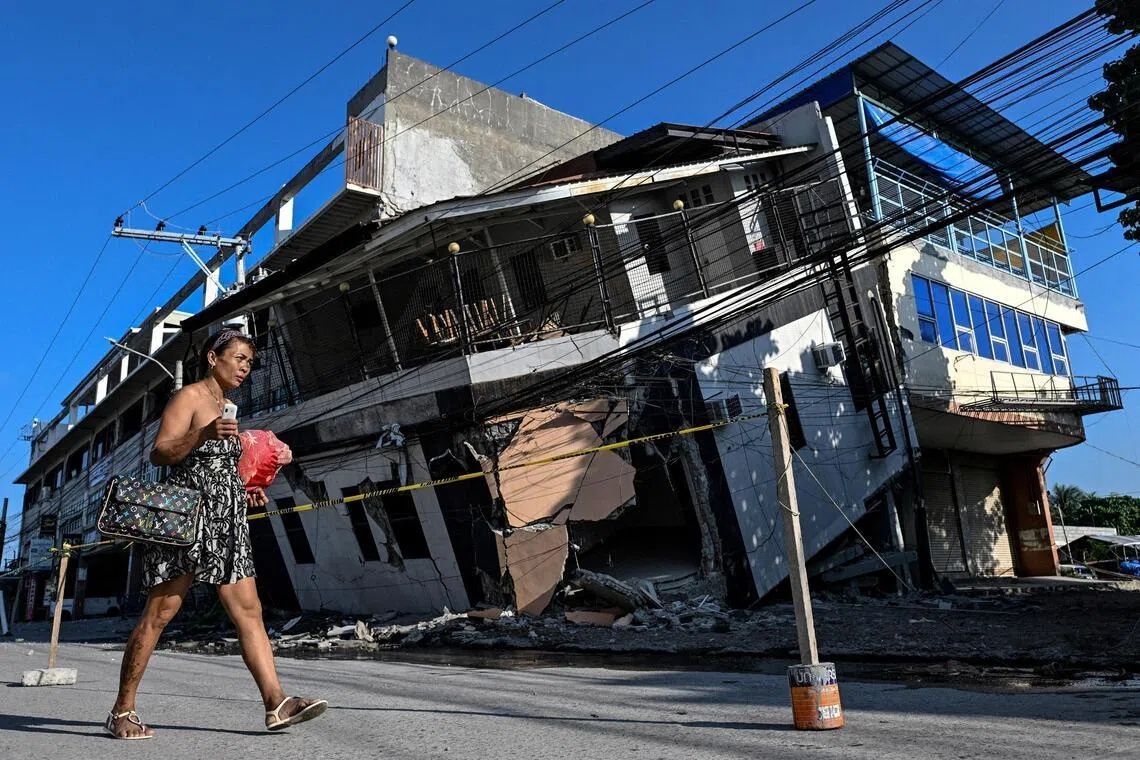
Arsenio Butil Jr., a fisherman and pastor in Glan, Sarangani province, found himself witnessing one of nature's most dramatic transformations when the June 8 earthquake struck the southern Philippines. As the ground trembled with a magnitude of 7.8, driven by tectonic movement along the Cotabato Trench, he watched the familiar shoreline he had known his entire life shift before his eyes. Vast stretches of coral reef that had always remained submerged suddenly broke through the water's surface, creating a jagged new boundary between land and sea where none had existed moments before.
The seismic event, originating from the Cotabato Trench positioned just 50 kilometres off Mindanao's coast, proved to be far more than a destructive tremor. Beyond claiming at least 76 lives and toppling buildings across the island, the earthquake triggered a geological phenomenon known as coastal uplift, in which tectonic forces literally thrust the earth upward. According to Nane Danlag, a scientist with the Philippines' seismology centre, the seabed rose approximately two metres, extending some stretches of shore outward by as much as 200 metres in initial assessments. This transformation affected a coastal belt spanning nearly 100 kilometres between two towns, making it one of the most visually striking consequences of the disaster.
For residents and workers who had spent their entire lives navigating these waters, the changes proved jarring and disorienting. Butil Jr. described watching the water recede multiple times during the quake itself, an effect he counted occurring three or four times. Fish died and floated in the retreating waters, a visual symbol of the ecological upheaval that accompanied the geological shift. Fishing vessels that had once bobbed at the water's edge found themselves beached on the wrong side of a wall of dead coral, their operators unable to access the sea without traversing the jagged, newly exposed seabed. The resort industry, heavily dependent on the appeal of pristine beaches, faced its own reckoning as white sand shores became separated from the water by ugly expanses of exposed reef.
Danlag emphasised to international media that this permanent alteration represented a natural geological process that had been occurring for thousands of years along this tectonically active zone. The Cotabato Trench marks a boundary where the earth's crust continuously shifts and moves, with the June 8 event representing merely the most recent dramatic manifestation of forces that operate continuously beneath the surface. In January, the region had recorded a swarm of thousands of small tremors, prompting a UN disaster risk reduction report released in mid-May to suggest such activity might presage a major seismic event—a warning that proved tragically prescient.
Beyond the immediate physical transformation, the earthquake sparked profound psychological and economic tremors within affected communities. About 100 residents from one neighbouring village, comprising fishermen and their families, remained encamped in the hills above their former homes weeks after the disaster, having fled to higher ground when the quake struck. Datu Atom Malimpnig, a Maguindanaon chieftain, explained that the newly exposed seabed had convinced these families that returning to their destroyed homes represented an unacceptable risk. Many harboured persistent fears that the ocean might surge forward in a delayed tsunami response, a concern that kept them anchored to their hilltop refuge despite the hardships of displacement. Government relief workers provided basic sustenance, but material assistance could not allay the deeper anxiety about the transformed seascape.
The economic implications extended across multiple sectors dependent on coastal access and marine resources. Edzel Baylon, working at the Isla Jardin del Mar resort, articulated the commercial devastation wrought by the altered coastline. For an establishment whose primary marketing appeal centred on the experience of white sand beaches and easy sea access, the emergence of exposed coral created an insurmountable obstacle. What had once been inviting waters now proved too shallow for swimming, transforming the beachfront from an asset into a liability. Tourism operators faced the prospect of season after season with diminished appeal, unable to restore the feature that had drawn visitors to their shores.
Butil Jr. himself remained reluctant to contemplate rebuilding efforts despite weeks having passed since the initial quake. The visible damage to the earth itself—long cracks splitting the ground—suggested that another major earthquake could strike with little warning. This legitimate concern about structural integrity and seismic vulnerability transformed the question of reconstruction from a simple matter of replacing destroyed buildings into a deeper philosophical question about whether the location remained safe for habitation. The psychological burden of living on a landscape that had proven so dramatically unstable made the prospect of investing in rebuilding feel premature and potentially foolish.
The seismic activity showed no signs of abating. Since the June 8 quake, the Philippines' seismology agency recorded more than 8,500 aftershocks rattling the region, a continuing reminder that the geological forces that had wrought such visible change remained active and unpredictable. Even as Butil Jr. considered the path forward for his community, another tremor registering 5.4 in magnitude shook the ground beneath his feet, underscoring the precarious conditions facing those attempting to return to normalcy. Each aftershock reinforced the sense that the region remained geologically volatile, testing the nerve and resolve of communities trying to move forward.
For Malaysia and other Southeast Asian nations, the Philippine earthquake offers instructive lessons about coastal vulnerability and disaster preparedness in a seismically active region. Much of Southeast Asia sits atop or adjacent to major fault lines and subduction zones, exposing millions to similar risks. The permanent transformation of the Philippine coastline illustrates how earthquakes can alter geography itself, creating cascading economic and social disruptions that extend far beyond the immediate death toll. Communities throughout the region relying on fishing, tourism, and maritime trade should examine these events as sobering reminders of nature's capacity to reshape landscapes and livelihoods without warning.

