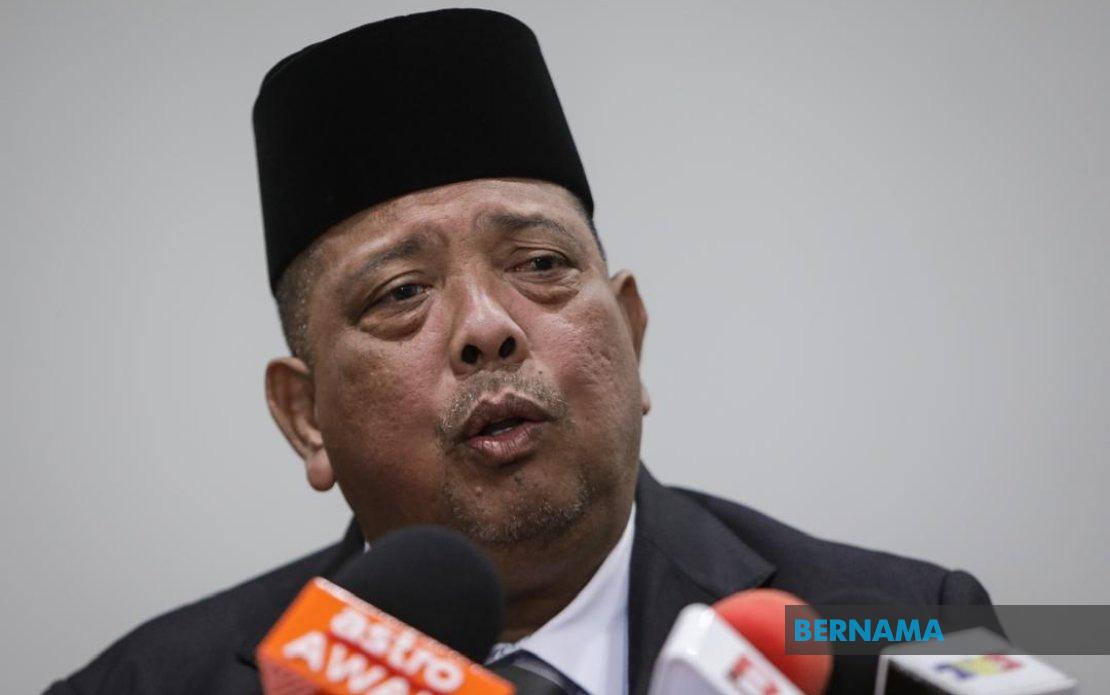
Perlis Menteri Besar Abu Bakar Hamzah has stepped down from his position on the Parti Pribumi Bersatu Malaysia (Bersatu) Supreme Leadership Council, announcing the decision at a ceremonial event in Kangar this week. The resignation, which was formally submitted to the party's central leadership the previous week, represents a calculated shift in priorities as the state administration enters its final year before the next election cycle.
Abu Bakar clarified that his departure from the council does not affect his standing within the broader party structure. He will continue to serve as the Perlis Bersatu state chief and retain control of the Kangar Bersatu division, maintaining his grassroots influence and party connections even as he relinquishes his place at the highest decision-making table. This distinction is significant in Malaysian politics, where state-level positions often carry considerable weight and autonomy.
The Menteri Besar attributed his resignation to the mounting demands of administering Perlis during a critical period. With approximately one year remaining in the current state legislative assembly term, Abu Bakar expressed his belief that he cannot adequately balance the responsibilities of a supreme council role with the intensive work required to meet his administration's key performance indicators and economic objectives. The emphasis on investor attraction suggests a deliberate strategy to boost economic credentials before facing voters in 2025.
This move comes just days after the Raja of Perlis, Tuanku Syed Sirajuddin Jamalullail, issued a formal decree at the opening of the state legislative assembly in early June. The royal directive requested that Abu Bakar be granted unhindered space to continue leading the state until the conclusion of the 15th state legislative assembly term. The timing of Abu Bakar's resignation aligns closely with this royal support, potentially reflecting a coordinated approach to remove external distractions from state governance.
The announcement was made during a notable cross-border diplomatic event at the Kuala Perlis Concourse Building Jetty, where officials welcomed a delegation from Thailand's Satun Province. The occasion marked the formal resumption of the Kuala Perlis-Satun ferry service, a crucial transportation link that had remained suspended since the onset of the COVID-19 pandemic. Such regional connectivity initiatives are vital for northern Malaysian states seeking to integrate with neighboring economies and enhance trade prospects.
Indications suggest that Abu Bakar is not alone in his decision to realign his political commitments. The Menteri Besar mentioned that Sena assemblyman and Perlis state executive councillor Datin Marzita Mansor had similarly resigned from her position as a Bersatu Supreme Leadership Council member. While Bernama could not independently verify Marzita's resignation at the time of reporting, the parallel moves by multiple state leaders suggest a broader pattern within Perlis Bersatu of prioritizing state-level responsibilities over central party structures.
For Malaysian political observers, the resignation carries broader implications about the balance between state and federal party authority. Bersatu, which has evolved significantly since its formation and subsequent merger discussions with other coalitions, has struggled to maintain unified direction across its state chapters. The willingness of senior state figures to voluntarily step back from central councils could indicate either frustration with federal-level coordination or a pragmatic recognition that state electoral success requires undivided attention.
The timing is also noteworthy given the Malaysian political landscape's volatility in recent years. Perlis, traditionally a compact state with distinctive political dynamics, has sought to establish itself as an economically progressive entity under Abu Bakar's leadership. The ferry service resumption symbolizes this outward-looking orientation, emphasizing cross-border cooperation and regional development as core administration themes. By removing himself from supreme council distractions, the Menteri Besar is signaling that these economic and administrative goals take precedence over national party politics.
The resignation reflects a pragmatic understanding of political capital and electoral cycles. With elections expected in 2025, state leaders across Malaysia are increasingly conscious that voters prioritize local development, economic opportunities, and responsive governance over higher-level party machinery. Abu Bakar's decision to concentrate fully on these deliverables rather than splitting focus between state administration and national party councils demonstrates a voter-centric calculation about where political legitimacy is ultimately earned.
Bersatu, meanwhile, faces continued questions about how to maintain coherence across its state apparatus while allowing regional leaders sufficient autonomy to deliver on local mandates. The party's trajectory since its founding has involved multiple realignments and coalition negotiations, sometimes creating friction between central directives and state-level priorities. Abu Bakar's departure from the Supreme Leadership Council may provide breathing room for Perlis governance while potentially raising questions about coordination between state and federal party structures on broader policy matters.
The broader Southeast Asian context adds another dimension to these developments. Northern Malaysian states like Perlis occupy a distinctive position bridging domestic and regional considerations, with Thailand serving as both economic partner and cultural neighbor. The restoration of the Satun ferry service, celebrated during Abu Bakar's announcement, underscores how state leaders increasingly view cross-border integration as central to economic competitiveness. By clearing his calendar of supreme council obligations, Abu Bakar is positioning himself to more actively pursue such regional opportunities that could distinguish Perlis in Malaysia's competitive state development landscape.

