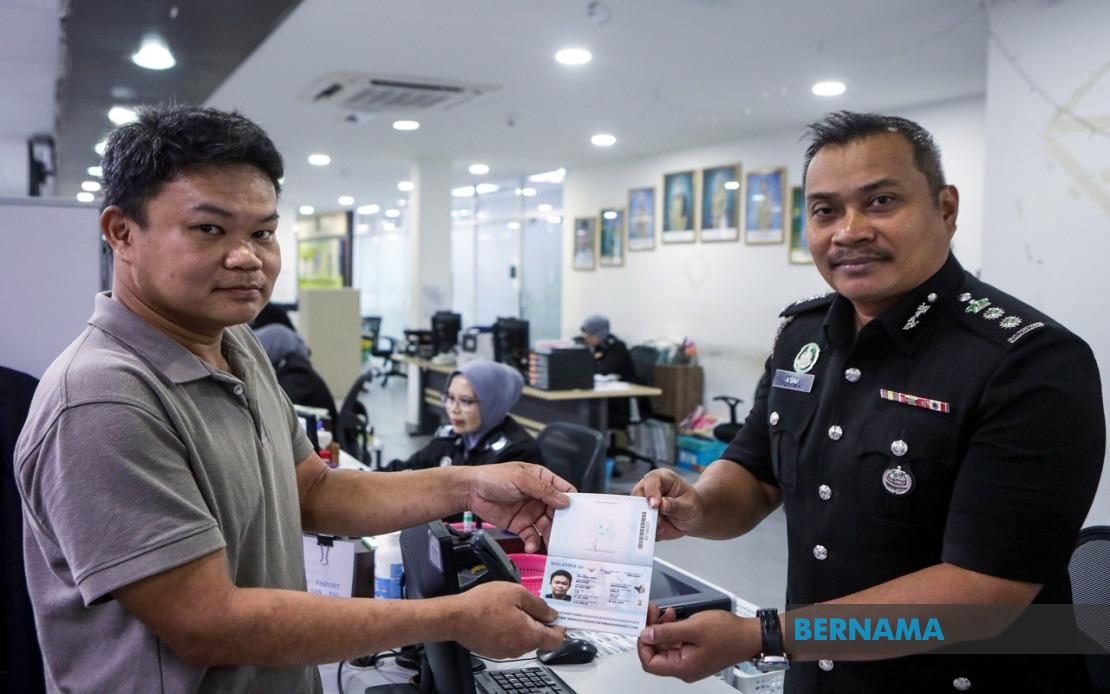
The Perlis Immigration Department commenced issuing the new Malaysian International Passport on July 20, marking the beginning of a phased national rollout of travel documents embedded with significantly enhanced security mechanisms. The new passport incorporates 94 distinct security features designed to combat forgery and fraud, representing a substantial upgrade from its predecessor. This expansion of the passport programme in Malaysia's northernmost state follows the successful installation of specialised passport printing equipment and comes less than a month after Prime Minister Datuk Seri Anwar Ibrahim formally introduced the document to the public on June 30.
According to Perlis Immigration director Mohammad A'sim Md Ali, the initial phase of the new passport issuance is operating exclusively from the Immigration Office housed within the Kangar Urban Transformation Centre. This centralised approach allows the department to manage quality control and ensure consistency during the transition period. The director indicated that a second printing facility will be established at the Perlis Ministry of Home Affairs Complex in Kangar, pending completion of necessary infrastructure upgrades and service counter modifications. These renovations are anticipated to conclude by October, at which point capacity for passport applications and processing is expected to increase substantially throughout the state.
The Malaysian government introduced the new passport system with deliberately flexible options to accommodate varying traveller needs and circumstances. Citizens aged 18 and above became eligible to apply from July 1, with the choice to select either a five-year or ten-year validity period when submitting their applications. This dual-validity structure represents a meaningful departure from previous standardised passport terms, offering greater flexibility for younger citizens who may anticipate changes in their travel frequency or lifestyle circumstances. The extended ten-year option particularly benefits frequent business travellers and professionals who maintain consistent international engagements.
Public reception to the new passport in Perlis has reportedly been positive during its opening days of availability. The Immigration Department attributed this encouraging response to awareness campaigns and the perceived value of enhanced security features, which address growing concerns about document fraud in an increasingly digitised travel landscape. Early adoption rates suggest that Malaysians recognise the practical benefits of upgraded security standards, even as they navigate the transition from familiar passport designs.
Statistical data from Perlis Immigration reveals the broader pattern of travel document demand across the state. Between January 1 and July 17, the department processed and issued 31,722 travel documents in total. This figure comprised 6,918 conventional passports, 72 Restricted Travel Documents designated for individuals with specific travel limitations, and 24,732 Border Passes utilised for frequent cross-border movements within ASEAN nations and bilateral agreements. These numbers demonstrate the diverse portfolio of travel authorisation that Malaysian immigration authorities manage, with border passes constituting the largest category of issuances in Perlis, likely reflecting the state's proximity to the Thai border and regional trading patterns.
The new passport initiative represents a strategic investment in Malaysia's travel security infrastructure at a time of heightened global concerns about document integrity and identity fraud. The 94 embedded security features employ multiple layers of protection, including biometric integration, advanced printing techniques, and sophisticated verification markers visible only under specialised equipment. Such comprehensive security measures align Malaysia with international standards established by the International Civil Aviation Organization, enhancing the credibility of Malaysian travel documents in foreign immigration systems and reducing processing delays at international borders.
From a practical standpoint, the rollout strategy beginning with Perlis allows the immigration authorities to refine operational procedures and staff training protocols before nationwide expansion. This measured approach minimises disruption to the broader travel document issuance system while permitting technicians to address any technical issues with the new printing machinery. The experience gained in Perlis will inform implementation timelines for other states, potentially accelerating deployment once centralised systems are operational.
For Malaysian travellers in the northern region, the availability of the new passport addresses longstanding frustrations with delays and bureaucratic inefficiencies. The enhanced security features also provide psychological assurance when travelling internationally, particularly to countries with rigorous document verification protocols. Business professionals engaged in regional trade within Southeast Asia benefit from streamlined border crossing procedures as foreign authorities develop familiarity with the new passport's security specifications.
The timing of the Perlis rollout carries implications for Malaysia's position within the ASEAN community. Enhanced travel document security demonstrates Malaysia's commitment to regional standards and counterterrorism objectives, supporting the Association's broader agenda of secure yet seamless cross-border movement. As other ASEAN nations upgrade their own passport systems, Malaysia's proactive approach positions it as a credible partner in regional security initiatives.
Looking forward, the October installation of the second printing facility in Perlis represents a critical infrastructure milestone. Once operational, this facility will substantially reduce processing times for passport applications, eliminating the current bottleneck created by centralised production. Citizens requiring urgent renewal or new passports will experience faster service delivery, potentially reducing applications to other immigration offices in neighbouring states.
The broader national rollout of the new Malaysian International Passport reflects government commitment to modernising public service delivery and strengthening border security simultaneously. As Perlis leads this transition, other states will progressively adopt the new system, eventually creating a unified national passport infrastructure. This gradual but systematic approach balances the need for comprehensive change with practical considerations around capacity and training, ensuring that Malaysia's immigration system remains efficient throughout the transformation period.

