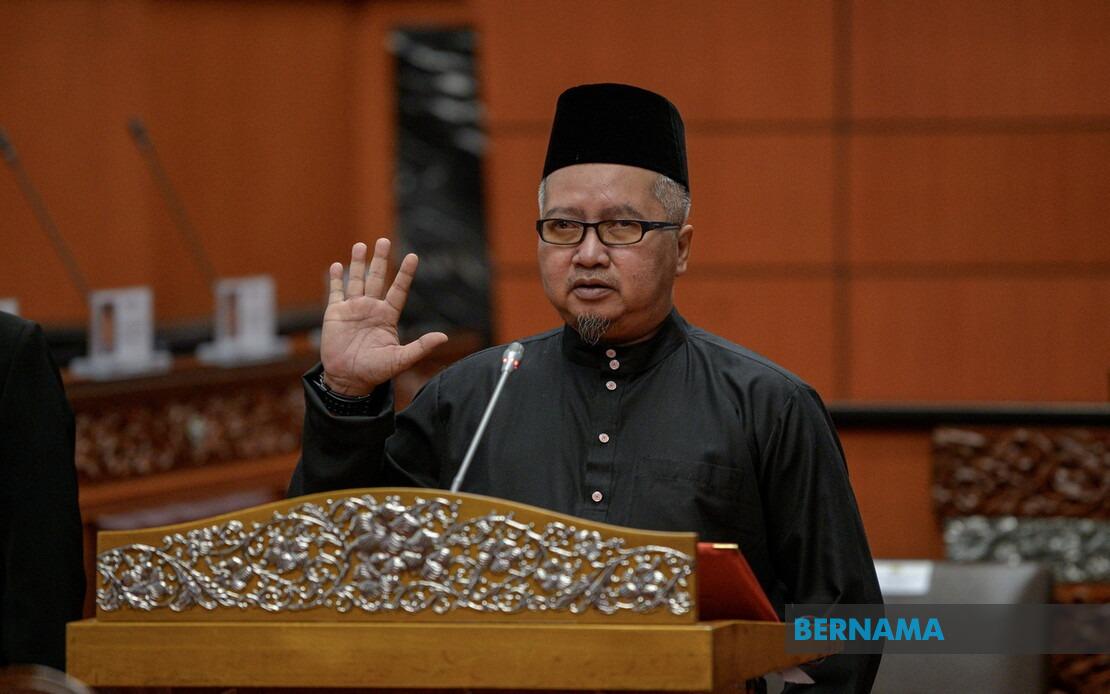
Senator Azahar Hassan, the Perlis secretary of Parti Pribumi Bersatu Malaysia, formally announced his departure from the party on July 9, citing careful deliberation and evolving circumstances as reasons for his immediate withdrawal from all affiliated roles. His resignation marks another significant shift within Bersatu's state-level structure, coming roughly nine months after his appointment as a Senator by the Perlis State Legislative Assembly in October 2024.
The announcement, issued through an official statement, emphasised that Azahar's decision reflected deeper considerations about his political trajectory and ideological alignment. He articulated that the move aligned with his core convictions and personal assessment of the political landscape, signalling that philosophical differences rather than isolated grievances prompted his departure. The measured tone of his statement suggests a carefully considered decision rather than a sudden or reactive step.
Despite stepping away from party machinery, Azahar committed to fulfilling his Senate obligations, assuring constituents that his departure from Bersatu would not diminish his service to Perlis residents. This distinction between party membership and legislative responsibility reflects a common practice among Malaysian politicians who maintain their parliamentary or state assembly roles while shifting party affiliations or withdrawing from party structures entirely. Such arrangements allow representatives to continue serving without the constraints or expectations of party membership.
Azahar's resignation arrives during a period of considerable flux within Malaysia's political ecosystem, particularly at the state level where regional dynamics often diverge significantly from national party directives. Perlis, as one of Malaysia's smaller states, has witnessed notable shifts in political allegiances and internal party dynamics over recent years. Changes within state-level party leadership frequently signal broader tensions between grassroots political movements and centralised party administration.
Bersatu, as the primary component of the ruling coalition under Pakatan Harapan, has experienced several internal adjustments at state and district levels as party leaders recalibrate their positions within the evolving political framework. The party, which positions itself as representing Bumiputera interests and populist governance, has maintained its significance within the coalition structure despite occasional departures and repositioning by state-level figures. Azahar's exit adds to a pattern of individual reassessments within the party's organisational hierarchy.
The timing of such resignations often carries implications for regional political calculations. State secretaries occupy crucial positions within party structures, responsible for administrative functions, member coordination, and communication between state-level and national party hierarchies. The departure of someone holding such a position necessitates reorganisation and may trigger broader discussions about party direction and strategy within Perlis.
Senators appointed through state assemblies typically serve fixed terms and represent their appointing bodies rather than direct electoral constituencies. Azahar's decision to retain his Senate seat while leaving Bersatu suggests confidence in his ability to represent Perlis's interests independently, or potentially signals his intention to explore alternative political frameworks without abandoning his legislative platform. This approach preserves his institutional position while creating space for future political repositioning.
For Malaysian political observers, such movements underscore the complexity of Malaysia's multi-layered federal system, where state-level politics frequently operate according to distinct rhythms and power structures compared to national party machinations. Perlis, despite its modest size, participates fully in Malaysia's sophisticated federal architecture and contributes meaningfully to both state and national governance conversations. Individual resignations at state level can presage broader coalition adjustments or signal changing voter sentiment.
Azahar's departure may also reflect practical considerations about resource allocation and political effectiveness within Perlis. State party secretaries must balance multiple roles, including organising grassroots membership, fundraising, managing internal disputes, and advancing party interests within state government or opposition structures. When such roles appear burdensome or misaligned with personal ambitions, senior figures frequently opt to relinquish them while maintaining other positions.
The decision carries potential implications for Bersatu's organisational strength in Perlis specifically and possibly for the ruling coalition's broader positioning within the state. Party secretaries supervise crucial administrative and mobilisation functions, and their departure creates vacuum periods where operational continuity may suffer. Whether Bersatu's Perlis leadership moves quickly to appoint a successor or restructures the position will indicate how seriously the party regards the transition.
Movements of this nature reflect the fluid nature of Malaysian politics at state level, where individual politicians frequently reassess their party affiliations, roles, and strategic directions in response to changing circumstances, personal ambitions, or ideological shifts. Azahar's choice to preserve his Senate position while departing the party structure represents a pragmatic approach that allows him to continue public service while exploring alternative political pathways.
As Malaysia's political landscape continues evolving, particularly following periodic state-level adjustments and coalition recalibrations, resignations like Azahar's serve as indicators of shifting internal party dynamics and individual calculations about political viability. His decision ultimately reflects the ongoing process through which Malaysian politicians navigate between partisan loyalty, personal principles, and constituent responsibility.

