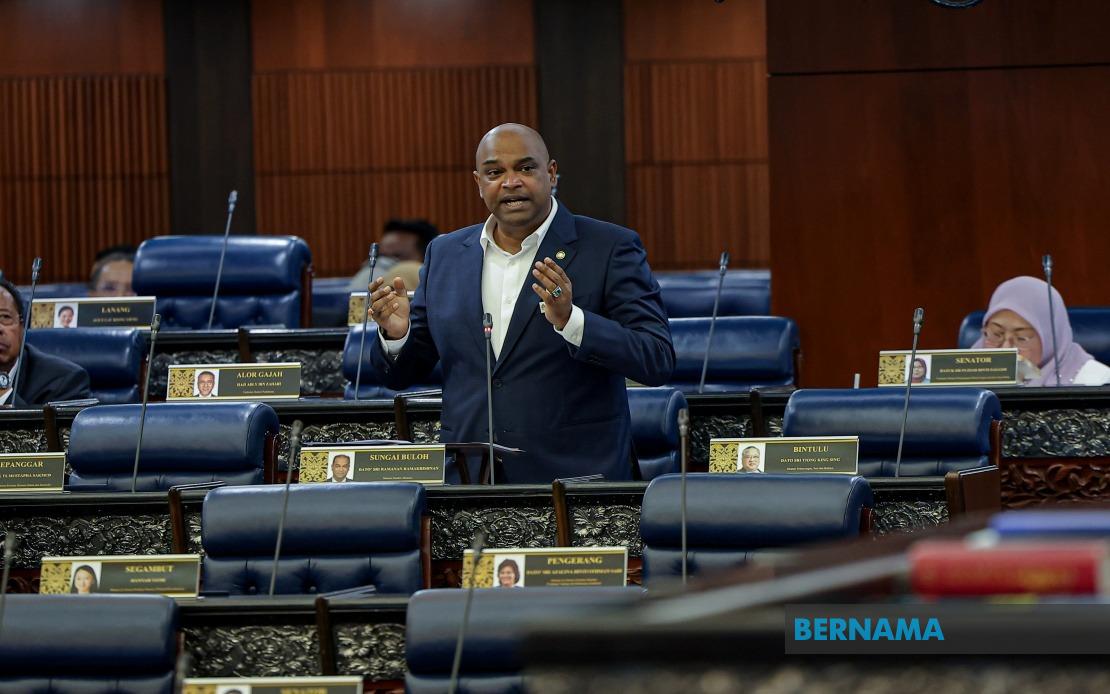
Malaysia's Social Security Organisation (PERKESO) has demonstrated robust service delivery capacity, recording a compliance rate exceeding 96 per cent in processing claims and benefit payments for contributors during the past year. Human Resources Minister Datuk Seri R. Ramanan unveiled these figures in the Dewan Rakyat, highlighting the organisation's commitment to timely benefit distribution across its multiple protection schemes.
The achievement reflects the implementation of more demanding Customer Charter standards that took effect from the previous year. These revised benchmarks now apply comprehensively across the LINDUNG Pekerja scheme for traditional employees, the LINDUNG Kendiri programme for self-employed individuals, and the LINDUNG Kasih social assistance initiative. The stricter timelines establish clear expectations for processing speed once contributors submit complete documentation, creating measurable accountability within PERKESO's operations.
Processing timelines vary depending on the benefit category and scheme involved. For straightforward claims such as Funeral Benefit and Temporary Disablement Benefit, PERKESO must complete processing within two days of receiving all required documents. More complex cases involving Permanent Disablement Benefit, Invalidity Pension, Survivor's Pension and Dependant's Benefit receive extended processing periods of three days. These differentiated timelines acknowledge the varying complexity of medical assessments and documentation verification required for different claim types.
The newer LINDUNG Kerjaya scheme, which focuses on workplace accident protection and rehabilitation, operates under even tighter performance standards introduced for 2025. Under this refreshed Customer Charter, all benefit claims under the scheme must be processed within two working days from when complete applications arrive at PERKESO offices. Remarkably, PERKESO's performance against this ambitious target has reached 99.68 per cent compliance, substantially exceeding the broader organisational average.
Digitalisation initiatives form a cornerstone of PERKESO's service improvement strategy. The LINDUNG Faedah PERKESO portal allows contributors to submit applications and track claim status online, reducing physical visits to offices and paperwork processing delays. The newly implemented 1Best system, fully deployed during the current year, represents a significant upgrade to PERKESO's internal claims processing infrastructure. These technological investments signal the organisation's recognition that Malaysian workers increasingly expect digital-first service delivery options.
The PRIHATIN application extends digital accessibility by providing contributors convenient access to comprehensive information about PERKESO services and scheme requirements through their mobile devices. This self-service information capability reduces unnecessary enquiries to call centres and helps contributors prepare complete applications from the outset, directly supporting the achievement of faster processing timelines. The emphasis on accessibility reflects broader government initiatives to make social security information more transparent and user-friendly across the workforce.
Beyond digital tools, PERKESO has established the Prihatin Squad (SPP) to provide on-ground support to contributors and beneficiaries navigating the claims process. These advisory teams offer guidance at critical points, helping claimants understand requirements, gather necessary documentation and avoid common submission errors. The human element of this support mechanism proves particularly valuable for older workers, self-employed individuals and rural contributors who may face greater barriers accessing online systems or understanding complex procedural requirements.
For workplace accident cases, which often require urgent intervention, PERKESO has strengthened coordination with hospitals through the INSPIRE System. This direct electronic linkage enables hospitals to transmit accident notifications and initial medical assessments directly to PERKESO, eliminating manual information transfer delays. For genuinely urgent situations requiring immediate benefit advancement, PERKESO has streamlined procedures to complete processing within 24 hours, recognising that injured workers face immediate financial pressures while recovery occurs.
Claim verification processes have evolved to balance speed with accuracy and fraud prevention. PERKESO employs artificial intelligence systems for preliminary claim screening, enabling rapid identification of documents that meet submission requirements and initial eligibility filters. However, the organisation maintains mandatory manual verification as a secondary quality control layer before approving any claim. This dual-layer approach prevents both legitimate claims from being delayed by overly rigid automated rules and fraudulent submissions from slipping through. The minister's explanation addresses growing expectations that organisations deploy AI responsibly rather than relying solely on automated decision-making for benefit determinations affecting vulnerable populations.
For Malaysian contributors and their families, these improvements carry practical significance. Funeral expenses require swift processing to cover burial costs, making the two-day timeline for funeral benefits especially important during periods of grief. Workers suffering temporary disablement face immediate income loss, making rapid benefit payment crucial for household financial stability. The enhanced processing standards and digitalisation efforts translate to reduced uncertainty during difficult circumstances when contributors need security most.
The compliance figures also carry implications for Malaysia's broader social security ecosystem. PERKESO serves as the primary protection provider for millions of formal sector workers and self-employed individuals, making service reliability essential to public confidence in the social safety net. Strong compliance rates demonstrate that the organisation has successfully scaled improvements across a complex, geographically distributed operation serving diverse contributor groups with varying documentation capacity and digital literacy. This scalability matters as PERKESO continues expanding coverage to include additional worker categories and exploring integration with complementary government assistance schemes.
Looking forward, PERKESO faces ongoing pressure to maintain service improvements while managing rising claim volumes and introducing additional protective coverage. The 2025 focus on the LINDUNG Kerjaya scheme reflects government emphasis on workplace accident prevention and rehabilitation, but expanding this scheme will require PERKESO to sustain its processing performance even as case loads increase. The technological investments already deployed provide foundation for this growth, though continued staff training and system enhancement will remain necessary.
The minister's parliamentary response indicates government commitment to transparency regarding social security service delivery, directly addressing a member's substantive questions about processing periods and operational modernisation. This accountability reflects evolving expectations that public institutions routinely publish performance data and explain procedural improvements, setting standards that other government agencies increasingly face from legislators and constituents seeking measurable evidence of service improvement.

