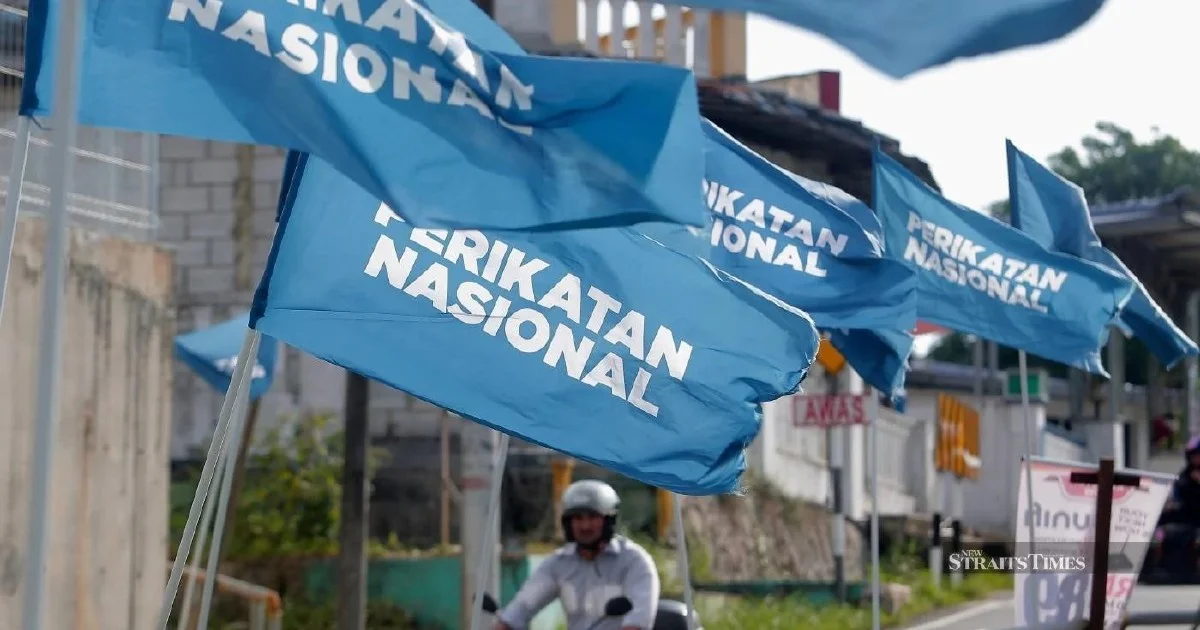
Perikatan Nasional (PN) has moved swiftly to counter misleading narratives about its participation in the forthcoming Johor state election, with deputy chairman P. Punithan publicly denouncing a fraudulent statement that has spread rapidly across social media platforms. The coalition's firm rejection of these claims underscores the intensifying information warfare that has become a hallmark of Malaysian electoral politics in recent years.
The viral statement in question suggested that PN would voluntarily withdraw from the Johor contest, a development that would have significant implications for the political landscape in one of Malaysia's largest and most influential states. P. Punithan's categorical dismissal of the rumour reflects PN's commitment to contesting electoral battles comprehensively across the nation, particularly in strategically important territories like Johor. Such false narratives can undermine public confidence in political parties and create unnecessary confusion among voters during crucial electoral periods.
The emergence and rapid dissemination of fabricated political statements highlights the vulnerability of the Malaysian information ecosystem to misinformation campaigns. In an era where social media algorithms amplify sensational content regardless of veracity, unsubstantiated claims can gain traction before official denials reach broader audiences. This asymmetry between the speed of rumour propagation and the pace of fact-checking creates a challenging environment for political organisations attempting to maintain their credibility and public messaging.
Johor represents a particularly significant electoral battleground in Malaysia's political firmament. As the nation's second-largest state by population and a traditional stronghold of established political interests, contests in Johor attract outsized attention from political observers and media analysts. The state's electoral outcomes frequently carry implications extending beyond its borders, influencing perceptions of broader political momentum and institutional stability. PN's determination to participate fully in Johor elections reflects its ambitions to challenge established power structures and expand its territorial influence.
For PN specifically, the upcoming Johor election presents both opportunities and challenges. The coalition has experienced significant growth and reorganisation following Malaysia's complex political transitions in recent years, repositioning itself as a viable alternative to long-dominant coalitions. However, credibility concerns arising from misinformation about its electoral intentions could undermine its broader political strategy. Voters require clear, reliable information about which parties intend to contest which seats, as this shapes strategic voting calculations and coalition-building dynamics.
The deliberate or accidental creation and circulation of false political statements raises important questions about electoral integrity and information governance. When fabricated claims about major political entities circulate unchecked, they erode the foundations of informed democratic participation. P. Punithan's public intervention attempts to restore accurate information to the public sphere, yet such corrective messaging often struggles to reach audiences who encountered the original misinformation first.
For Malaysian voters monitoring Johor politics closely, the distinction between PN's actual electoral strategy and viral misinformation about that strategy carries genuine importance. Clear communication from political parties about their intentions, candidate selections, and campaign priorities should emanate from verified official channels rather than taking shape through unverified social media claims. The coalition's response to these rumours signals its understanding that active counter-messaging represents a necessary component of modern political communication.
The broader context of regional Malaysian politics suggests that Johor's electoral dynamics will influence calculations across multiple coalitions and political formations. Any uncertainty about whether major political actors intend to participate introduces instability into the electoral calculus that other parties must navigate. PN's unambiguous assertion that it will contest the election helps restore clarity to this complicated political environment and demonstrates the coalition's confidence in its competitive position.
P. Punithan's intervention also reflects internal PN communications protocols regarding how the coalition responds to external challenges and misinformation directed toward its leadership and interests. Swift, authoritative denial of false claims prevents rumours from gaining credibility through extended silence or delayed responses. In contemporary Malaysian politics, where social media amplifies messaging rapidly, parties must maintain responsive communications capacities to counter narratives that threaten their public positioning.
The circulation of fabricated political statements about electoral participation raises implications for how Southeast Asian democracies manage information integrity during election cycles. Malaysia, like neighbouring nations, grapples with balancing open information environments against the need to prevent systematic misinformation campaigns that could undermine electoral legitimacy. PN's public rebuttal of these false claims represents one dimension of ongoing efforts to maintain information integrity within the Malaysian political sphere.
Looking forward, the Johor election will undoubtedly feature PN's robust participation alongside other major coalitions and political entities competing for electoral advantage. The coalition's forceful rejection of speculation about withdrawal or boycotts confirms its intention to mount comprehensive campaigns across the state's constituencies. As campaign seasons intensify, voters should expect both authentic political messaging and potential misinformation, making reliance on verified sources increasingly valuable for informed electoral decision-making.