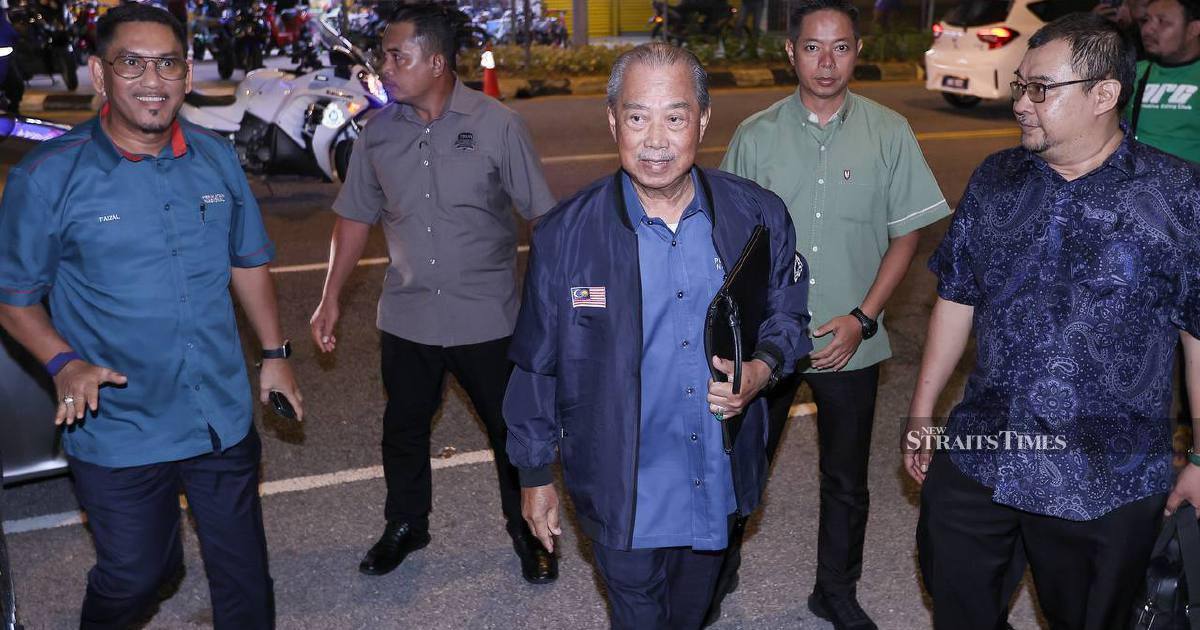
Senior figures from Perikatan Nasional descended upon the PAS headquarters in Kuala Lumpur tonight for an unscheduled emergency Supreme Council meeting, underscoring mounting pressures within the Islamist-led coalition at a critical juncture for Malaysian politics. The impromptu gathering, convened with relatively short notice, marks another chapter in the coalition's turbulent relationship as it grapples with strategic challenges and internal coordination amid rapidly shifting political dynamics.
The decision to hold an emergency session rather than await a scheduled meeting suggests that coalition leadership has identified matters requiring immediate discussion and consensus-building. Such convocations typically indicate that party leaders have flagged developments deemed too urgent or sensitive to address through routine channels, whether these involve parliamentary tactics, internal disputes, or responses to external political threats that could destabilise the coalition's parliamentary position.
Perikatan Nasional has maintained a prominent role in Malaysian politics since its formation, bringing together PAS, the Pan-Malaysian Islamic Party as its anchor member, alongside other component parties. The coalition has been instrumental in shaping parliamentary dynamics, particularly given the fragmented nature of the current political landscape where no single party commands an outright majority, making coalition management and interparty coordination essential for legislative success.
Internal cohesion within multi-party coalitions has emerged as a persistent challenge in Malaysian politics, where component parties often harbour divergent policy priorities, organizational interests, and electoral calculations. The convening of an emergency session suggests that PN's leadership recognises the need to address potential fissures before they widen into irreconcilable divisions that could undermine the coalition's effectiveness in parliament and campaign readiness.
The timing of this emergency gathering carries particular significance given the Malaysian political calendar and upcoming electoral considerations. Opposition groups and rival coalitions have continuously sought to exploit perceived weaknesses within PN, and any public indication of internal tension could provide ammunition for political opponents to question the coalition's stability and governing capacity ahead of critical parliamentary votes and future electoral contests.
PAS, as the coalition's largest and most influential component, plays a central role in shaping PN's strategic direction and policy positions. The decision to host the emergency meeting at PAS headquarters underscores the party's leadership within the coalition structure, though it also raises questions about whether the party's dominance contributes to or resolves underlying tensions among coalition partners with different electoral bases and policy agendas.
Recent developments in Malaysian politics have created an increasingly volatile environment where parliamentary coalitions face constant pressure to maintain discipline and unity. With the government navigating complex legislative requirements and the opposition continuously probing for opportunities to exploit divisions, coalition leaders must balance multiple competing interests while presenting a unified front to voters and the international community.
The emergency nature of tonight's meeting suggests that coalition leaders identified specific trigger points requiring urgent attention rather than issues that could be deferred. Whether these involve parliamentary manoeuvres, personnel decisions, responses to opposition initiatives, or internal allocation of ministerial positions and influence remains unclear pending official statements from coalition representatives.
For Malaysian observers and analysts tracking coalition politics, emergency Supreme Council sessions serve as barometers of coalition health. The frequency and necessity of such meetings can indicate whether underlying structural challenges require fundamental resolution or whether parties can successfully manage disagreements through dialogue and compromise within existing frameworks.
The broader implications extend beyond PN's internal dynamics to influence the stability and effectiveness of Malaysian governance itself. Coalition instability ripples through parliamentary proceedings, affects policy implementation, and influences investor confidence in political continuity. Each emergency meeting carries potential consequences for legislative agendas and the government's capacity to advance its policy priorities without disruption from internal conflicts that demand senior leadership attention.
As Malaysian politics continues evolving, the coalition system—while offering representation to diverse constituencies and interests—demands constant management and negotiation to function effectively. Tonight's emergency gathering represents another test of PN's ability to maintain internal discipline and coordinate effectively among parties with distinct identities and sometimes competing interests, a challenge that will likely define coalition politics throughout the coming months.