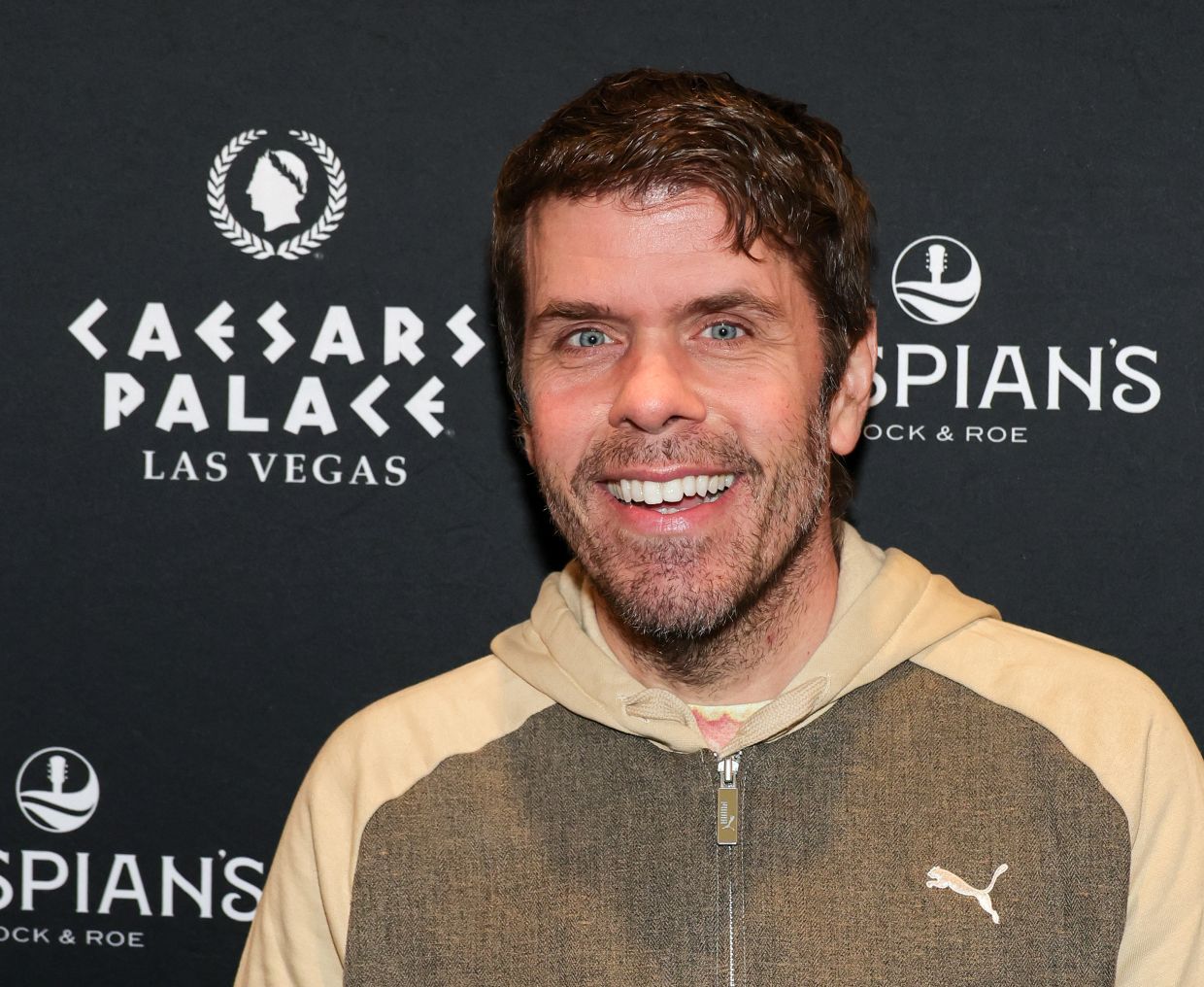
The family of Perez Hilton, the widely-known celebrity blogger, has made an emotional plea to members of the media and public to maintain distance from their Miami home, citing the wellbeing of his children who witnessed a severe mental health crisis that unfolded earlier this week. In a statement released Thursday on Hilton's website, relatives described the recent events as "nearly unbearable" and underscored the immediate need for the family to create a safe environment for recovery and healing.
The crisis came to a head on Tuesday evening when Hilton engaged in self-harm during a live broadcast on TikTok, an incident that alarmed viewers and prompted emergency calls to Miami police. The livestream showed the blogger harming himself repeatedly with sharp objects, prompting concerned fans and platform moderators to contact authorities. The Miami-Dade Sheriff's Office subsequently located Hilton at his residence and, around 9pm that night, confirmed that he had been "safely recovered and transported by Miami-Dade Fire Rescue to a local hospital, where he is receiving medical attention."
What makes this situation particularly distressing is the revelation that Hilton's three children, along with his niece and sister, were physically present in the home during the lead-up to and initial stages of the crisis. According to the family statement, they made the rapid decision to evacuate the younger family members from the premises the moment it became apparent that Hilton was experiencing a serious mental health emergency and engaging in self-injurious behaviour. This protective instinct, while necessary, exposed the children to a traumatic experience that now requires careful psychological support and intervention.
The family's statement placed paramount emphasis on the psychological recovery of the children and their urgent need to reestablish a sense of safety within their own home environment. They characterised this healing process as fundamental to the family's immediate future, noting that allowing the children to return home and gradually restore normalcy represents a critical step in their recovery journey. The appeal reflects the deep concern that ongoing media attention and paparazzi presence could further destabilise the children's emotional state and impede their ability to process what they witnessed.
The request for privacy extended beyond traditional media organisations to encompass paparazzi, content creators, and the general public, demonstrating the family's awareness of the multi-faceted nature of contemporary media scrutiny. In an era where anyone with a smartphone can become a documentarian, the family recognised that protection required a broader appeal for restraint from numerous potential sources of unwanted attention and intrusion. This nuanced approach reflects the complex digital landscape in which modern crises unfold and the difficulty in controlling narratives when multiple actors can disseminate information.
While specific details regarding Hilton's medical condition remain limited, the family disclosed that they have been able to confirm he maintains the ability to communicate, information that offered them a measure of reassurance during this extraordinarily challenging period. The fact that he can engage in conversation with medical professionals and loved ones suggests a degree of cognitive function that provided some hope to relatives anxiously monitoring his situation from afar. This detail, though modest, became significant in a context where the severity of his condition had prompted widespread concern.
Interestingly, on the same Thursday that the family released their privacy request, conservative political commentator Sean Hannity aired a pre-recorded episode featuring Hilton in which the blogger reflected on his controversial past and his attempts at personal redemption. During the conversation, Hilton acknowledged that his earlier career had been driven by an insatiable appetite for attention, which he characterised as analogous to addiction. He described himself as an "attention addict" and recognised that his compulsive pursuit of publicity had caused genuine harm to numerous celebrities whom he had targeted through his provocative blogging.
Hilton detailed his efforts to reconcile with individuals he had previously hurt, including pop icon Britney Spears and reality television personality Khloe Kardashian, both of whom he indicated had been receptive to his apologies. He also revealed a private reconciliation with actor Neil Patrick Harris, to whom he had made amends for his aggressive attempts in 2006 to publicly out Harris as gay before the actor had chosen to disclose his sexuality himself. These conversations apparently represented significant steps in what Hilton presented as a fundamental transformation in his personal ethics and professional conduct.
Hilton claimed to have undergone considerable personal evolution, arguing that he had developed the capacity to be entertaining without resorting to cruelty or what he termed "cheap" tactics that had characterised his earlier work. He acknowledged that his previous behaviour was morally indefensible, describing it as a burden he continues to carry. This self-awareness, whether sincere or performative, suggests at least an articulated recognition that his trajectory had caused damage requiring acknowledgment and correction.
The blogger's spiritual narrative gained prominence following a hospitalisation in March for severe sepsis that lasted three weeks. During that medical ordeal, Hilton reported experiencing what he interpreted as a profound spiritual encounter. This alleged religious awakening appears to have catalysed a broader shift in his public messaging and personal identity, including the launch of a religious merchandise line and regular discussions of biblical themes across podcast platforms. Whether this spiritual turn represents genuine conviction or represents another iteration of his well-documented attention-seeking behaviour remains a subject for individual interpretation.
For Malaysian and Southeast Asian readers, this story illuminates the transnational reach of digital media crises and the universal challenges families face when managing public scrutiny during mental health emergencies. The incident demonstrates how social media platforms can amplify personal crises into global spectacles within minutes, creating pressure on both media institutions and audiences to exercise restraint and compassion. The family's measured appeal for privacy also reflects broader conversations about media ethics and the responsibility of content creators and news organisations in an increasingly interconnected digital world where individual suffering can instantly become viral content.

