Workplace bullying allegations at a Perak school have prompted state education officials to seek a reconciliatory path forward, with both the institution's management and the affected teacher urged to prioritise dialogue over recrimination. The incident, which came to light through social media disclosures, involved a teacher at a Chemor-based school who reported experiencing intimidation, psychological distress and bullying between March and May. Rather than apportion blame, Perak's education authorities are pushing both parties to acknowledge each other's concerns and work within established Ministry of Education protocols to find lasting resolution.
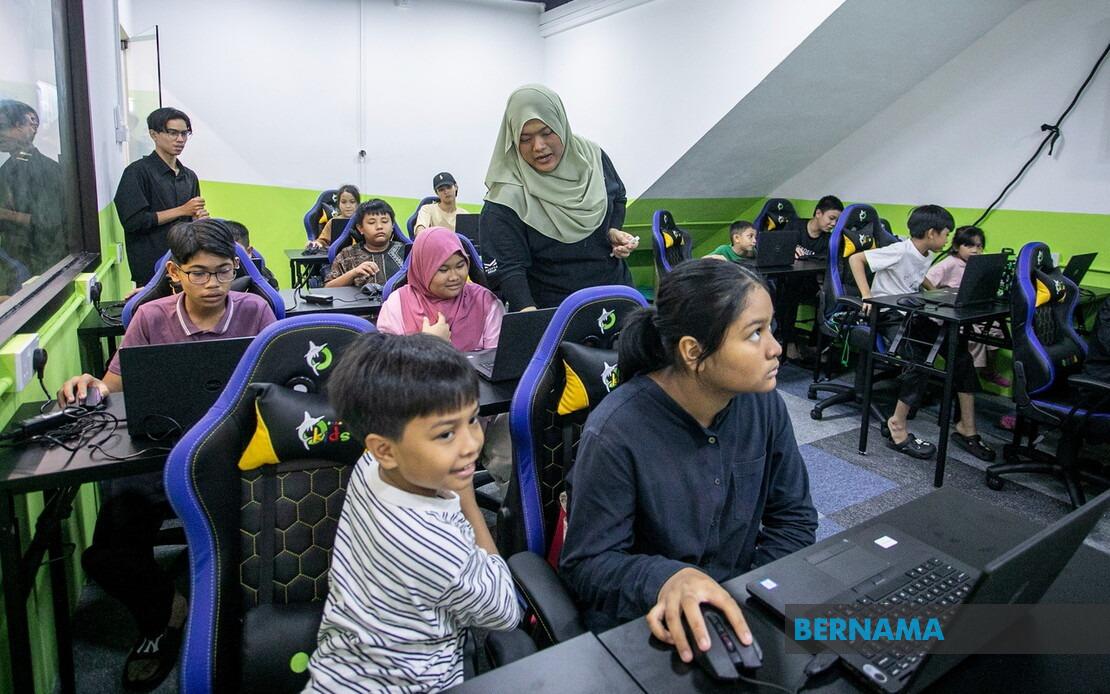
Datak Khairudin Abu Hanipah, chairman of Perak's Education, Higher Education, Youth and Sports Committee, emphasised that neither party bears sole responsibility for the dispute. In remarks made after inaugurating the Todak Academy Digital Education Hub in Ipoh, he stressed that the school administration and the teacher each operate within defined constraints and procedural frameworks. The committee chairman acknowledged that while the school must adhere to government circulars and operational guidelines, the teacher similarly must respect formal processes rather than seeking unilateral resolution through public channels. This balanced perspective reflects official recognition that educational institutions involve complex hierarchies and competing interests that cannot be resolved through confrontation alone.
An investigation into the allegations has already been completed by district and state education authorities, with findings documented in the Public Complaints Management System. Khairudin indicated that his office has reviewed the full investigation report, though he did not disclose specific recommendations or findings. The investigation's completion marks a critical juncture where authorities must determine whether the matter warrants administrative action, disciplinary proceedings, or institutional reform. The thoroughness of the inquiry process will be crucial in establishing credibility with both the complainant and school leadership, particularly given that the case gained significant traction on social media platforms.
A significant medical dimension underpins the dispute. The teacher has claimed to have experienced seizures as a consequence of workplace stress, linking her physical health deterioration directly to conditions at the school. However, Khairudin cautioned against drawing conclusions before medical evidence is properly verified. He noted that the teacher has sought professional medical treatment and that any assessment of the bullying allegations' severity must await the completion of medical documentation from her attending physician. This requirement for clinical validation reflects prudent administrative practice, as distinguishing between work-related stress reactions and pre-existing medical conditions requires professional expertise. Medical certification will substantially influence how authorities characterise the severity of the workplace environment and whether it constitutes a hostile or unsafe work setting.
Penolong Pengarah Pendidikan Perak, Zulkafli Mohamed Mokhtar, issued a formal statement reaffirming the state education department's commitment to addressing the complaint with professionalism and transparency. The department emphasised that it takes all grievances seriously and remains dedicated to protecting teacher welfare while maintaining institutional stability. The statement's careful language suggests that authorities seek to validate the teacher's right to complain whilst simultaneously reassuring school management and the broader education community that grievances are handled through legitimate channels rather than social media escalation. This dual messaging reflects the precarious balance authorities must maintain when addressing workplace disputes in educational settings where multiple stakeholder groups—students, parents, administrators, and educators—monitor developments closely.
Following initial disclosure in March 2026, the state education department has undertaken coordinated follow-up measures encompassing engagement sessions, operational reviews, ongoing monitoring, and inter-agency coordination. These multi-faceted interventions suggest that authorities recognised early the complexity of the situation and the need for sustained attention beyond a single investigation cycle. The involvement of both the state education department and district education office indicates institutional recognition that resolving workplace conflicts requires layered oversight and multiple touchpoints for communication. The department's commitment to continuous monitoring suggests that initial investigation findings may have revealed systemic issues warranting sustained institutional attention rather than one-off corrective action.
The emphasis on procedural compliance throughout official statements underscores a central administrative principle: that Malaysian educational institutions must operate within clearly defined regulatory frameworks. Both the school administration and aggrieved teacher must respect these established processes, even when doing so feels cumbersome or inadequate to parties seeking swift resolution. The Ministry of Education's procedures exist to prevent arbitrary decision-making and ensure consistency across the state system, though critics sometimes contend that rigid adherence to protocol can impede resolution of time-sensitive human welfare issues. Officials' repeated references to procedural propriety suggest they are particularly alert to potential legal challenge and public perception that the system functions fairly.
For Malaysian readers and education sector observers, this case illuminates persistent tensions within school management structures. Many Malaysian schools operate within hierarchical systems where administrative authority concentrates substantially with principals and senior management, potentially limiting mechanisms through which teachers can raise concerns without fear of retaliation or marginalisation. The Chemor teacher's resort to public social media disclosure, rather than internal resolution, implies that formal complaint channels may have been exhausted or perceived as ineffective. This pattern recurs across Malaysian educational institutions, suggesting that despite official commitment to welfare protection, teachers sometimes feel compelled to publicise grievances to gain traction with decision-makers. The state education authority's current intervention may prompt broader institutional reflection on whether existing mechanisms adequately protect educators' voices and safety.
The resolution framework proposed by Perak authorities—emphasising dialogue, procedural adherence, and mutual respect—reflects international best practice in workplace dispute resolution. Restorative approaches that bring conflicting parties together with neutral facilitation often produce more durable outcomes than top-down administrative determinations. However, such processes require genuine willingness from both sides to engage constructively, which cannot always be assumed in situations involving psychological trauma or institutional power imbalances. The success of Perak's conciliatory approach will depend substantially on whether the school administration acknowledges the teacher's experiences as legitimate and whether the teacher perceives that institutional changes will prevent recurrence. Without such mutual recognition, dialogue alone may perpetuate the original grievance.
The broader implications for Malaysian education extend beyond this single institution. If resolved successfully through dialogue and structural reform, the Chemor case could establish a positive precedent demonstrating that schools can acknowledge and remediate bullying without institutional defensiveness or cover-up. Conversely, if the matter remains unresolved or if the teacher perceives that official investigation whitewashed institutional failings, public confidence in state education authority handling of workplace grievances may further erode. The social media dimension amplifies these stakes considerably, as educational professionals across Malaysia watch to observe whether systemic advocacy for workplace safety generates meaningful institutional response or symbolic gestures masking unchanged practices. Perak's education authorities appear conscious of this scrutiny and are accordingly investing effort in demonstrating procedurally sound, transparent handling of the complaint.

