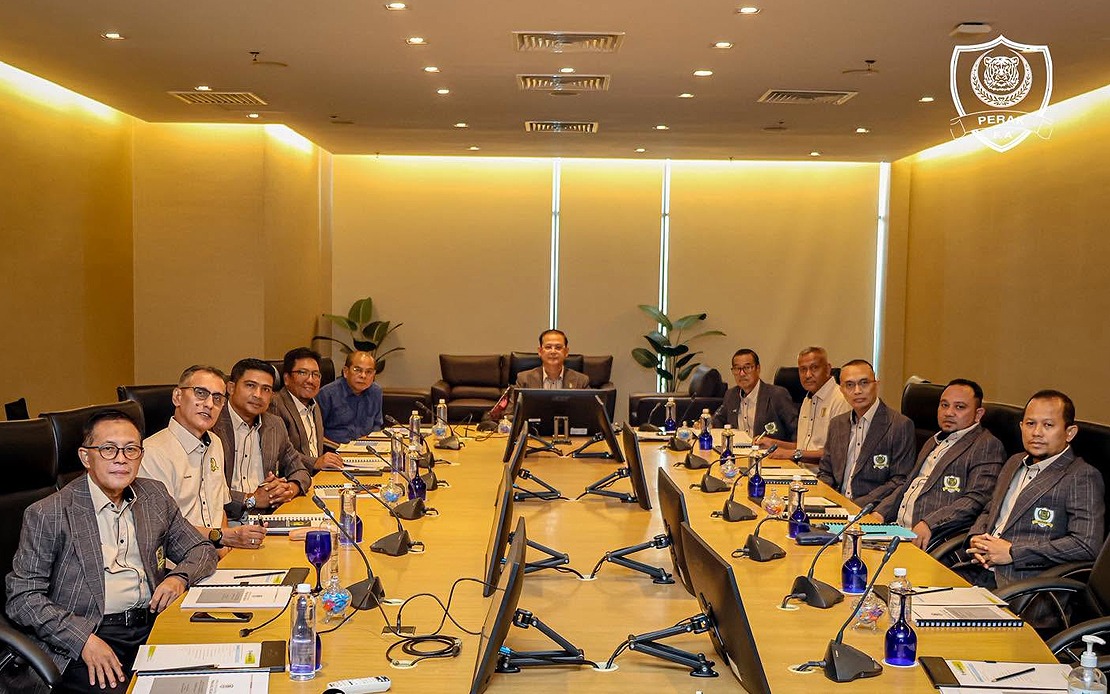
The Perak Football Association has announced plans to hire a new head coach for the 2026-2027 Liga A1 Semi-Pro season, marking a significant staffing transition for the state team. The recruitment drive comes in response to fresh directives from the Amateur Football League, which now requires all participating teams to employ coaches holding an AFC Pro Diploma Coaching License, commonly referred to as Pro-A certification. This regulatory shift reflects the competitive landscape of Malaysian football and the growing professionalization of semi-professional leagues across the country.
The association's selection criteria extend well beyond meeting the newly mandated licensing threshold. Perak officials have signalled their intent to identify a coach who combines formal qualifications with substantive hands-on experience across multiple dimensions of football development. Prospective candidates must demonstrate expertise in grassroots programme architecture, contemporary coaching methodologies, and a verifiable track record spanning state-level, national, and international competitions. This multi-layered approach suggests the association views coaching appointments as central to building a sustainable competitive structure rather than merely satisfying regulatory compliance.
The decision to pursue a new head coach follows a reasonable season under departing coach Syamsul Saad, a former player who steered Perak to a fifth-place league finish while also navigating the team to the MFL Challenge Cup semifinals and the Malaysia Cup quarterfinals. Though Saad's tenure produced respectable results, the shift towards an AFC-certified coach aligns Perak with broader trends in Asian football administration, where formal coaching credentials have become essential markers of professionalism and credibility. The transition underscores how regulatory requirements, while sometimes burdensome, can catalyse improvements in coaching quality and institutional rigour across semi-professional tiers.
Crucially, the association has committed to retaining existing coaching staff rather than undertaking a wholesale replacement. By pairing the incoming head coach with the current technical team, PAFA aims to create a collaborative coaching ecosystem that preserves institutional knowledge while injecting fresh leadership at the top level. This approach mitigates the disruption often associated with wholesale coaching changes and allows experienced staff to contribute meaningfully to team development. The decision reflects maturity in football administration and recognition that continuity in support structures benefits player development and team cohesion.
Perak's player retention strategy also merits attention. The association has committed to offering fresh contracts to squad members from the previous season who successfully cleared internal performance evaluations. This selective retention method incentivises player accountability whilst signalling the organisation's intent to build around a core of established performers. The emphasis on merit-based contract renewals projects stability for players whose performances met institutional standards, whilst creating competitive pressure for others to earn their place in the new campaign.
Beyond the immediate Liga A1 Semi-Pro commitment, PAFA has expanded Perak's competitive footprint by confirming participation in both the Liga A2 Amateur and the President's Cup. These additional competitions serve a strategic purpose beyond accumulating silverware or league points. They provide crucial exposure opportunities for emerging talent identified through grassroots development pipelines, including participants in the Malaysia Games (SUKMA), Liga A1 Semi-Pro, and the Liga Perak Sejahtera 2030. This three-tiered league structure creates a clear developmental pathway for young footballers and demonstrates how state associations can leverage multiple competitions to strengthen player production systems.
The tangible output of Perak's coordinated development approach has proven noteworthy. The state has successfully cultivated approximately seventy players aged between eighteen and twenty-four through its integrated football programmes. This cohort represents a substantial talent pool that can feed into the senior structure and provides the association with strategic flexibility in team selection and long-term planning. The number underscores the potential impact of sustained investment in grassroots infrastructure and the capacity of state-level bodies to generate competitive depth when given adequate resources and coherent strategic direction.
The new appointments and structural decisions also reflect broader alignment with the Perak Sejahtera 2030 Plan, the state government's comprehensive development framework. By positioning football development as integral to this agenda, PAFA connects the sport to wider economic and social objectives, potentially securing ongoing political and financial support. Menteri Besar Datuk Saarani Mohamad's publicly acknowledged backing provides institutional confidence and signals that football remains a recognised priority within the state administration's portfolio of development initiatives.
For Malaysian football observers, Perak's coaching overhaul and developmental strategy exemplify how semi-professional leagues are evolving across the country. The AFC Pro Diploma requirement, whilst adding compliance costs for state associations, pushes the ecosystem towards greater professionalism. The emphasis on integrated player development across multiple competition tiers reflects international best practices increasingly adopted by Southeast Asian football federations. Perak's transparent approach to these structural changes also sets a benchmark for how state associations can communicate with stakeholders and the broader public during periods of sporting transition.
The implications extend beyond Perak's borders. As the state implements these changes, other association will monitor outcomes closely, particularly whether the new coaching structure and expanded competitive participation yield improved performance and enhanced player production. Success could establish a replicable model for other states seeking to upgrade their administrative and competitive frameworks. Conversely, challenges in implementation might highlight the complexities of simultaneous structural reform and regulatory compliance, offering valuable lessons for peers navigating similar transitions.

