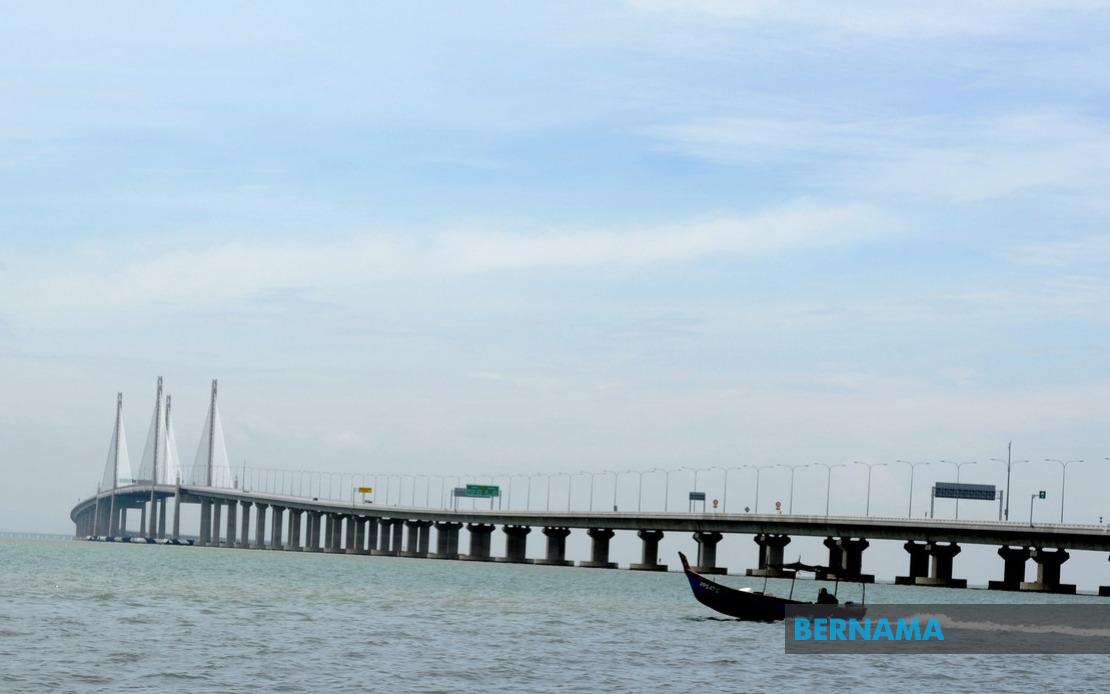
The Sultan Abdul Halim Mu'adzam Shah Bridge, which connects Penang island to the mainland, will experience a temporary closure of its eastbound carriageway spanning seven hours as organisers prepare for a major community running event. Beginning at 8 pm on August 8 and continuing until 3 am on August 9, vehicles travelling from the island's Batu Maung area toward Batu Kawan will be unable to use this primary route. The operator, Jambatan Kedua Sdn Bhd, confirmed the disruption was necessary to facilitate the Cultural Night Run 2026, an event that has gained prominence in Penang's annual calendar of activities.
The second bridge, officially known by the name of the late Sultan Abdul Halim Mu'adzam Shah of Kedah, represents a critical piece of Penang's transport infrastructure. Completed in 2008, it was designed to alleviate congestion on the original Penang Bridge by providing an additional crossing point between the island and Seberang Perai on the mainland. The bridge carries significant daily traffic volumes, making any closure a matter requiring careful public communication and traffic management planning.
Motorists affected by the closure have straightforward alternatives. The Penang Bridge, the original crossing connecting George Town to Butterworth, remains fully operational and represents the most direct substitute for those needing to travel from the island to the mainland during the overnight period. Additionally, the westbound direction on the Second Bridge itself—flowing from Batu Kawan back toward Batu Maung—will continue operating normally, ensuring that return traffic toward the island faces no impediment. This arrangement permits traffic to flow in one direction even as the other direction accommodates the event.
For drivers travelling specifically to industrial and commercial destinations, connectivity remains intact through alternative pathways. The route from Bandar Cassia, a residential and commercial development in southern Penang, will provide onward access to Seberang Perai and beyond. Equally important, traffic from the Batu Kawan Industrial Park, a significant industrial zone on the mainland side, maintains its link to the North-South Expressway, ensuring that freight and commercial vehicles can continue their operations without significant rerouting complications.
The Cultural Night Run 2026 represents the type of community and sporting event that has become increasingly common across Malaysian cities. These events, typically held during evening or night hours to manage heat exposure and encourage broader participation, require substantial infrastructure support. Running events of this scale necessitate temporary traffic management measures to ensure the safety of participants and maintain orderly movement of both event attendees and vehicular traffic in surrounding areas.
Jambatan Kedua Sdn Bhd has urged all highway users to remain vigilant and compliant with traffic signage throughout the closure period. This advisory is standard practice but carries practical significance, particularly during overnight hours when reduced visibility and driver fatigue can compound the challenges of navigating unfamiliar routes or alternative pathways. The operator emphasised that cooperation from motorists directly contributes to maintaining traffic flow efficiency and preventing accidents during the transition period.
For Malaysian travellers and residents accustomed to using the Second Bridge as their primary route to the mainland, the seven-hour closure represents a manageable inconvenience given the availability of the Penang Bridge as an alternative. However, the timing—commencing at 8 pm—falls within evening rush period and early night hours, potentially affecting some commuters and shift workers. Those planning to cross during this window should factor in additional travel time, particularly if traffic concentrates on the Penang Bridge during the closure hours.
The event itself reflects growing enthusiasm for participatory sporting activities throughout Southeast Asia. Night runs have become popular in Malaysia, Singapore, and neighbouring countries, offering communities opportunities to engage in fitness activities while fostering social cohesion. Penang, as a major tourism and residential hub, regularly hosts events of this nature, and the infrastructure investment in temporary management systems demonstrates recognition of the value such activities bring to urban life and community engagement.
From a transport planning perspective, the closure highlights the balancing act that city and state authorities must continuously navigate. Infrastructure facilities like the Second Bridge serve multiple functions: primary transport corridors for daily commuters, commercial freight routes, and essential connections for emergency services. Simultaneously, these same facilities must accommodate the occasional temporary disruption to host community events that enhance quality of life and promote public health through activities like organised running. The coordination required between the bridge operator, event organisers, traffic management authorities, and the public reflects the complexity of modern urban transport administration in Malaysia.

