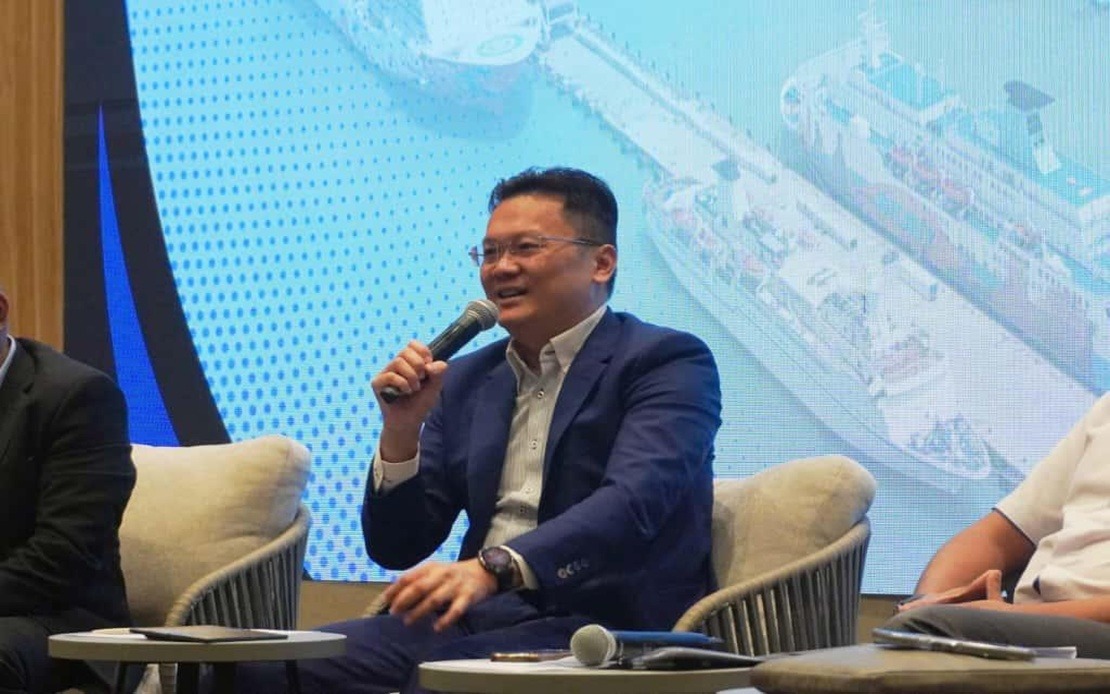
Penang Port Commission has introduced a comprehensive Standard Operating Procedure governing the handling of ship-generated waste across the port's facilities, marking a significant escalation in environmental oversight at one of Malaysia's busiest maritime hubs. The initiative, announced by PPC chairman Datuk Yeoh Soon Hin, establishes unified protocols designed to safeguard coastal waters and air quality while positioning Penang Port as a regional leader in sustainable shipping practices. The move reflects growing international pressure on port authorities to curb marine pollution and aligns with Malaysia's broader environmental commitments under maritime conventions.
The new SOP introduces a multi-layered regulatory framework that extends far beyond the port's immediate operations. Waste management operators seeking to provide services at Penang Port must now navigate approvals from multiple government agencies, including the Department of Environment, the National Water Services Commission (SPAN), the Royal Malaysian Customs Department, and relevant local authorities. This convergence of oversight mechanisms, while administratively complex, is intended to create accountability at each stage of waste handling, from vessel offloading through final disposal. For port users and shipping lines, the requirement represents a tightening of operational requirements that will likely increase compliance costs, though potentially reducing legal and environmental liabilities.
Yeoh's statement emphasises that the standardised approach aims to eliminate inconsistencies in how waste is processed across different terminal operators and facilities within Penang Port. Previously, variations in handling practices across the port could create loopholes or gaps in environmental protection. The new framework mandates that all activities be conducted safely, systematically, and in strict accordance with conditions stipulated in the circular. This uniformity is particularly important for a busy port handling diverse vessel types—from container ships to bulk carriers and tankers—each generating different waste streams with distinct environmental risks.
The SOP categorises ship-generated waste into three distinct classifications: scheduled waste from ships, domestic waste including dunnage and other non-hazardous materials, and sewage waste generated aboard vessels. This tripartite division allows regulators and operators to apply differentiated handling protocols appropriate to each waste type's toxicity, volume, and disposal requirements. Scheduled waste, which may contain residues from cargo operations or ship maintenance, demands the most stringent containment and processing standards. By creating clear categories, the framework reduces ambiguity about which waste streams require specialist handling and which facilities can accommodate specific disposal methods.
Operators now face explicit obligations to verify waste quantities with shipping vessels and maintain detailed documentation throughout the process. Once waste handling operations are completed, operators must submit disposal or discharge notes to PPC and other relevant agencies, creating an auditable trail of environmental accountability. This documentation requirement transforms waste management from an opaque back-end operation into a transparently tracked process. For maritime authorities, the paper trail enables pattern analysis—identifying which vessels repeatedly generate certain waste types, which operators demonstrate consistent compliance, and where environmental incidents are most likely to occur.
The initiative directly supports Transport Minister Anthony Loke's broader Green Port vision, which seeks to reduce shipping's environmental footprint across Malaysian facilities. Penang Port, as the country's second-largest port by container traffic, occupies a crucial position in demonstrating how environmental standards can be implemented across high-volume operations. The green port framework emphasises transitioning towards low-carbon shipping practices, and waste management sits at the intersection of pollution prevention and circular economy principles. By mandating the use of approved disposal facilities and encouraging recycling practices, PPC creates market conditions favouring companies that develop waste-recovery technologies.
Yeoh highlighted that the new procedures strengthen environmental monitoring mechanisms and reduce marine pollution risks. Coastal waters around Penang Port support fishing communities, aquaculture operations, and tourism industries—sectors highly vulnerable to marine degradation from improper waste disposal. Contamination from ship-generated waste, particularly scheduled waste containing oils, chemicals, or heavy metals, can damage these ecosystems and impose costs on local communities far exceeding the operational savings from lax environmental practices. By implementing rigorous controls now, the port authority aims to avoid costly remediation efforts and reputational damage that would flow from documented pollution incidents.
The requirement for all operators to hold valid PPC licences creates a competitive barrier protecting legitimate, compliant waste management firms while excluding operators unwilling to meet environmental standards. This licensing framework is particularly important given Malaysia's vulnerability to illegal dumping and informal waste handling in maritime settings. Regional ports have periodically been implicated in questionable practices where hazardous waste is improperly discharged or transferred to vessels lacking proper containment. By centralising licensure through PPC, authorities gain visibility over who operates in the port ecosystem and can revoke permits for operators failing environmental inspections.
The PPC's commitment to ongoing compliance monitoring through regular inspections and audits signals that the SOP represents a floor, not a ceiling, for environmental protection. Port authorities in developed markets have learned that paper regulations achieve limited effectiveness without sustained enforcement. Yeoh's statement indicates PPC will actively encourage operators to adopt emerging technologies and international best practices, suggesting an intent to continuously elevate standards rather than treat current procedures as permanent. For Malaysian operators, this creates both an obligation to adapt and an opportunity to position themselves as environmental leaders within Southeast Asia's competitive shipping market.
The framework's implications extend beyond Penang Port itself. As the largest container hub in northern Malaysia, waste management practices here will influence approaches at other Malaysian ports and potentially across ASEAN shipping networks. International shipping lines operating across multiple regional ports will increasingly demand consistency in environmental standards, creating pressure for harmonisation. The Penang initiative may serve as a template for Port Klang, Johor Port, and smaller facilities seeking to upgrade their environmental credentials while managing commercial pressures.
From a broader economic perspective, the policy reflects recognition that environmental compliance is becoming non-negotiable in global shipping. Major international shipping lines face pressure from customers—particularly multinational corporations with sustainability commitments—to utilise ports demonstrating strong environmental governance. European and North American ports have for years competed partly on environmental credentials, and Asian ports must now match these standards to retain premium cargo traffic. For Penang Port, demonstrating environmental leadership through the waste management SOP enhances its competitive positioning for high-value container and specialty cargo operations.
The implementation timeline and specific penalties for non-compliance remain subjects of ongoing clarification. Shipping companies and waste management operators now face the practical challenge of integrating these requirements into existing operations. For smaller waste management firms lacking resources for rapid compliance, transitional periods may prove essential. The port authority's stated commitment to monitoring and continuous improvement suggests flexibility in implementation, though operators would be prudent to assume that inspection intensity will increase progressively as the SOP matures. Success will ultimately depend on whether PPC possesses adequate inspection capacity and whether penalties for violations sufficiently deter non-compliance.

