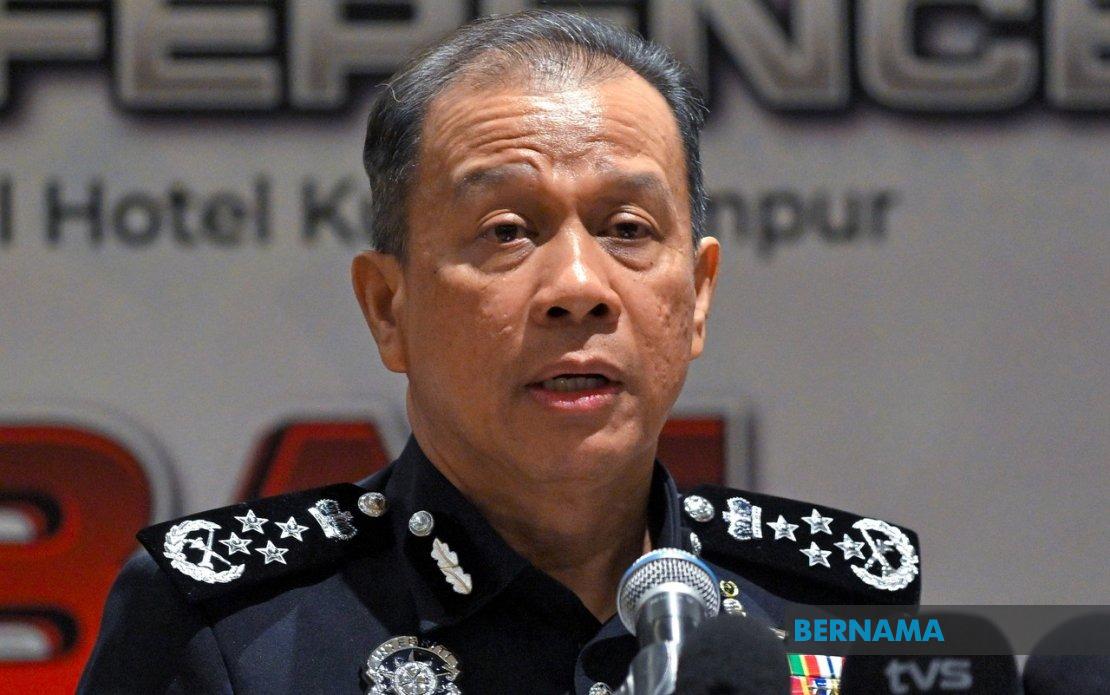
Malaysia's aviation security landscape is set for a significant operational overhaul following a Cabinet decision to integrate Royal Malaysia Police (PDRM) personnel directly into Aviation Security (AVSEC) teams nationwide. The deployment marks a watershed moment in the country's approach to airport security, driven by mounting concerns over criminal exploitation of aviation channels and vulnerabilities that have drawn international attention. Inspector-General of Police Tan Sri Mohd Khalid Ismail has signalled the PDRM's full readiness to assume this expanded role, emphasising that the integration represents a critical step in safeguarding Malaysia's aviation infrastructure and reputation.
The impetus for this structural change crystallised around the case of a Malaysian pilot detained in Indonesia on suspicion of drug smuggling—an incident that exposed gaps in Malaysia's security oversight at airports and raised uncomfortable questions about screening procedures at Southeast Asia's major aviation hubs. Government spokesman Datuk Seri Fahmi Fadzil announced the initiative as an immediate remedial action, signalling political determination to address vulnerabilities before they translate into further international incidents. The move reflects broader anxieties across the region about the use of commercial aviation for trafficking narcotics and other contraband, a problem that has plagued several Southeast Asian nations despite stringent official protocols.
The integration process itself remains in its planning stages, with the PDRM working alongside the Home Ministry (KDN), Ministry of Transport (MOT), and other stakeholders to establish operational frameworks. Tan Sri Mohd Khalid outlined the complex groundwork underway, detailing how officials are mapping the scope of police responsibilities, identifying optimal deployment locations, assessing staffing requirements, defining jurisdictional boundaries, and establishing coordination mechanisms with existing security entities. This meticulous approach acknowledges that introducing a new operational layer into airports demands careful synchronisation to avoid duplication, territorial disputes, or gaps in coverage.
From the PDRM's perspective, the deployment offers tangible operational advantages within the aviation security ecosystem. Police involvement is expected to enhance intelligence-sharing protocols among agencies, enabling faster dissemination of threat assessments and criminal intelligence across security networks. Early detection capabilities should improve through the addition of trained law enforcement personnel who specialise in criminal profiling and suspicious behaviour identification. Critically, the police force brings enforcement authority that AVSEC teams, often civil security contractors, may lack—the ability to immediately detain suspects, conduct investigations, and coordinate with intelligence agencies to prevent incidents before they escalate.
The broader security architecture envisioned by the PDRM transcends simple personnel deployment. Tan Sri Mohd Khalid articulated a vision of layered, comprehensive airport security that integrates tightened access control systems, enhanced passenger and baggage screening procedures, deeper security vetting processes, and sophisticated risk assessment methodologies. This multi-layered approach reflects contemporary best practices in aviation security, acknowledging that no single measure can adequately protect against determined criminal actors. The involvement of all relevant agencies and stakeholders—from airlines to customs authorities to immigration officials—is presented as essential to creating an integrated defensive perimeter around Malaysia's airports.
Intelligence-based security operations will form the conceptual foundation of this enhanced regime. By centralising intelligence-gathering and analysing patterns of suspicious behaviour, criminal networks, and emerging threats, the system aims to shift from reactive to preventive security postures. This represents a significant departure from traditional airport security models that often focus primarily on screening arriving passengers and luggage. The new approach seeks to identify and disrupt criminal operations before they attempt to exploit aviation channels, reducing risks and closing operational gaps that smuggling networks have historically exploited. For Malaysian security authorities, this represents an evolution in understanding the sophisticated methodologies employed by transnational criminal organisations.
The implications for Malaysia's standing in regional and international aviation communities are substantial. Countries monitor peer nations' security arrangements when assessing the safety of their own carriers' operations and transit passengers. A pilot detained in Indonesia for suspected smuggling creates reputational spillover effects throughout Southeast Asia, potentially inviting scrutiny from international aviation bodies and individual governments evaluating Malaysia's security credentials. By demonstrating visible commitment to tightening controls and closing identified vulnerabilities, Malaysia's government signals to both allies and aviation stakeholders that security lapses are being treated as serious institutional failures warranting structural reform.
The PDRM's public assurances—that flight safety and the security of the country's entry and exit points remain paramount, and that criminal attempts to exploit aviation will not be tolerated—are carefully calibrated messaging intended both for domestic audiences and international partners. These statements establish clear operational expectations and political accountability for the security apparatus. The emphasis on preventing aviation from becoming a conduit for criminal activity speaks to anxieties across Southeast Asia, where porous borders, corruption within security agencies, and sophisticated smuggling networks have created persistent enforcement challenges.
For Malaysian travellers and aviation industry stakeholders, the deployment of PDRM personnel represents a mixed proposition. Enhanced security typically translates into longer processing times, more intensive questioning, and greater intrusion into passenger privacy—factors that must be balanced against genuine security improvements. The success of the initiative will depend heavily on how effectively police personnel are integrated with existing AVSEC staff, whether adequate training is provided to prevent harassment or discrimination, and whether coordination mechanisms function smoothly in practice. Poor implementation could frustrate passengers and create inefficiencies that undermine commercial confidence in Malaysia's airports.
Regionally, Malaysia's decision to deepen police involvement in aviation security may establish a precedent influencing other Southeast Asian nations grappling with similar vulnerabilities. The Association of Southeast Asian Nations (ASEAN) lacks unified aviation security standards, with member states operating under varied regulatory regimes and enforcement capacities. Malaysia's operational model, should it prove effective, could influence discussions within ASEAN forums about best practices and minimum security thresholds. Conversely, if the integration generates operational difficulties or reputational costs, other nations may opt for different approaches to strengthening their aviation security apparatus.
The financial and resource commitments required for this expansion remain undisclosed, yet they are clearly substantial. Recruiting, training, and deploying additional police personnel to airports nationwide requires budget allocation, equipment procurement, and administrative restructuring. These expenditures compete with other security priorities and development programmes for government resources. The decision to proceed suggests that aviation security vulnerabilities are perceived as sufficiently acute to justify the investment, reflecting genuine institutional concern rather than mere political posturing.
Looking forward, the effectiveness of police integration into AVSEC teams will be measured through concrete metrics: detection rates for smuggling and criminal activity, response times to security incidents, passenger processing efficiency, and stakeholder satisfaction levels. The PDRM will face scrutiny both from within government—where inter-agency coordination remains perpetually challenging—and from external observers monitoring Malaysia's security evolution. Success requires not merely the physical presence of uniformed officers at airports, but genuine operational integration, clear command structures, adequate training, and sustained institutional commitment to preventing the aviation security gaps that precipitated this reform initiative.

