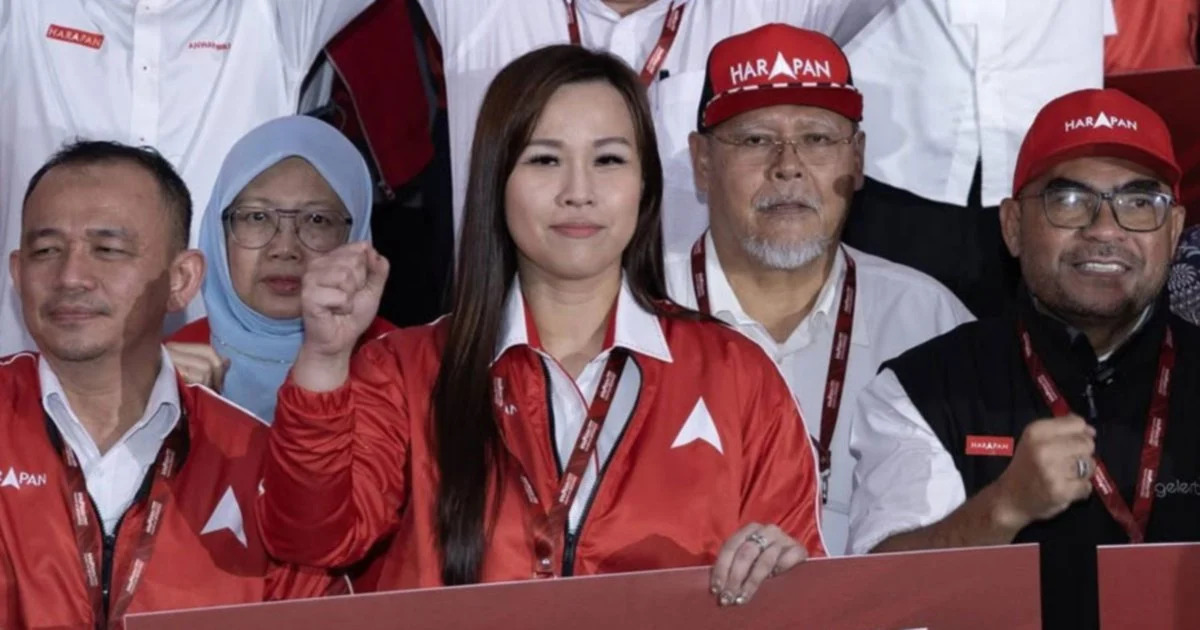
The Pasir Gudang division of PKR's coalition partner Amanah has declared its intention to withdraw support from Pakatan Harapan's selected contender for the Permas state assembly seat ahead of Johor's imminent 16th state election. Sharon Teo, the coalition's chosen representative for this competitive constituency, has become the focal point of internal dissent within the opposition alliance, with local party machinery expressing strong reservations about her candidacy.
The decision to boycott Teo's campaign represents a significant fracture within PH's organizational unity at the divisional level. Amanah's objection centers on what party members characterize as a "parachute candidate"—a term used across Southeast Asian politics to describe individuals parachuted into contests without proper organic connection to local grassroots structures or meaningful prior community engagement. This nomenclature carries considerable weight in Malaysian electoral discourse, as such appointments frequently generate resentment among entrenched party cadres who feel sidelined in favor of externally selected personalities.
The Permas constituency, located within Johor's political landscape, has emerged as a battleground where coalition coherence faces testing. The tension between centralized party strategy and local organizational preferences highlights enduring structural challenges within Malaysia's opposition coalition. When higher-level party leadership imposes candidates without extensive consultation with divisional bodies, it often creates friction that can undermine campaign momentum and volunteer mobilization—critical factors in closely contested races.
Amanah's position reflects broader frustrations within the Malaysian opposition regarding candidate selection methodologies. The party has consistently advocated for democratic internal processes where local party members possess meaningful input into candidate determination. Parachute appointments, by contrast, sidestep such consultative mechanisms, typically being decided by senior party hierarchies through top-down mandates. This governance tension between centralized decision-making and grassroots empowerment remains unresolved within PH structures.
Sharon Teo's selection likely involved calculations at the state or national coalition leadership level, possibly reflecting demographic considerations, perceived electability assessments, or strategic coalition balancing among PH's component parties. However, such technocratic approaches frequently discount the significance of local party organizational strength and volunteer enthusiasm—intangible but crucial assets in electoral contests. Without divisional support machinery operating at full capacity, even well-positioned candidates face uphill campaigns.
The boycott announcement carries practical implications for PH's electoral prospects in Permas. When a partner party formally withdraws campaign support, it typically translates into reduced ground-level activity, diminished volunteer door-knocking operations, and compromised organizational coordination. In Malaysia's competitive electoral environment, where tight margins frequently determine outcomes, such organizational deficiencies can prove decisive.
This incident reflects patterns observable across multiple Malaysian states and federal territories during recent electoral cycles. Opposition coalitions have repeatedly grappled with candidate selection disputes, with local party divisions resisting central impositions. These internal conflicts have occasionally contributed to unexpected electoral outcomes, particularly when organizational disunity translated into voter confusion or reduced campaign effectiveness.
The timing of Amanah's boycott announcement—issued during the pre-election campaign period—suggests the party felt compelled to publicly distance itself rather than attempting quiet internal negotiations. This public stance serves multiple purposes: it signals to Pasir Gudang grassroots members that the division recognizes their concerns, it pressures PH leadership to reconsider or justify the selection, and it establishes an alibi should Teo's candidacy underperform.
For Pakatan Harapan, managing such internal dissensions while maintaining a unified electoral front poses significant strategic challenges. The coalition must balance central-level strategic calculations about candidate viability against divisional autonomy and democratic legitimacy concerns. Overriding local party objections risks organizational morale and campaign intensity, while capitulating to every divisional complaint could paralyze centralized strategic planning.
The Johor 16th state election now features this complicating factor within PH's Permas campaign machinery. Whether the coalition can reconcile with Amanah's Pasir Gudang division, convince them to reluctantly support Teo, or whether this boycott statement represents the final organizational stance remains uncertain. Such intra-coalition tensions, while often resolved quietly before or after elections, occasionally reshape electoral narratives and voter perceptions about opposition unity and competence.
This episode underscores persistent governance debates within Malaysia's opposition movement regarding democratic practices, candidate selection legitimacy, and the balance between strategic central coordination and local party autonomy. How PH and Amanah navigate this Permas situation may influence precedents for future candidate selections across the coalition.

