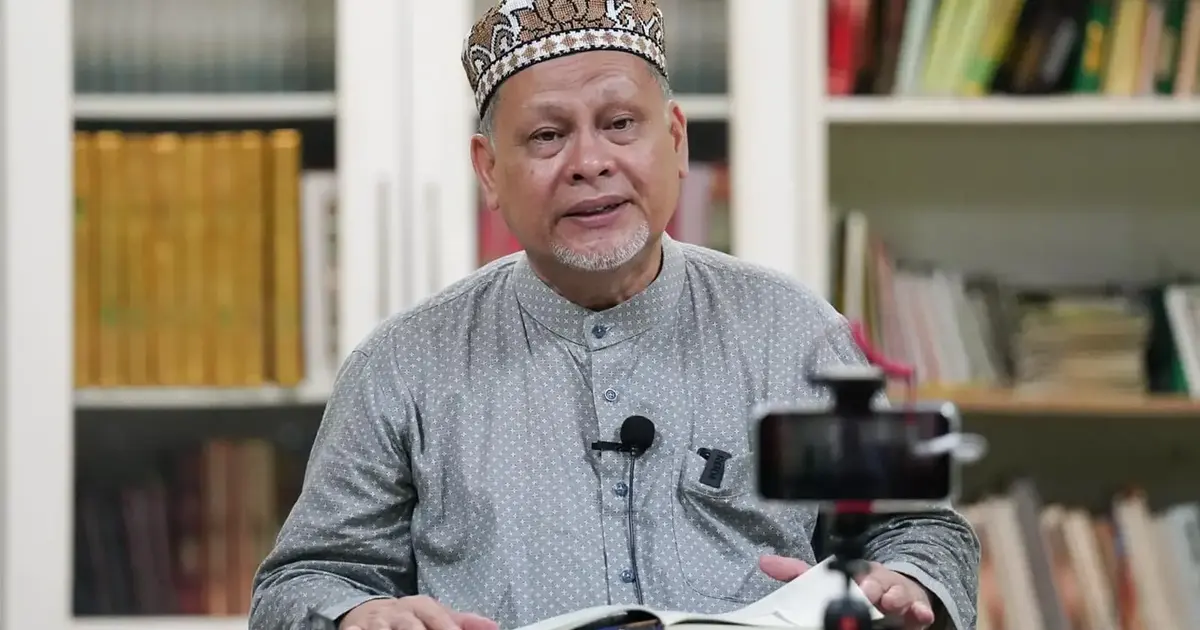
PAS has indicated it will not shy away from electoral competition with Bersatu despite both parties being members of the Perikatan Nasional coalition, according to statements from the Islamic party's senior leadership. The prospect of direct confrontation between the two PN component parties raises fresh questions about the stability of the opposition alliance ahead of crucial state-level contests in Negeri Sembilan.
Amar Abdullah, serving as PAS deputy president, conveyed the party's position with considerable clarity, suggesting that internal alliance disagreements should not prevent either party from pursuing electoral advantage in their respective strongholds. His remarks indicate that the traditional deference often shown by smaller coalition partners to larger ones may not extend to this particular electoral matchup, reflecting the complex interplay of ambitions within the PN framework.
The Negeri Sembilan state elections represent a critical testing ground for the PN coalition's ability to present a unified front. Unlike some coalition arrangements where seat allocations are predetermined and enforced through centralised party machinery, the apparent flexibility articulated by PAS suggests a more pragmatic approach where local party strength and historical performance carry significant weight in determining candidacy.
PAS has cultivated substantial electoral support in various Negeri Sembilan constituencies over successive election cycles, establishing grassroots networks and community ties that party leaders evidently wish to leverage. The party's willingness to challenge Bersatu directly signals confidence in its organisational capacity and voter appeal in specific districts, rather than accepting predetermined seat distributions that might disadvantage its members or underutilise its ground presence.
Bersatu, the political vehicle founded by former Prime Minister Mahathir Mohamad and subsequently led by Muhyiddin Yassin, commands its own base of support particularly among specific demographic and geographic constituencies. The prospect of direct competition between Bersatu and PAS in overlapping seats could fragment the opposition vote and potentially benefit the ruling coalition, a consideration that typically constrains such intra-alliance conflicts.
The tension between PN cohesion and internal party interests reflects broader structural challenges facing opposition coalitions in Malaysia. While the original Perikatan Nasional arrangement was intended to provide a unified alternative to the government, constituent parties retain distinct identities, leadership hierarchies, and electoral ambitions that do not always align perfectly. Managing these competing interests while maintaining sufficient unity to present credible governance alternatives remains an ongoing challenge for coalition leadership.
Historically, Malaysian electoral alliances have struggled when component parties view each other as threats rather than partners in shared governance objectives. The willingness of a senior PAS figure to publicly entertain the possibility of direct competition with Bersatu suggests either confidence that such conflicts can be resolved through negotiation, or acceptance that some level of internal competition is inevitable and manageable within the broader coalition framework.
For Negeri Sembilan voters, the possibility of PN internal competition introduces additional complexity into electoral calculations. Constituents may find themselves choosing between candidates representing the same opposition coalition, requiring them to differentiate between parties based on local representation capacity, candidate quality, and specific policy focuses rather than fundamental ideological distinctions. This scenario typically reduces overall opposition unity and can disadvantage smaller or newer political forces lacking extensive ground networks.
The timing of such statements during the pre-election period suggests deliberate positioning by both parties to maximise their respective seat allocations in negotiations with PN leadership. By signalling willingness to contest independently, PAS may be attempting to secure commitments to favourable seat distributions or to demonstrate to its own supporters that the party leadership advocates aggressively for party interests rather than passively accepting coalition decisions.
Bersatu's response to these statements remains crucial for determining whether such tensions escalate into actual electoral competition or whether negotiated settlements preserve the PN facade of unity. Historically, larger or better-resourced coalition partners have managed to impose discipline on smaller parties, but shifts in relative party strength and evolving voter preferences have sometimes upset such traditional hierarchies.
The broader implications for Malaysia's political landscape extend beyond Negeri Sembilan's state elections. How the PN coalition manages potential internal conflicts will influence perceptions of its readiness for national governance and its capacity to maintain discipline across geographically dispersed party networks. Voters considering opposition alternatives will scrutinise whether PN can function as a coherent governing force or whether it represents merely a temporary marriage of convenience between parties with fundamentally competing interests.
As the Negeri Sembilan electoral campaign develops, monitoring the actual distribution of candidacies between PAS and Bersatu will provide clearer indication of whether Amar Abdullah's remarks represent genuine preparedness for internal competition or tactical positioning within pre-election negotiations. The outcome will substantially influence perceptions of PN credibility and opposition viability across the broader Southeast Asian region, where coalition stability directly correlates with electoral competitiveness.

