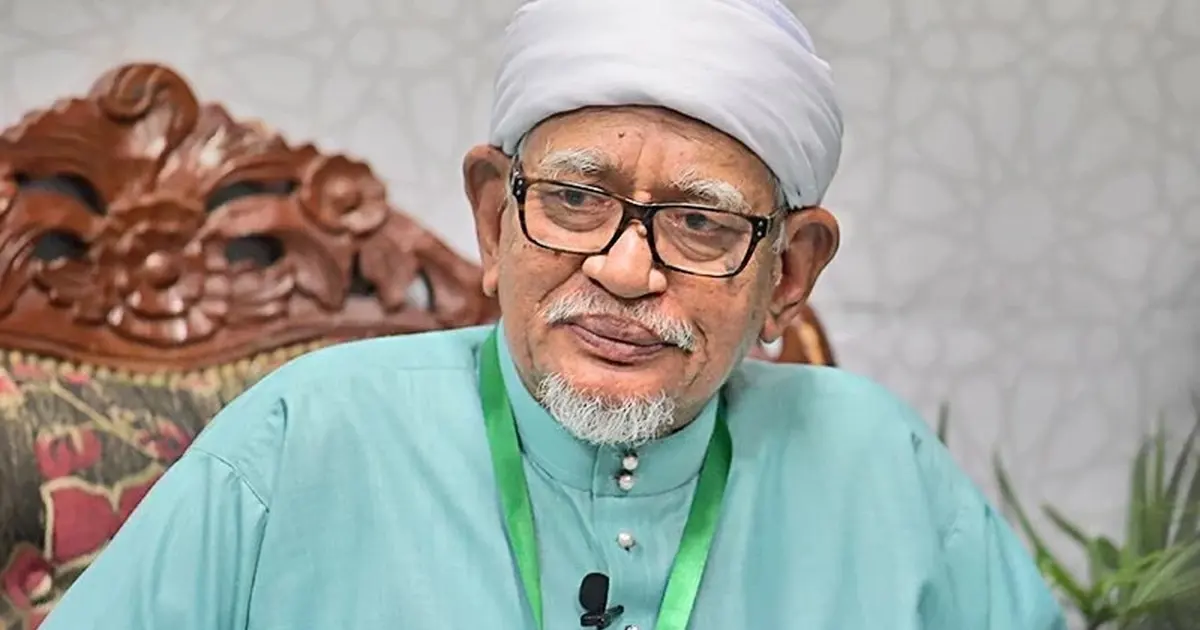
PAS president Hadi Awang has indicated that negotiations with Barisan Nasional regarding parliamentary seat allocations in Melaka are still actively taking place, signalling ongoing coalition-building efforts as Malaysia's political landscape continues to evolve in the post-2023 election period. Hadi's remarks underscore the delicate nature of seat distribution within Malaysia's ruling coalition, where multiple parties must balance territorial strength, historical claims, and electoral viability.
The negotiations carry particular significance given Barisan Nasional's conspicuous absence from Melaka's parliamentary representation following the 15th General Election. In GE15, held in November 2022, the coalition failed to capture any of Melaka's parliamentary constituencies, a result that fundamentally altered the bargaining dynamics within the state's political structure. This outcome stands in sharp contrast to BN's historical dominance in the state and represents a marked departure from the coalition's previous electoral performance in the region.
For PAS, which secured parliamentary representation in Melaka during GE15, the seat distribution talks reflect the party's growing role within Malaysian politics following the election and its integration into the federal government through the Perikatan Nasional arrangement that later evolved into collaboration with BN components. The negotiations demonstrate how electoral results directly influence subsequent power-sharing arrangements, with parties leveraging their GE15 victories to secure better positioning in future contests or state administration structures.
The fact that BN failed to win parliamentary seats in Melaka represents a significant political development in a state traditionally considered a coalition stronghold. This reversal suggests shifting voter preferences or emerging challenges for the coalition's machinery in the state, prompting the need for strategic recalibration. As Hadi noted, this electoral reality must form the foundation for any reasonable agreement on seat distribution, implying that PAS will not simply concede constituencies that it currently holds or where it demonstrated competitive strength.
Melaka's political significance extends beyond mere parliamentary representation numbers. The state has long been viewed as politically strategic given its geographic location, administrative importance, and historical role in Malaysian governance. Control of parliamentary seats translates directly into influence over state-level political developments and federal resource allocation, making seat negotiations between coalition partners particularly consequential for stakeholders across the region.
The ongoing talks also reflect the broader structural challenges facing Malaysia's coalition politics. With multiple parties competing within alliance frameworks, seat allocation remains perpetually contentious, requiring constant negotiation and recalibration. The Melaka discussions appear emblematic of these persistent tensions, where electoral performance must be reconciled with historical coalition responsibilities and party ambitions for future growth.
Hadi's public acknowledgment of the negotiations suggests a measured approach to coalition management, avoiding inflammatory statements while signalling that PAS will not passively accept unfavourable outcomes. His reference to BN's GE15 performance serves as both a factual observation and a negotiating position, establishing parameters for what constitutes a reasonable allocation framework. This approach balances coalition solidarity with PAS's legitimate interests as a party that delivered electoral results in the state.
The political context matters considerably here. The coalition government at federal level requires stable state-level support, and Melaka's administration and parliamentary representation contribute to that stability. Thus, negotiations over seat distribution carry implications beyond merely deciding which party contests which constituencies—they reflect efforts to maintain coalition cohesion while respecting electoral outcomes and party capabilities.
Looking ahead, how these Melaka negotiations conclude will likely establish precedents for seat distribution discussions in other states where coalition partners coexist. The resolution could signal whether Malaysian coalition politics increasingly emphasizes recent electoral performance or whether traditional power-sharing arrangements continue to override GE15 results. This balance will shape campaign dynamics leading toward the next general election, influencing which parties feel incentivized to invest campaign resources in specific constituencies.
For Malaysian voters and observers, these negotiations underscore how election outcomes translate into political outcomes beyond simply determining which party forms government. Seat distribution determines not only parliamentary composition but also which local voices gain platforms, which communities receive direct legislative representation, and how political influence distributes within coalition structures. The Melaka discussions therefore merit closer monitoring as negotiations progress and eventual agreements emerge.

