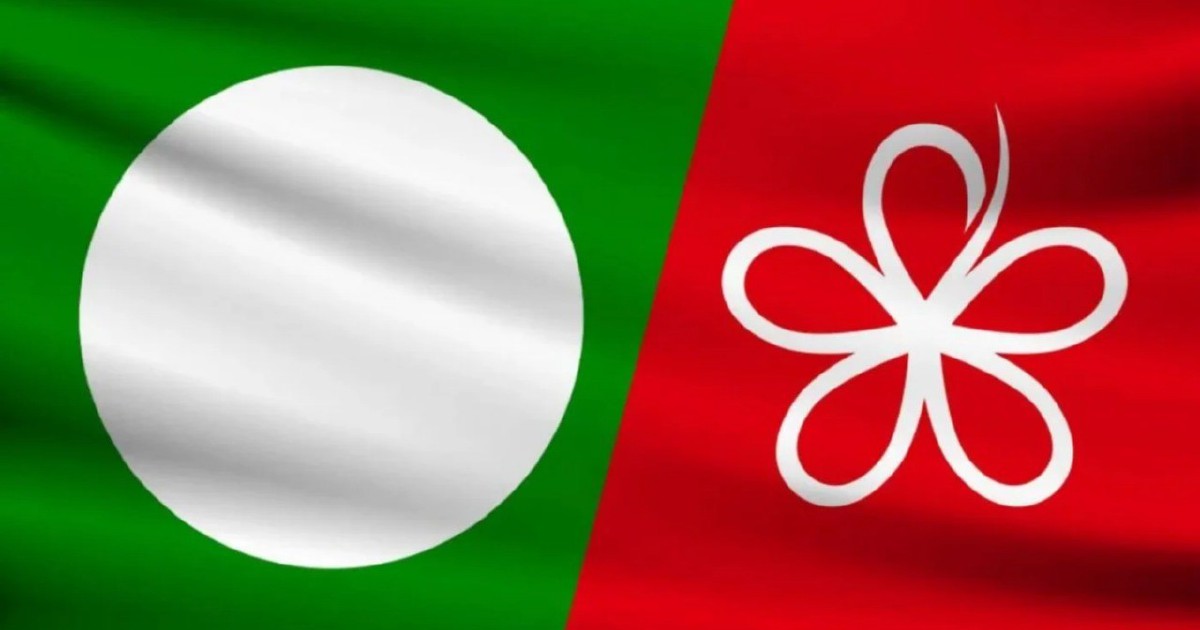
The Islamic party PAS has indicated it is prepared to battle its Perikatan Nasional coalition ally Bersatu in multiple constituencies during the forthcoming Negri Sembilan state election, according to statements made in Kota Baru. This announcement reflects deepening internal frictions within the PN alliance, even as the bloc maintains its public posture as a unified political force in preparation for electoral contests across Malaysia.
The prospect of direct competition between PN components underscores a persistent challenge afflicting Malaysia's coalition politics: the tension between maintaining partnership arrangements and pursuing individual party electoral ambitions. While formal alliances such as PN are typically constructed around shared policy platforms and unified nomination processes, ground-level rivalries between member parties frequently surface during state and federal campaigns. The situation in Negri Sembilan exemplifies this recurring dilemma.
Negri Sembilan has become a focal point for Malaysian electoral politics due to its strategic geographical position and mixed demographic profile. The state has historically rotated between different governing coalitions, with Barisan Nasional's grip on state governance interrupted periodically by opposition advances. Recent years have seen heightened political volatility, with multiple changes in state leadership reflecting shifting voter preferences and inter-coalition dynamics. The upcoming election therefore carries significance beyond the state's immediate governance implications, potentially influencing broader national political calculations.
PAS's preparedness to field candidates against Bersatu indicates the Islamist party believes it can mobilise sufficient voter support to justify contesting seats rather than ceding territory to its coalition partner. This strategic calculation likely reflects PAS's analysis of constituency demographics, recent electoral performance, and shifting support levels among key voter demographics, particularly in rural and semi-urban areas where both parties have traditionally maintained influence. The party's willingness to stake claims suggests confidence in its ground organisation and recent political momentum.
Bersatu, meanwhile, has positioned itself as a centrist alternative within the PN framework since its emergence as an independent political entity. The party draws support from various quarters, including former UMNO members and sections of the Malay-Muslim middle class seeking a political vehicle distinct from the Islamic fundamentalism associated with PAS. This ideological differentiation occasionally translates into electoral competition, particularly in constituencies with mixed supporter bases where both parties believe they can win.
The PN coalition itself remains a relatively recent formation in Malaysian politics, having consolidated following the 2020 general election and subsequent political realignments. Unlike the established Barisan Nasional structure with its decades of institutionalised power-sharing arrangements, PN continues navigating questions regarding seat allocation, candidate selection, and dispute resolution mechanisms. These foundational uncertainties periodically erupt into public disputes between member parties, as evidenced by the Negri Sembilan situation.
From a Malaysian voter perspective, intra-coalition competition presents both opportunities and complications. On one hand, multiple candidates from the same general political bloc offering themselves for voter consideration enhances electoral choice and forces candidates to articulate distinct policy positions or leadership credentials. On the other hand, divided campaign efforts potentially dilute messaging effectiveness and may frustrate voters seeking clear political differentiation. In Negri Sembilan specifically, the contest between PAS and Bersatu could splinter the PN vote in critical constituencies, inadvertently advantoring opposition coalitions.
Regional implications extend beyond Negri Sembilan's borders. The state functions as a microcosm of broader PN tensions that could escalate in future elections, particularly if financial resource allocation, media prominence, or candidate quality becomes a source of contention. Similarly, how PAS and Bersatu resolve their Negri Sembilan positioning may establish precedents affecting candidate nominations in other states where both parties maintain significant organisational presence, including Perlis, Kedah, and Terengganu.
The electoral mathematics surrounding PN's performance in Negri Sembilan also merit consideration. Should PAS and Bersatu significantly fragment their combined vote share through direct competition, opposition coalitions could capture seats neither party would lose to the other. This outcome would undermine PN's collective electoral efficiency and potentially disadvantage the coalition in Kuala Lumpur, where national seat allocations are determined by aggregate performance. Both parties presumably understand these dynamics, yet PAS's public statements suggest the party prioritises its own electoral advancement over coalition optimisation.
Historically, Malaysian coalition politics have accommodated intra-member competition through various mechanisms including negotiated seat divisions, rotating candidacies, and informal power-sharing arrangements. The PN framework, however, lacks the institutional maturity and established customs governing similar arrangements within older coalitions. This structural gap provides space for disputes such as the Negri Sembilan contestation to emerge and intensify.
Looking forward, election observers should monitor whether PAS's readiness to face Bersatu represents genuine campaign positioning or rhetorical posturing designed to strengthen the party's negotiating position regarding final seat allocations. Malaysian coalition politics frequently feature precisely such strategic messaging, where public statements of readiness eventually yield to behind-the-scenes compromises preserving coalition unity. The resolution of the Negri Sembilan question will therefore reveal much about PN's internal governance capacity and the durability of inter-party commitments underpinning the coalition's effectiveness.

