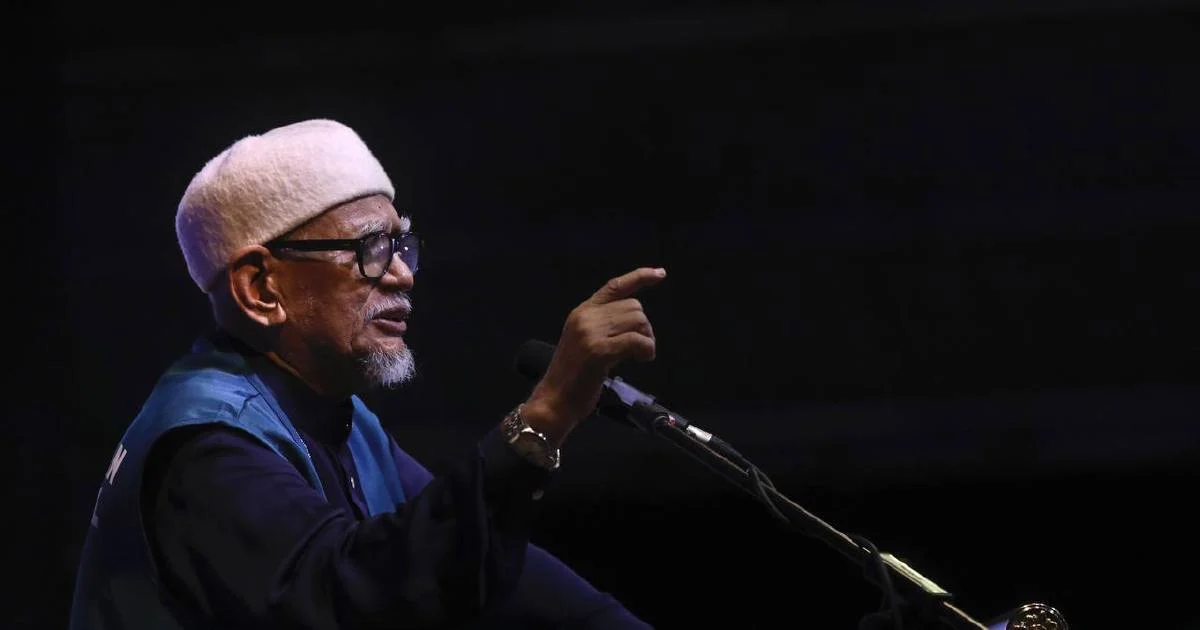
Tan Sri Abdul Hadi Awang has moved to emphasise that Pas' decision to channel voter support towards Barisan Nasional candidates across Johor seats not contested by Perikatan Nasional flows from a foundation of genuine political partnership and sincerity rather than temporary electoral convenience. Speaking in Muar, the Pas president sought to characterise the arrangement as reflective of deeper ideological alignment and mutual respect between the two Malay-Muslim dominated coalitions, underscoring that such cooperation represents more than mere vote-counting calculations.
The statement carries considerable weight within Malaysia's fractious political landscape, where coalition partnerships frequently attract scepticism from grassroots supporters who fear their votes may be traded away without meaningful reciprocal benefits. By framing the electoral arrangement in terms of authentic commitment and emotional resonance—using the phrase "heart-to-heart" connection—Hadi appears to be addressing potential concerns among Pas members and sympathisers that the party is compromising its principles through alliances of convenience. This rhetorical positioning becomes particularly important as Pas navigates the delicate balance between maintaining its identity as an Islamic-oriented party while simultaneously operating within multi-party coalitions at state and federal levels.
The Johor electoral scenario reflects broader patterns within Malaysia's divided opposition and government coalitions, where parties frequently adjust tactical arrangements based on electoral mathematics and seat negotiations. Pas has historically positioned itself as a bridge between different coalition frameworks, simultaneously maintaining formal ties with multiple political alliances depending on electoral contexts and state-level considerations. This flexibility, while pragmatically useful, occasionally generates internal party tensions and external criticisms regarding the clarity of Pas' strategic direction.
The arrangement under discussion appears to follow a practical formula: where Perikatan Nasional chooses not to field candidates, Pas voters receive implicit or explicit direction to support Barisan Nasional representatives, thereby consolidating opposition votes and potentially maximising combined vote shares against other political groupings. Such coordination mechanisms have become increasingly common in Malaysian electoral contests, reflecting the fragmentation of the political landscape and the strategic necessity of formal or informal seat-sharing understandings. However, the public presentation of such arrangements remains sensitive, as excessive emphasis on tactical considerations can alienate voters who prefer to perceive themselves as supporting parties based on policy platforms and ideological positioning.
Hadi's invocation of emotional and relational language—the "heart-to-heart" framing—serves multiple political purposes simultaneously. For internal party audiences, it suggests that Pas leadership exercises careful stewardship of the party's interests and values when entering into electoral partnerships. For external observers and rival political formations, it projects confidence and conviction about Pas' strategic direction. For voters in contested constituencies, it provides psychological reassurance that coalition arrangements emerge from principled considerations rather than cynical horse-trading among political elites.
Within the Malaysian political context, such statements by party leaders function as important signals to multiple audiences simultaneously. Party members scrutinise messages for evidence that leadership prioritises party welfare and principles. Coalition partners watch carefully to gauge commitment levels and potential reliability in future negotiations. Opposition forces listen for signs of ideological inconsistency or evidence that coalition partners might shift allegiances. Ordinary voters attempt to decipher whether their chosen party genuinely represents their interests or has become absorbed into unprincipled power-sharing arrangements.
The Johor situation gains particular significance given that state's substantial electoral weight within national politics and its historical importance as a political battleground. Control of Johor's state assembly and federal constituencies carries implications well beyond provincial boundaries, influencing calculations regarding government formation and power distribution at the national level. Consequently, coalition arrangements in this state receive magnified scrutiny from political analysts, party strategists, and media commentators.
Pas' positioning within Malaysian politics has evolved considerably over recent years, transitioning from consistent opposition status to participation in various government coalitions at state and federal levels. This trajectory has required considerable political flexibility and strategic recalibration, generating ongoing debate within the party regarding optimal approaches to political alignment and coalition formation. The Johor arrangement represents merely one instantiation of these broader strategic dilemmas that Pas faces when attempting to maximise electoral advantage while maintaining party identity and supporting voter confidence.
The rhetorical emphasis on sincerity and emotional connection rather than purely transactional calculations reflects broader patterns within Malaysian political discourse, where parties attempt to distinguish their partnerships from purely instrumental arrangements. Whether such distinctions resonate with voters or appear primarily as convenient framing for unavoidable political compromises remains an open question, ultimately dependent on how voters perceive outcomes and how parties deliver on promises emerging from coalition cooperation.
Looking forward, the test of Hadi's characterisation will emerge through concrete electoral results and the subsequent behaviour of coalition partners regarding seat allocations, policy priorities, and resource distribution. Voter responses in Johor constituencies will provide the ultimate verdict on whether the partnership framework successfully consolidates support or generates friction between coalition components and their respective constituencies.

