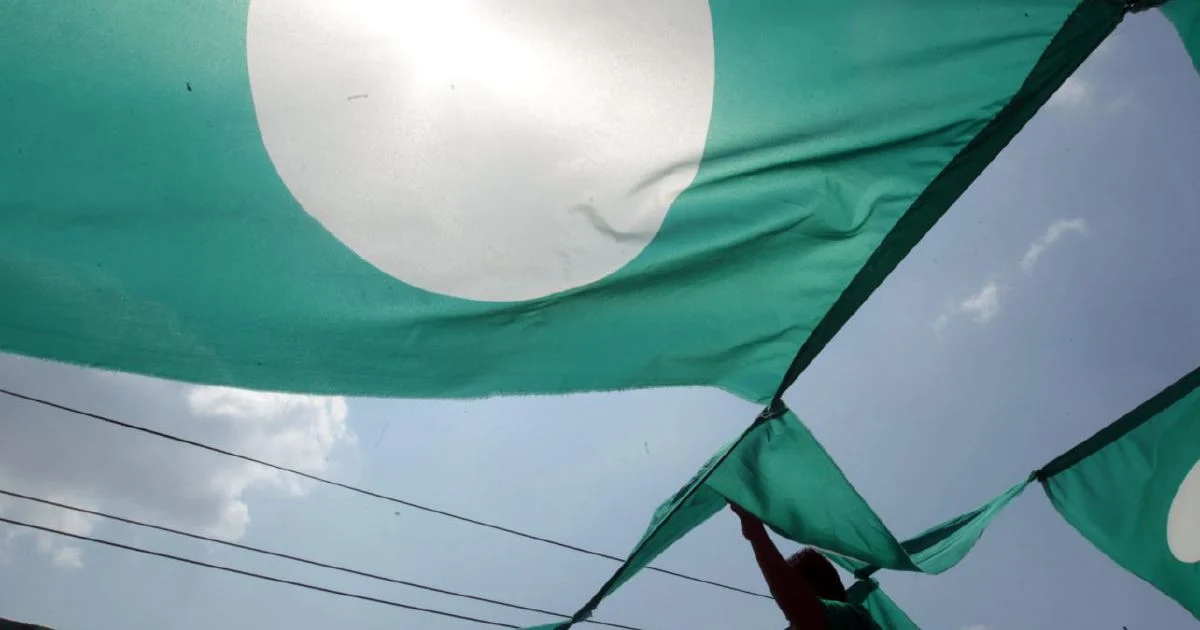
Malaysia's political landscape continued its steady fragmentation this week as several senior PAS leaders converged on the Islamic party's headquarters in Kuala Lumpur for high-level consultations. The gathering, centred on an opposition members of parliament pre-council meeting, underscores the mounting complexities threatening to reshape the balance of parliamentary power and coalition dynamics ahead of critical legislative votes. The venue itself—the party's flagship office on Jalan Raja Laut—carries symbolic weight in Malaysian politics, serving as a stage for significant internal party decisions and inter-party negotiations.
The timing of the meeting carries particular significance given the deepening rift between PAS and fellow opposition coalition member Bersatu, suggesting that strategic recalibrations may be underway. Coalition tensions have become increasingly visible in recent weeks, with disagreements over legislative priorities and party positioning threatening to undermine the unified front that opposition parties have attempted to maintain. The pre-council session indicates that PAS is convening its parliamentary bloc separately to chart its own course and align messaging among its members of parliament before broader coalition discussions take place.
Bersatu's relationship with its opposition partners has deteriorated noticeably, stemming from competing visions about the coalition's direction and apparent disputes over resource allocation and leadership recognition within the alliance. The party, which retains significant parliamentary representation, has grown increasingly assertive in demanding greater influence over joint opposition strategy. This assertiveness has created friction particularly with PAS, which maintains its own independent base and religious credentials that appeal to a distinct voter demographic compared to Bersatu's political positioning.
Within Malaysia's fluid parliamentary environment, such fractious coalition relationships carry consequences that extend far beyond internal party politics. Opposition unity has historically been the primary mechanism through which non-Perikatan parties can meaningfully influence legislative outcomes and provide scrutiny of government policies. When coalition members pursue divergent strategies or prioritise internal scoring over unified messaging, the effectiveness of parliamentary oversight diminishes substantially. The current tensions suggest that opposition MPs may lack coordinated positions on upcoming votes, potentially allowing the government greater latitude on contentious legislation.
PAS's decision to convene its parliamentary members separately reflects the party's calculation that it must preserve independent political space and decision-making capacity. The Islamic party faces its own internal pressures, balancing its roles both as an opposition voice and as a party with governance aspirations in states where it maintains influence. This dual positioning makes PAS vulnerable to being caught between coalition demands and its own political interests—a tension that becomes more pronounced as coalition unity frays.
The participation of Hamzah in these discussions suggests that informal leadership structures within the opposition remain active despite the absence of formal coalition coordination mechanisms. Hamzah's involvement indicates that certain senior opposition figures are attempting to maintain backstage communication channels even as public coalition unity deteriorates. These private conversations often prove more consequential than formal statements, allowing political actors to explore possible compromises and understand each other's bottom-line positions without public commitment.
Bersatu's position as an erstwhile Perikatan government member continues to complicate its integration within the broader opposition alliance. The party carries institutional memories of governing and relationships with bureaucratic structures that other opposition parties lack, potentially creating friction over how aggressively to pursue certain lines of attack against the government. Additionally, Bersatu retains ambitions of returning to government power, which may lead the party to calculate differently on strategic questions than parties with primarily opposition identities.
The opposition's challenges extend beyond personal tensions between party leaders to fundamental questions about coalition architecture and governance models. As Malaysian politics continues its post-2022 restructuring, various opposition parties are testing different strategic alignments while attempting to maintain sufficient unity to present credible alternatives to the electorate. The current fraying represents part of this longer adjustment process as parties discover which partnerships are genuinely workable and which impose unacceptable costs.
For Malaysian voters and civil society observers, these behind-the-scenes negotiations matter primarily insofar as they affect the quality of parliamentary scrutiny and the vitality of democratic debate. When opposition parties fracture and turn inward, legislative sessions become venues for personal scores and intra-coalition warfare rather than substantive policy discussion. The erosion of opposition discipline ultimately diminishes parliamentary effectiveness regardless of which party holds government, reducing the institutions' capacity to serve its oversight function.
Looking ahead, PAS leaders face difficult choices about whether to attempt rebuilding coalition unity with Bersatu, maintain an independent opposition stance, or pursue entirely different political arrangements. Each option carries distinct consequences for the party's parliamentary influence, electoral positioning, and long-term political viability. The pre-council meeting represents an important moment for the party to crystallise its strategic thinking as Malaysia's political configuration continues its ongoing evolution.