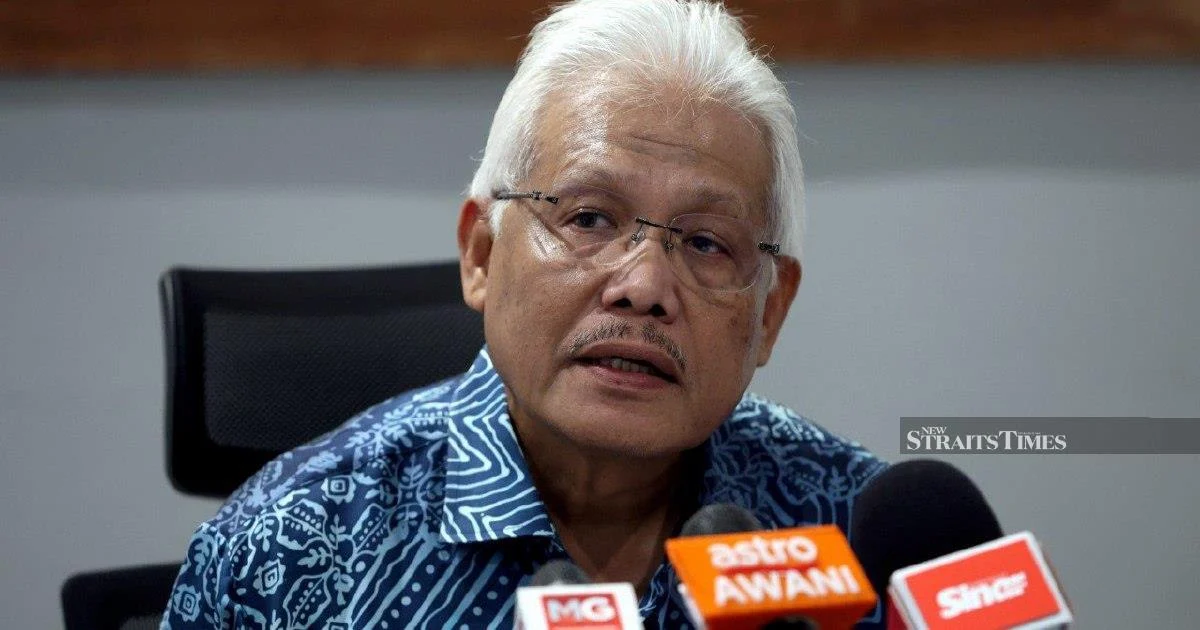
Parti Wawasan Negara has signalled its willingness to function as a bridge between Pas and Umno, two dominant forces in Malaysia's Malay-Muslim political landscape. The party, previously known as Parti Cinta Malaysia, believes it can play a constructive role in mending tensions between these two heavyweights and consolidating their respective constituencies around shared objectives that benefit the broader population.
The strategic positioning reflects growing concerns within certain political circles about the fragmentary effect of ongoing rivalry between Pas and Umno. Competition between these parties has historically intensified during electoral cycles and during periods of policy divergence, occasionally creating instability within the broader coalition structures that depend on their cooperation. By offering itself as a neutral ground for dialogue, Parti Wawasan Negara hopes to facilitate communication channels that might otherwise remain blocked by partisan friction.
Malay-Muslim unity has long been framed as a cornerstone of political stability in Malaysia, and the concept carries significant weight in public discourse across the country. Hamzah Zainudin's proposed intermediary role taps into this foundational narrative, suggesting that preserving cohesion among parties claiming to represent Malay-Muslim interests ultimately serves the electorate better than protracted internecine conflict. This framing appeals to constituencies that prioritize institutional harmony over aggressive competition.
The party's rebranding from Parti Cinta Malaysia to Parti Wawasan Negara signals a deliberate effort to reposition itself within Malaysia's political ecosystem. The new nomenclature emphasizes national vision and perspective, suggesting an orientation toward broader concerns beyond sectarian interest. This messaging strategy aims to present the party as sufficiently independent to mediate impartially, yet sufficiently aligned with mainstream concerns to command respect from both Pas and Umno leadership.
Historically, Umno has dominated Malay political representation for decades, claiming to champion the constitutional settlement that protects Malay-Muslim interests under the Federal Constitution. Pas has progressively challenged this monopoly, especially following organisational reforms and electoral successes that expanded its influence in several states. The competition between them reflects differing ideological emphases: Umno typically emphasizes constitutional nationalism and development-focused governance, while Pas advocates more explicitly Islamic approaches to policy and administration.
For Malaysian voters, particularly those in key constituencies where competition between Pas and Umno determines electoral outcomes, the possibility of reconciliation carries real implications. Divided opposition to the ruling coalition strengthens governing parties' electoral prospects, as fragmented Malay-Muslim support reduces their collective bargaining power in parliament. Conversely, consolidated voting blocs can reshape coalition mathematics and policy priorities substantially.
Partisan divisions also create administrative complications in states where these parties hold authority separately or conjointly. Misaligned governance priorities between Pas-administered states and Umno-controlled regions can create policy inconsistencies that complicate implementation of national programmes. Federal initiatives requiring state cooperation occasionally stall when ruling parties in those states maintain adversarial relationships with federal authorities or each other.
Partai Wawasan Negara's intervention initiative must contend with several structural obstacles. Both Pas and Umno have established party machinery, dedicated support bases, and leadership structures with entrenched interests in maintaining competitive advantage. Neither party has obvious incentive to dilute its distinct identity by appearing subsumed within another's agenda. The mediator role therefore requires careful navigation between demonstrating genuine neutrality while avoiding perception as irrelevant or inconsequential.
The timing of this overture also matters considerably. Electoral cycles, policy disputes, or leadership transitions within either Pas or Umno create windows where dialogue becomes more feasible. Conversely, periods of heightened partisan competition make bridge-building initiatives appear naive or performative to sceptical observers within these parties' hierarchies.
For Malaysia's broader political landscape, success or failure of such mediation efforts carries implications extending beyond Pas-Umno relations. The demonstration effect influences how other parties, particularly those representing non-Malay communities, approach their own inter-party dynamics. A demonstrated capacity to broker meaningful consensus among competing parties could enhance Parti Wawasan Negara's own electoral credibility and attract voters seeking alternatives to intensifying polarization.
Regionally, Malaysia's internal political alignments influence Southeast Asian dynamics involving Islamic governance, constitutional frameworks, and majority-minority community relations. How Malaysia manages tensions between competing visions of Malay-Muslim political representation carries subtle but significant consequences for broader regional patterns of governance and political expression across Muslim-majority democracies.
The ultimate effectiveness of Parti Wawasan Negara's proposed intermediary role depends on whether its leadership can develop institutional mechanisms for sustained dialogue that transcend rhetorical gestures. This requires demonstrating genuine value-addition to both Pas and Umno beyond symbolic bridge-building. Without concrete mechanisms for translating dialogue into practical cooperation on policy implementation or electoral strategy, such overtures risk becoming forgotten political theatre.

