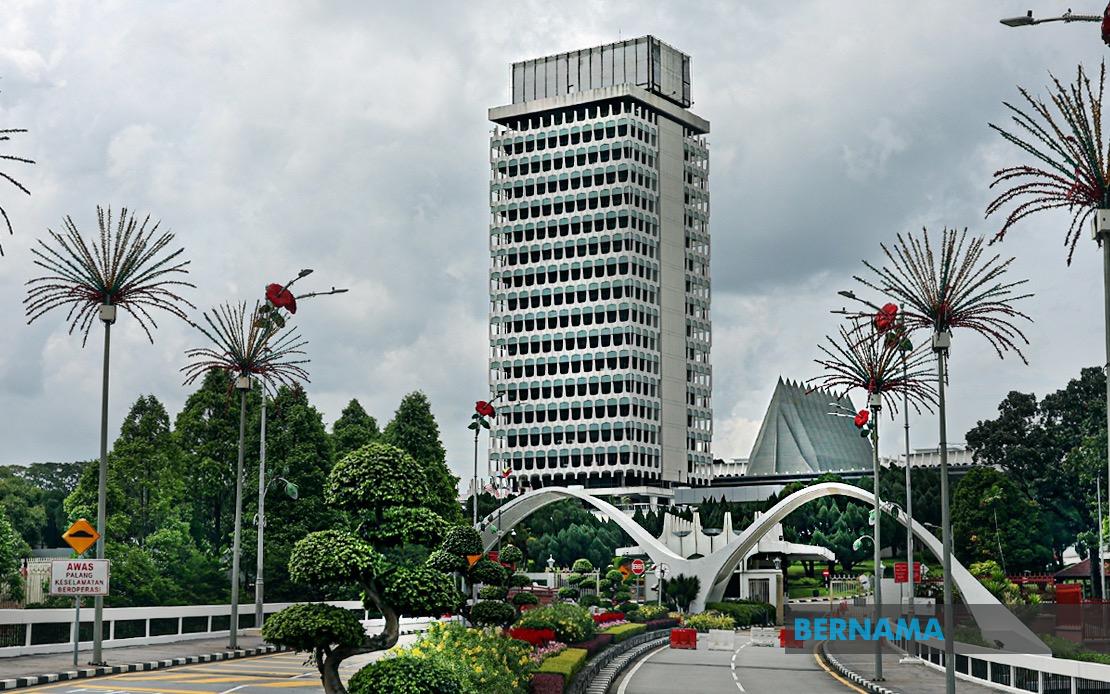
In a measured start to its latest sitting, Malaysia's parliament passed just one bill during the first week of proceedings, signalling a cautious legislative pace as the chamber tackles multiple pressing national concerns. The Road Transport (Amendment) Bill 2026 emerged as the sole successful passage, introducing measures that Transport Minister Anthony Loke framed as essential to closing a significant enforcement gap in combating illegal street racing across the country.
The amendment introduces Section 42A to the Road Transport Act, fundamentally altering how authorities pursue racing-related offences. Previously, enforcement officials faced a legal obstacle requiring them to wait for tangible harm—an accident, injury, or death—before taking decisive action against illegal racing activities. This created a catch-22 scenario where police needed to demonstrate either imminent danger or actual consequences, making preventive intervention difficult. The new section permits enforcement action to commence at an earlier stage, effectively removing this legal impediment and allowing authorities to intervene before tragedies occur. For road safety advocates and enforcement agencies, the amendment represents a breakthrough in proactive policing strategy.
Looking ahead, Loke signalled his ministry's intention to table another significant amendment to the Road Transport Act later this year, this time addressing the compensation gap affecting accident victims and their families. The planned amendment would establish a compensation regime for those harmed by drivers operating under the influence of alcohol or drugs, sitting alongside existing punitive measures of fines and imprisonment. This two-pronged approach acknowledges that criminal penalties alone do not address the financial devastation visited upon victims, positioning Malaysia alongside jurisdictions that recognise victim compensation as a component of road safety policy.
While the road transport bill cleared parliamentary hurdles, the Prison (Amendment) Bill 2026 encountered resistance and was deferred for further examination. This legislation originally aimed to authorise the deployment of electronic monitoring devices for prisoners and enable the recruitment of volunteers in rehabilitation programmes. The decision to return the bill to the Parliamentary Select Committee suggests concerns about its current form, whether regarding implementation logistics, oversight mechanisms, or broader policy considerations. Electronic monitoring systems carry both promise and controversy internationally, raising questions about cost-effectiveness, privacy, and genuine rehabilitation outcomes.
Several other bills received their initial parliamentary airing, advancing to first reading stage without passage. These included amendments to legislation addressing sexual offences against children, competition law and the Competition Commission's powers, and a comprehensive cybercrime law intended to supplant the aging Computer Crimes Act 1997. The cybercrime bill particularly matters for Southeast Asian observers, as regional economies grapple with evolving digital threats ranging from financial fraud to state-sponsored hacking. Malaysia's move to modernise its cybercrime framework reflects broader regional momentum toward updating decade-old digital crime legislation.
On the parliamentary personnel front, Dewan Rakyat Speaker Tan Sri Johari Abdul confirmed the restoration of Larut MP Datuk Seri Hamzah Zainudin to his role as opposition leader, effective June 18. Separately, two parliamentary vacancies emerged following the May resignations of Datuk Seri Rafizi Ramli and Nik Nazmi Nik Ahmad, affecting the Pandan and Setiawangsa constituencies. With the Election Commission formally notified under constitutional requirements, these seats now head toward by-election processes, adding to Malaysia's ongoing electoral calendar and potentially reshaping local representation dynamics.
Employment dominated debate as the chamber confronted labour market turbulence. Human Resources Minister Datuk Seri R. Ramanan disclosed that 42,807 workers faced retrenchment between January and June 12, with company closures and workforce reductions as the principal drivers. This figure carries weight for Malaysian workers and their families, reflecting economic pressures rippling through manufacturing, services, and other sectors. Yet Economy Minister Akmal Nasrullah Mohd Nasir offered countervailing observations, highlighting a 20 percent monthly decline in job losses from May to June and emphasising the labour force participation rate's resilience at 70.9 percent. The divergent narratives underscore the complexity of Malaysia's employment landscape—marked by both genuine weakness in specific sectors and underlying structural stability.
Security funding emerged as another priority, with Home Minister Datuk Seri Saifuddin Nasution Ismail announcing government approval for RM22 million in equipment procurement for the Malaysia Border Control and Protection Agency. This allocation addresses operational gaps in firearms and essential kit, reflecting heightened attention to border management as transnational security challenges persist across Southeast Asia. For a nation with extensive maritime borders and land boundaries, such investment in enforcement capacity signals commitment to interdicting smuggling, irregular migration, and cross-border crime.
The ministry overseeing plantation and commodities indicated it would assess the commercial viability of deploying B50 biodiesel blends, acknowledging that existing blending infrastructure would require substantial upgrades to accommodate higher biodiesel concentrations. This deliberation reflects Malaysia's balancing act between energy sustainability ambitions and practical industrial constraints, particularly relevant given the country's prominence in palm oil production and global supply chain disruptions affecting energy markets.
Online safety and child protection crystallised into concrete regulatory obligations. Communications Minister Datuk Fahmi Fadzil highlighted two codes—for child protection and risk mitigation—that took effect June 1, mandating social media platforms implement age-verification systems safeguarding young users. Non-compliance carries penalties reaching RM10 million under the Online Safety Act 2025. For regional tech companies and multinational platforms, Malaysia joins a growing number of jurisdictions imposing age-gating requirements, creating operational and technical challenges. The enforcement approach signals the government's determination to translate protective intent into platform accountability, though implementation effectiveness remains to be seen.
The current parliamentary sitting extends through July 16, providing sixteen days for deliberation on these and other matters. The relatively modest legislative output during the opening week suggests either capacity constraints, prior consultation requirements slowing bills' passage, or deliberate pacing to allow thorough debate. Either way, the range of issues engaging lawmakers—from street safety to border security, employment stability to digital child protection—reflects a parliament contending with Malaysia's complex contemporary policy landscape.

