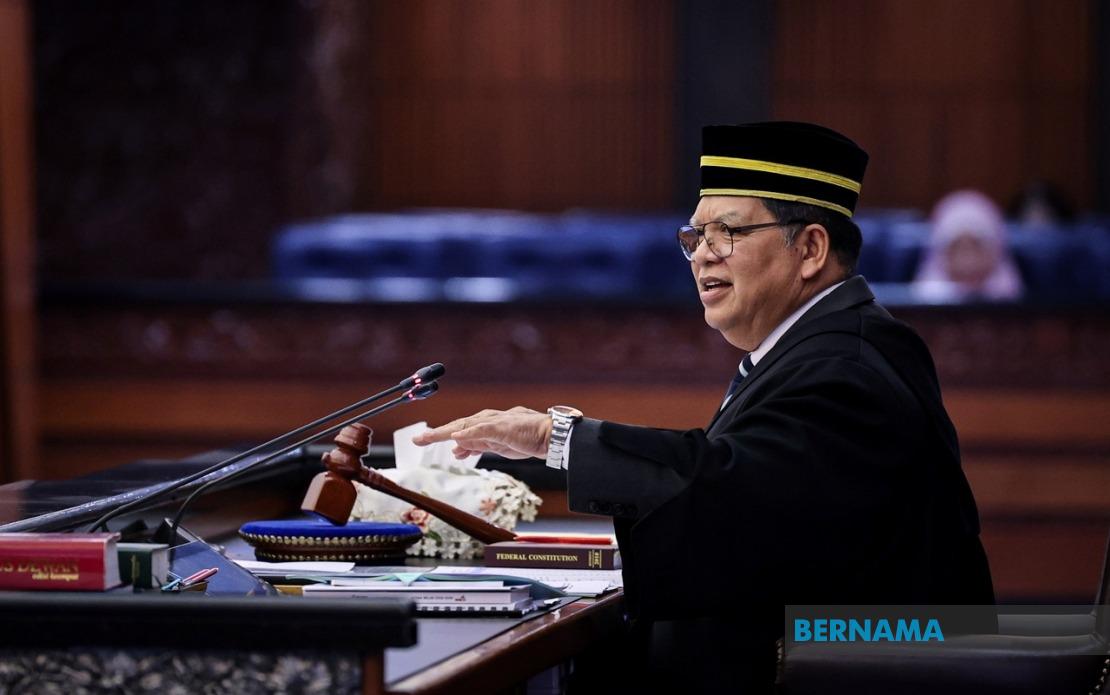
Malaysia's Dewan Rakyat has concluded its Second Meeting of the Fifth Term after a 16-day legislative sitting that stretched from June 22 through today, producing a substantial batch of new laws touching multiple policy domains. Dewan Rakyat Speaker Tan Sri Dr Johari Abdul announced the adjournment following what he characterised as a productive session in which 13 separate Bills secured parliamentary approval, alongside various motions and notable committee reports including SUHAKAM's 2024 Annual Report.
The legislative output reflects government priorities across several critical areas of national concern. Three Bills addressing road safety, child protection, and digital security—the Road Transport (Amendment) Bill 2026, the Sexual Offences Against Children (Amendment) Bill 2026, and the Cybercrimes Bill 2026—topped the agenda and indicate sustained parliamentary focus on safeguarding vulnerable populations and modernising enforcement capacity in the digital sphere. These measures align with Malaysia's ongoing commitment to combating evolving threats to public safety, particularly concerning offences involving minors and emerging cybercriminal activity.
Competition law underwent significant legislative attention during the sitting, with both the Competition (Amendment) Bill 2026 and the Competition Commission (Amendment) Bill 2026 advancing through parliament. This dual approach suggests refinement of Malaysia's competition framework to strengthen market oversight and enforcement mechanisms. Simultaneously, the Control of Padi and Rice (Amendment) Bill 2026 proceeded, underscoring the government's continued regulatory engagement with domestic agricultural staples—an enduring concern for a nation seeking food security and support for rural producers.
Legal and institutional mechanisms received further enhancement through passage of the Witness Protection (Amendment) Bill 2026, which strengthens safeguards for individuals cooperating with criminal justice proceedings, and the Social Work Profession Bill 2026, which formalises standards within the social services workforce. These companion measures reflect parliamentary recognition that effective law enforcement and social service delivery depend partly upon robust protective frameworks and professional standards.
Communications and digital infrastructure rounded out the legislative agenda. The Communications and Multimedia (Amendment) Bill 2026 and the Malaysian Communications and Multimedia Commission (Amendment) Bill 2026 advanced together, suggesting coordinated modernisation of the regulatory and institutional architecture governing Malaysia's telecommunications and media sectors. Complementing this focus, the National Trust Fund Bill 2026 and the Statistics Bill 2026 addressed financial governance and data infrastructure respectively, indicating broader emphasis on institutional capacity and transparency.
Beyond formal legislation, the sitting encompassed three ministerial briefings and one additional briefing conducted within parliament's Special Chamber, alongside six separate committee presentations regarding substantive reports. This breadth of parliamentary business demonstrates that the chamber's work extends considerably beyond bill passage, incorporating ongoing oversight and information-sharing between executive and legislative branches on matters ranging from policy implementation to investigative findings.
Speaker Johari employed his closing remarks to emphasise wellness and administrative discipline. He directed all Members of Parliament to complete mandatory health screenings by October 30 and to lodge their health records for parliamentary safekeeping, a requirement he contextualised within the upcoming electoral campaign period. This directive reflects institutional concern for parliamentary capacity and member welfare during an anticipated period of heightened political activity and campaign demands across the country.
The Speaker also announced that Malaysian Parliament would host a programme open to Members of Parliament, parliamentary staff, Youth Parliament participants, and members of the general public, though details of this initiative were not fully articulated in his prepared remarks. Such outreach initiatives typically serve educational or engagement functions, connecting parliamentary institutions with broader segments of Malaysian society.
In his formal closing, Johari expressed appreciation to all Members of Parliament for demonstrated cooperation throughout the sitting period. His commendations extended to government officials, parliamentary administrative staff, journalists covering parliamentary proceedings, and all others involved in the complex logistical and procedural management of parliamentary operations. Such acknowledgment reflects the interdependent nature of legislative function in Malaysia's democratic system.
The adjournment was declared to an unspecified future date, leaving the resumption of regular parliamentary sittings contingent upon the Speaker's determination. This procedural flexibility permits administrative adjustment of parliamentary schedules in response to government priorities, electoral calendars, or other contingencies affecting the legislative programme. For Malaysian observers and international stakeholders monitoring parliamentary activity, the completion of this sitting represents a significant checkpoint in the legislative cycle, with the subsequent session potentially addressing remaining items on the government's legislative agenda.

