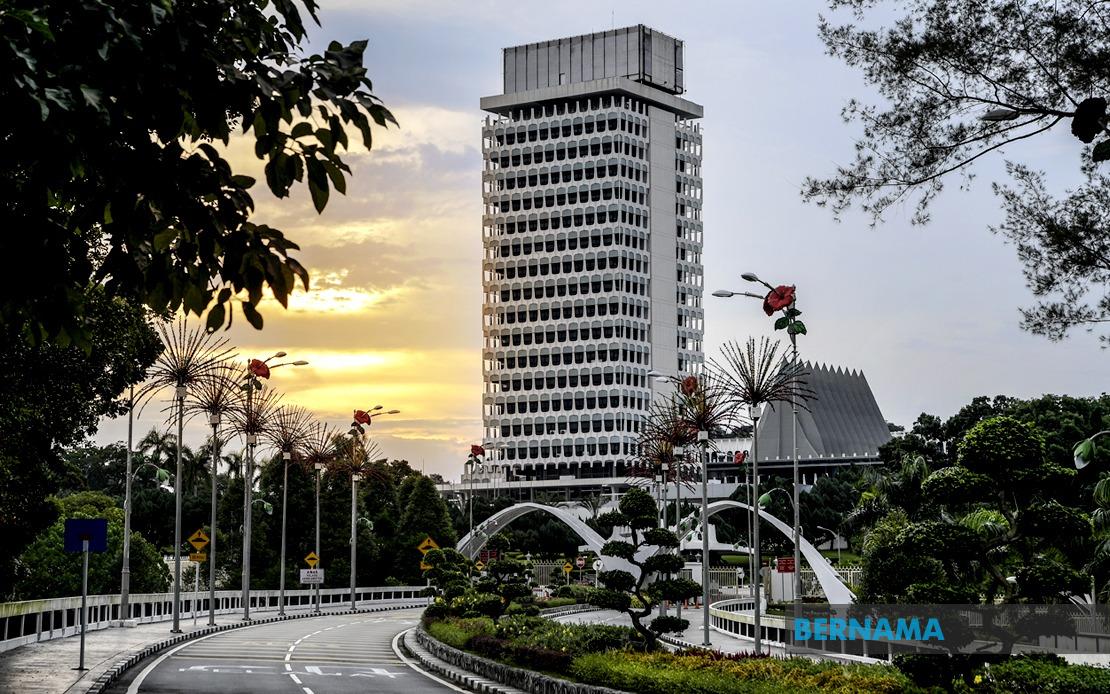
Legislators will return to the Dewan Rakyat today to grapple with several pressing policy concerns, including the adequacy of health insurance protections for vulnerable patients and the capacity of ordinary Malaysians to accumulate sufficient retirement savings. The two-week parliamentary session, which runs through July 16, has packed its agenda with questions addressing gaps in social protection systems and economic development initiatives that touch the lives of working families and rural communities across the country.
Health insurance has emerged as a critical flashpoint in recent parliamentary deliberations. Tan Kok Wai, the PH representative for Cheras, will press the Finance Minister during Question Time to outline what measures the government intends to implement to strengthen the regulatory framework governing insurance companies. His focus will centre on protecting policyholders with critical illnesses and cancer diagnoses from the twin risks of arbitrary policy termination and unjustified rejection of legitimate claims. Beyond these immediate protections, Tan will also probe whether the government plans to overhaul transparency standards in the insurance sector and establish more effective mechanisms for resolving disputes between insurers and customers—questions that reflect growing public frustration with the current complaints-handling apparatus.
The adequacy of retirement income for ordinary workers looms equally large in today's proceedings. Datuk Seri Aminuddin Harun, representing Port Dickson for Pakatan Harapan, will ask the Finance Minister to detail the government's comprehensive strategy for ensuring that Malaysian workers, particularly those enrolled in the Employees Provident Fund, can accumulate pension savings sufficient to sustain them through old age. This inquiry arrives at a moment of acute economic pressure, with inflation eating into household purchasing power and the nation facing demographic headwinds as its population ages rapidly toward 2030. The question implicitly challenges policymakers to reconcile the rising cost of living—which squeezes workers' ability to save—with the growing dependency ratio that will strain public services and healthcare systems in the coming years.
Youth development through competitive sports will also feature prominently in today's exchanges. Zakri Hassan, the PN member for Kangar, will ask the Youth and Sports Minister to explain the ministry's strategy for identifying and nurturing volleyball talent at both the indoor and beach variants of the sport. This question reflects a broader effort within government to systematise talent recruitment and coaching pathways, moving beyond ad hoc approaches to create sustainable pipelines of excellence in sporting disciplines where Malaysia has potential to compete regionally and internationally.
Rural economic development and digital inclusion emerge as interconnected challenges that will draw parliamentary scrutiny. Hassan Saad, also representing a PN-held seat in Baling, will question the Communications Minister about the effectiveness of the National Information Dissemination Centres (NADI) in lifting the socio-economic circumstances of rural communities. His inquiry will focus on persistent deficits in three critical areas: the infrastructure and affordability of internet connectivity in remote areas, the digital literacy skills available to rural entrepreneurs, and the market access and promotional capabilities that small business owners can leverage to sell their wares beyond their immediate localities. These interconnected gaps have long hampered rural Malaysia's ability to participate fully in the digital economy.
Two additional matters regarding subsidies and small business financing will occupy the afternoon's proceedings. Ministers will be asked to defend the effectiveness of the Mobile eCOSS application, a tracking system introduced in May 2025 designed to prevent leakage and abuse of government subsidies for cooking oil sold at controlled prices. Separately, another question will probe whether the government's various financing schemes have genuinely assisted micro, small and medium enterprises (MSMEs) in accessing the capital they require to grow. Both questions implicitly signal parliamentary concern about whether recent policy interventions have succeeded in their stated objectives or whether implementation gaps remain.
Parliament will then shift focus to legislative business requiring sustained deliberation. The Health Select Committee's chairman will present findings from a comprehensive review of Malaysia's organ donation and transplantation system, laying groundwork for potential reforms to boost donation rates and expand access to life-saving transplants. Subsequently, legislators will resume debate on the Competition (Amendment) Bill 2026 at the committee stage, a technical legislative process in which members scrutinise proposed amendments clause-by-clause, before advancing to final winding-up remarks. The parliament will also conduct the second reading of the Competition Commission (Amendment) Bill 2026, a related measure designed to strengthen the institutional capacity of Malaysia's competition regulator.
These matters collectively illustrate the breadth of governance challenges facing Malaysia in mid-2025. From healthcare access and income security through to rural development and competitive markets, the issues dominating parliamentary attention reflect the interconnections between public policy and household welfare. For Southeast Asian observers, Malaysia's parliamentary focus on health insurance reform and retirement adequacy highlights regional patterns of concern about the adequacy of social protection systems as societies develop economically but face demographic pressures and inflation. The emphasis on rural digital inclusion similarly echoes regional conversations about narrowing urban-rural divides through connectivity and skills development. As the parliamentary session continues through July 16, these debates will shape the contours of Malaysian social and economic policy in the months ahead.

