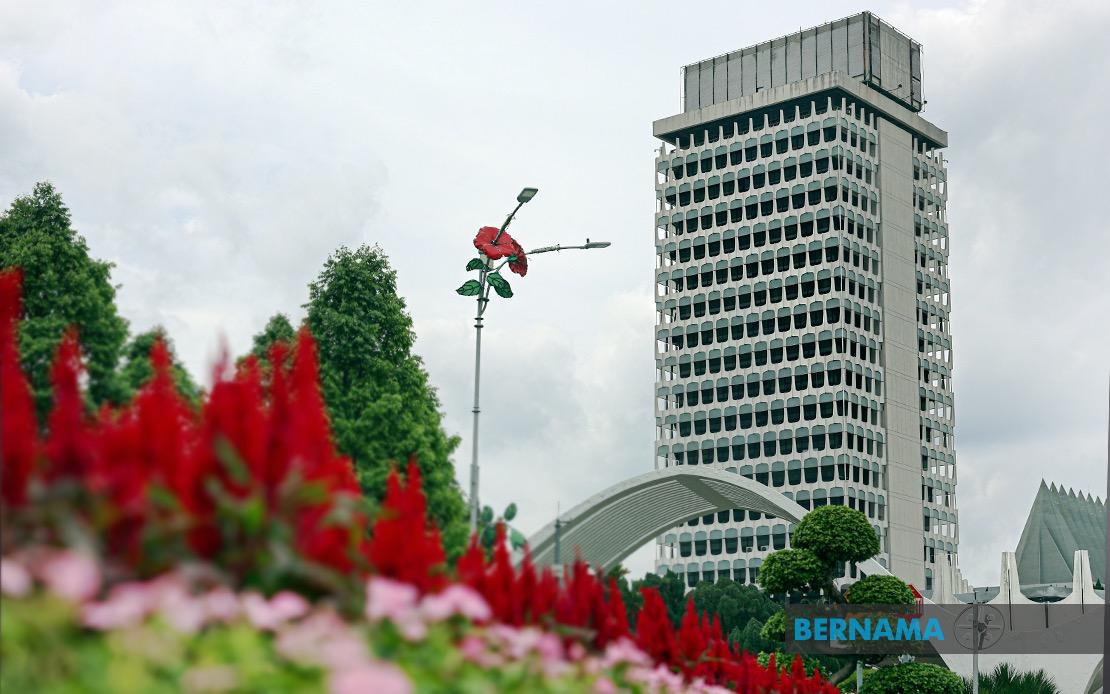
Malaysia's parliament is set to scrutinise the government's readiness to withstand the looming El Niño phenomenon, with lawmakers demanding clarity on how authorities will protect the nation's food security and farming sector as climate pressures mount. The session, which forms part of the 15th Parliament's fifth sitting, will place considerable weight on agricultural preparedness given the vulnerability of Malaysia's smallholder farming communities and the interconnected risks to regional food chains across Southeast Asia.
Bakti Jamaluddin from Tangga Batu will press the Agriculture and Food Security Minister to elaborate on comprehensive preparations designed to mitigate El Niño's effects. The questioning will probe deeper than mere acknowledgment of the threat, focusing instead on tangible interventions affecting irrigation infrastructure, paddy field productivity, vegetable and grain harvests, and the viability of livestock operations that depend on consistent feed and water availability. Malaysia's reliance on imported foodstuffs makes domestic agricultural stability a critical national concern, and any significant disruption could cascade through supply chains across the broader region, pushing up costs for consumers and straining the food security calculus that policymakers have worked to strengthen over recent years.
Parallel to agricultural concerns, parliament will confront a troubling incident involving the military establishment. Datuk Mohd Isam Mohd Isa will demand answers from the Defence Minister regarding a hand grenade explosion that occurred during a Malaysian Armed Forces training exercise, seeking not only an account of what triggered the blast but also assurances that institutional safety protocols have been fundamentally reviewed and reinforced. Military accidents carry profound consequences for personnel welfare and public confidence in the professionalism of Malaysia's defence apparatus. The inquiry reflects parliament's appropriate duty to oversee armed forces operations and ensure that training environments prioritise the safety of service members through rigorous adherence to standard operating procedures.
The grenade incident underscores broader questions about training infrastructure and procedural rigour within the military establishment. As Malaysia continues modernising its defence capabilities and conducting complex joint exercises, the parliament's scrutiny on this matter serves as an important accountability mechanism. Any lapses in safety discipline must be identified and corrected swiftly to prevent future tragedies and maintain operational effectiveness. The Defence Minister's response will likely outline investigative findings and concrete measures to strengthen oversight of training activities.
Concern over the spread of deviant religious teachings will also feature prominently in the day's proceedings. Sabri Aziz will raise the government's capacity to address theological extremism and the mechanisms being deployed to guide individuals who have drifted from orthodox Islamic instruction back to mainstream doctrine. This remains a persistent challenge across Malaysia and the broader Southeast Asian region, where competing ideological narratives vie for adherents, particularly among younger demographics susceptible to radical messaging disseminated through digital platforms. The government's response will reveal its current intervention strategies and the extent to which religious authorities, civil society, and rehabilitation programmes are being leveraged to counter extremism.
Administrative governance of Kuala Lumpur City Hall will draw parliamentary attention as Tan Kok Wai seeks clarity on reforms following the Feasibility Study of the Federal Capital Act 1960. The questioning signals parliament's interest in how municipal administration, institutional integrity, and public service delivery standards will evolve within the capital's governance framework. These administrative improvements carry implications beyond Kuala Lumpur itself, as the federal capital serves as a model for governance practices that influence municipal administration across other Malaysian cities.
Public health concerns, particularly the rising incidence of non-communicable diseases among younger Malaysians, will occupy parliamentary focus when Datuk Dr Richard Rapu queries the Health Minister on diabetes and hypertension prevalence in the below-30 age group. This line of questioning reflects growing alarm across Southeast Asia at the acceleration of lifestyle-related diseases that once predominantly affected older populations. The effective implementation of the War on Sugar campaign and sugar tax enforcement will be scrutinised as critical tools for reducing obesity and improving metabolic health outcomes.
The prevalence of diabetes and hypertension in younger demographics signals a worrying shift in Malaysia's disease burden profile and raises questions about the adequacy of current preventive health strategies. Rising rates among working-age adults compound economic pressures on households and strain healthcare budgets, making the evaluation of existing interventions essential. Parliament's examination of campaign effectiveness will provide valuable insight into whether government health messaging and fiscal measures are translating into genuine behavioural change or whether more aggressive policy levers are required.
Beyond individual questions, parliament will also receive the National Trust Fund Bill 2026 for its second reading, introduced by the Finance Minister. This legislative initiative will likely occupy substantive debate time as lawmakers assess its provisions and fiscal implications. The bill's presentation coincides with growing interest in mechanisms that ensure transparent management of national resources and enhance long-term wealth preservation for future generations.
The sitting concludes a 16-day parliamentary session marked by diverse policy preoccupations spanning climate adaptation, national security, religious affairs, urban governance, public health, and financial stewardship. Parliament's engagement with these topics demonstrates the breadth of governance challenges confronting Malaysia simultaneously, from immediate threats like El Niño to systemic issues such as non-communicable disease prevalence. The quality of parliamentary scrutiny and government responsiveness in these areas will shape policy trajectories affecting millions of Malaysians and ripple across Southeast Asian economies and societies linked through trade, shared environmental vulnerabilities, and demographic trends.

