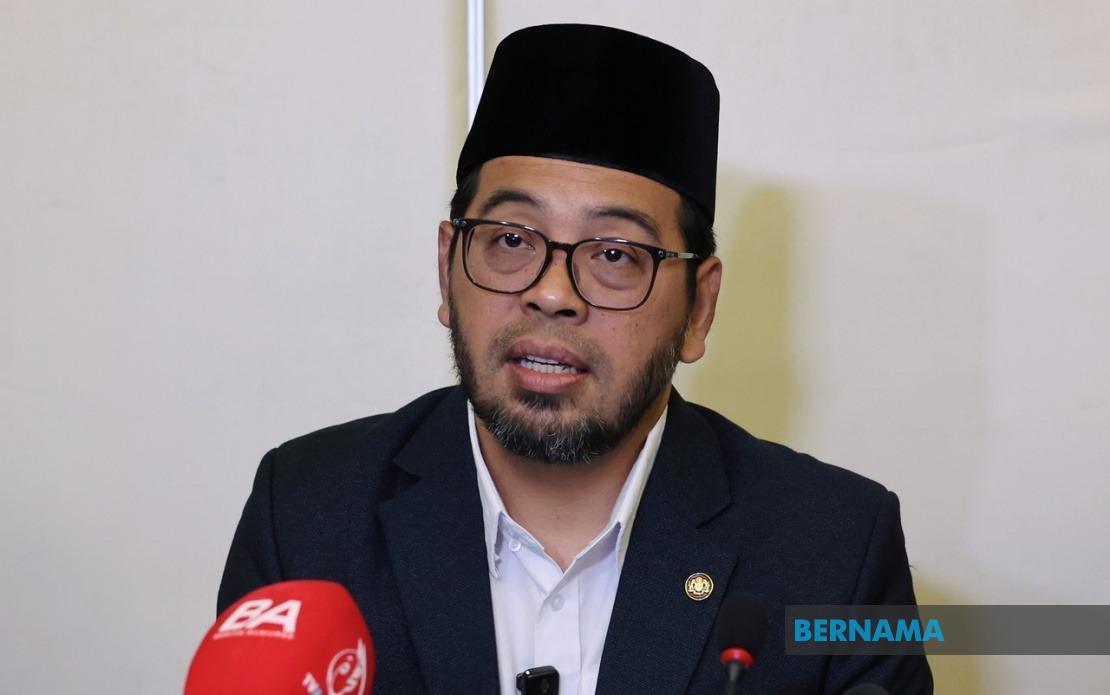
Parliament will convene in a special sitting tomorrow morning to examine the long-awaited Royal Commission of Inquiry report into the management and operations of Lembaga Tabung Haji between 2014 and 2020. The 211-page document, publicly released on July 29 following government approval to disclose its contents, will come under parliamentary scrutiny as lawmakers debate findings that have already sparked expectations of accountability measures. Minister in the Prime Minister's Department (Religious Affairs) Dr Zulkifli Hasan confirmed he will deliver a ministerial briefing on the RCI findings, with the sitting scheduled to commence at 10 am.
The decision to allow full parliamentary debate represents a significant step in addressing concerns that have surrounded the Islamic pilgrimage savings fund for several years. Tabung Haji, which manages savings for Malaysian Muslims preparing for the hajj pilgrimage, has been under intense public scrutiny following reports of management lapses and financial irregularities. The Royal Commission's investigation into the institution's operations during the specified six-year period is expected to shed light on systemic issues and identify responsible parties, with the public release of findings demonstrating the government's commitment to transparency in this matter affecting millions of Malaysian Muslim savers.
The government has already signalled its intention to pursue consequences for individuals found culpable in the inquiry's findings. In a brief video statement shared with media outlets, Zulkifli emphasised that the Cabinet has directed that action should be taken against those implicated in the case. This declaration suggests that beyond parliamentary debate, formal administrative or legal measures may follow the inquiry process. Finance Minister II Datuk Seri Amir Hamzah Azizan will support the briefing and assist in winding up parliamentary debate, indicating that the government intends to present a cohesive position on the findings and their financial implications.
The participation of the Finance Ministry underscores the economic dimension of the Tabung Haji inquiry. As Malaysia's premier Islamic financial institution managing billions in hajj savings, any management failures carry serious implications for public trust in government-linked institutions. The involvement of two key ministers signals the gravity with which the administration is treating the matter, positioning it as both a religious affairs and economic governance issue. The coordinated ministerial response suggests the Cabinet has developed a comprehensive strategy for addressing the RCI's recommendations and implementing necessary reforms at Tabung Haji.
Parliamentary interest in the debate appears substantial, with Communications Minister Datuk Seri Fahmi Fadzil previously indicating that at least 40 Members of Parliament have registered to participate in proceedings. This level of engagement reflects the widespread concern across the political spectrum regarding Tabung Haji's stewardship and the need for accountability mechanisms. The opportunity for nearly 40 lawmakers to voice perspectives and raise questions on the inquiry findings during the special sitting will likely produce a comprehensive parliamentary record of concerns and expectations for remedial action.
The special sitting format allows for more focused examination of the RCI report than regular parliamentary business would permit. Rather than being squeezed between routine government announcements and standing orders, the dedicated sitting provides MPs with dedicated time to dissect the 211-page document, question the government's response strategy, and ensure that parliamentary oversight functions effectively. This procedural choice reflects recognition that Tabung Haji's affairs warrant elevated attention given the institution's role in managing religious aspirations and financial security for millions of Malaysian Muslims planning to perform the hajj.
The timing of the parliamentary debate comes nearly two weeks after the RCI report's public release, allowing lawmakers time to review and prepare substantive questions and contributions. This interval between release and parliamentary scrutiny has given stakeholders, including opposition parties, civil society groups, and affected savers, opportunity to analyse the findings and articulate their concerns. The structured debate will now channel these diverse perspectives into the parliamentary record, creating accountability mechanisms and establishing clear expectations for government action.
The Tabung Haji inquiry has broader implications for governance of Malaysian Islamic institutions. The willingness to commission a Royal Commission, publicise its findings, and open them to parliamentary scrutiny sets a precedent for institutional accountability that may extend to other government-linked organisations operating in the Islamic finance and services sectors. This approach also demonstrates responsiveness to public concern about stewardship of institutions handling collective savings and religious obligations, areas where Malaysians place considerable trust.
For savers who have contributed to Tabung Haji over many years, tomorrow's parliamentary debate represents a critical moment in understanding what went wrong during the 2014-2020 period and what safeguards will prevent future mismanagement. The commitment to pursue action against those responsible, coupled with parliamentary oversight, suggests the government recognises the need to restore confidence in the institution. The debate will likely also address systemic reforms required to strengthen governance frameworks, improve transparency, and ensure that Tabung Haji operates with the integrity expected of an institution managing savings linked to one of Islam's five pillars.
The Cabinet's signal regarding action against implicated parties indicates that consequences will likely extend beyond institutional reforms to individual accountability. This signals that the government views the RCI findings as revealing not merely systemic weaknesses but also personal responsibility. As parliament convenes tomorrow, the debate will illuminate precisely which individuals or groups face potential disciplinary action and what forms such action might take, whether administrative, criminal, or both.
The RCI report's examination of Tabung Haji between 2014 and 2020 covers a period encompassing multiple administrations and significant economic challenges including the 2015-2016 commodity downturn and initial phases of the Covid-19 pandemic. Understanding how management decisions during these stressful periods contributed to current concerns will provide important context for assessing institutional resilience and decision-making quality. Tomorrow's parliamentary debate will help establish whether identified failures reflected temporary crisis responses or deeper governance deficiencies requiring structural correction.

