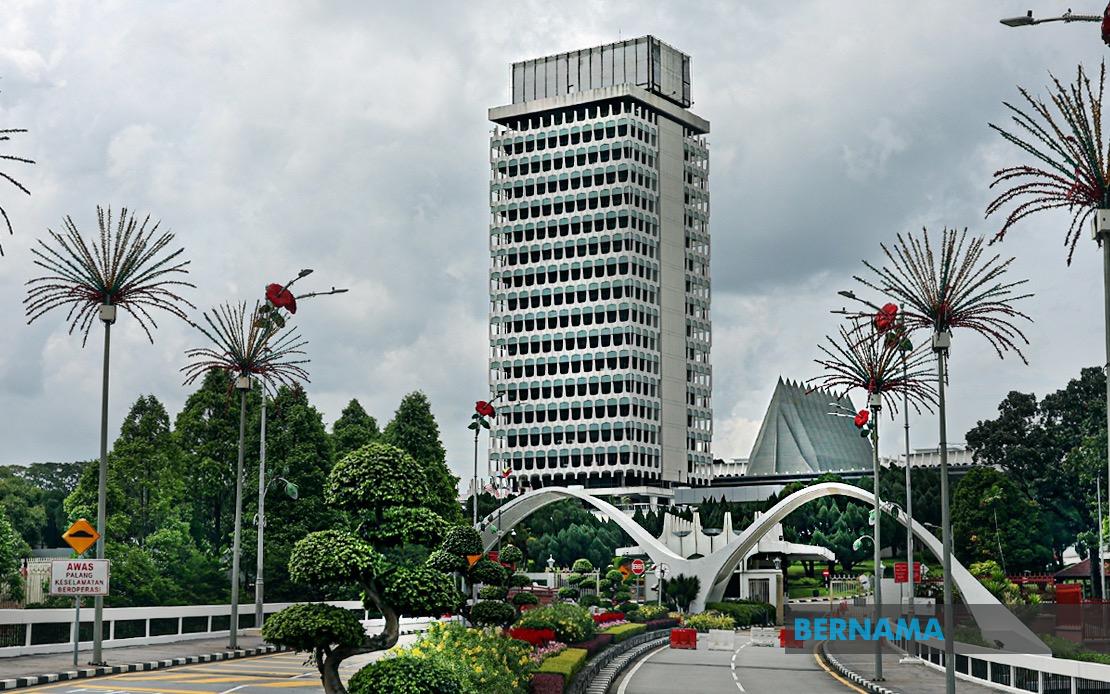
Parliament will turn its attention today to three interconnected policy challenges facing Malaysia: the deployment of renewable energy initiatives, the diplomatic approach toward Myanmar, and the protection of national data infrastructure amid technological advancement. The Dewan Rakyat's agenda reflects mounting parliamentary concern over Malaysia's energy transition, economic resilience, and strategic positioning in Southeast Asia as regional tensions persist and global uncertainty weighs on domestic industries.
The Corporate Renewable Energy Supply Scheme represents a cornerstone of Malaysia's broader strategy to attract investment in green energy while meeting corporate sustainability commitments. Rodziah Ismail from Ampang will press the Minister of Energy Transition and Water Transformation for specifics on how many industrial participants have enrolled in the programme since its inception, and whether the uptake meets government expectations. Her questioning will also probe the recent System Access Charge rate review, a technical but crucial matter for data centre operators who depend on stable electricity pricing to justify capital-intensive operations in Malaysia. The Minister will face scrutiny over whether current electricity tariffs remain competitive enough to attract multinational data centre operators—a sector Malaysia aggressively courts as a pathway to becoming a regional technological hub.
The broader energy landscape looms large in parliamentary discussions. Mohd Syahir Che Sulaiman, representing Bachok, intends to challenge the Minister of Economy on how the National Economic Action Council is cushioning Malaysian businesses against cascading job losses and corporate contractions triggered by the global energy crisis. This line of questioning reflects deepening anxiety among smaller enterprises and manufacturers struggling with elevated operational costs. The government's mitigation measures, which remain largely under public scrutiny, will come under parliamentary review as lawmakers demand concrete evidence of effectiveness.
Fuel subsidies and targeted support mechanisms have become another flashpoint. Datuk Seri Hasni Mohammad from Simpang Renggam will interrogate the Finance Minister on the rationale behind standardising fuel subsidy targeting through MyKad verification systems. His particular concern centres on whether the 200-litre entitlement allocated for both petrol and diesel adequately serves Malaysian consumers, many of whom travel long distances for work or agricultural purposes. This question reflects ongoing tension between fiscal discipline and the electoral expectations of rural and semi-urban voters who rely heavily on automotive transport.
Malaysia's delicate diplomacy toward Myanmar stands to receive pointed parliamentary examination. William Leong Jee Keen from Selayang will demand clarity from the Foreign Minister on how the Five-Point Consensus—a regional framework designed to encourage Myanmar's military junta toward dialogue and democratic restoration—is shaping Malaysian policy in practice. The Five-Point Consensus, endorsed by the Association of Southeast Asian Nations, has yielded limited tangible progress since Myanmar's 2021 coup, and Malaysian parliamentarians appear increasingly sceptical of whether the country's diplomatic efforts through this mechanism justify continued alignment with the consensus approach. The questioning signals potential parliamentary pressure for a more assertive or differentiated Malaysian stance.
Data sovereignty has emerged as an acute concern for Malaysian policymakers navigating the intersection of technological ambition and national security. Datuk Seri Amirudin Shari from Gombak will push the Digital Minister to explain how state-level digital infrastructure initiatives, particularly Selangor's Dark Fiber Network, align with national data protection standards and safeguard Malaysia's information assets from foreign access or compromise. His supplementary query targets the government's declared intention to become an AI-ready nation by 2030, questioning whether this leap forward incorporates adequate protections for sensitive data and sovereign control over critical digital systems. This reflects regional anxiety about technological dependency and the risks posed by inadequate data governance frameworks.
The Prime Minister will face questions from Datuk Idris Ahmad regarding Islamic Education curriculum effectiveness and inter-governmental coordination between federal authorities and state Islamic Religious Councils. This line of questioning reflects concerns about educational consistency and institutional fragmentation across Malaysia's federal structure. Simultaneously, Isnaraissah Munirah Majilis from Warisan-Kota Belud will demand updates on the implementation timeline for Malaysia Agreement 1963 provisions, particularly regarding parliamentary representation levels for Sabah and Sarawak. Her insistence on the 35 per cent threshold reflects ongoing constitutional grievances in East Malaysia and constitutional commitments that have proven elusive to fulfill.
A Public Accounts Committee briefing will examine the escalating burden of health insurance premiums and private hospital charges, matters affecting Malaysia's middle and upper-middle income earners. The committee's findings regarding coordination between the Finance Ministry, Health Ministry, and Bank Negara Malaysia will illuminate systemic challenges in healthcare affordability and the effectiveness of regulatory oversight in the private health sector. This discussion connects directly to Malaysia's developing-nation aspirations and the sustainability of its welfare consensus.
Parliament's 16-day session, extending from June 22 to July 16, will subsequently pivot toward debating the Prisons Amendment Bill 2026, addressing the penal system's evolving requirements. The convergence of these diverse policy domains—energy, economics, diplomacy, technology, and governance—illustrates Parliament's expansive remit in addressing Malaysia's multifaceted challenges as regional competition intensifies and domestic pressures mount.

