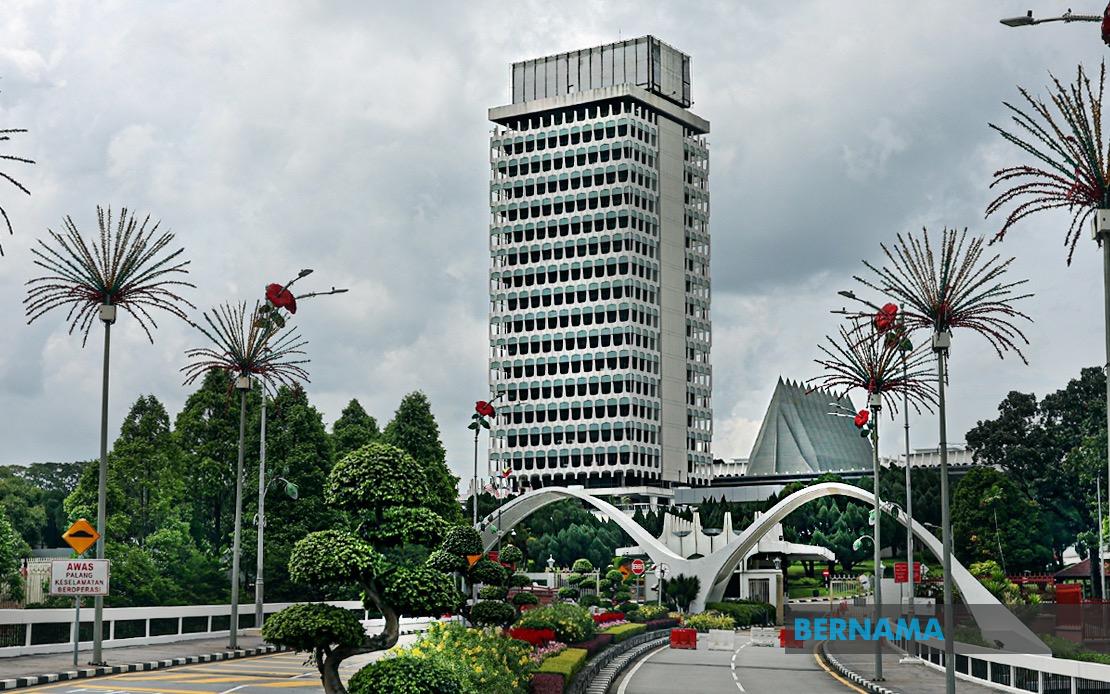
The Dewan Rakyat is turning its attention to two pressing issues confronting Malaysia this week: the controversial East Coast Expressway Phase 3 (LPT3) infrastructure project and intensifying efforts to combat the illicit vaping trade targeting adolescents and schoolchildren. Scheduled across a 16-day parliamentary session concluding July 16, today's proceedings will feature parliamentary questions and debates that probe government policy on both the toll highway's implementation framework and public safety concerning nicotine products.
The LPT3 represents a significant infrastructure undertaking that has generated considerable debate regarding its financing structure and long-term implications for motorists. During Question Time, Wan Hassan Mohd Ramli from Dungun will press the Works Minister on the government's principal reasoning behind adopting a public-private partnership arrangement for this project. The inquiry will specifically probe the toll arrangement implications and the proposed timeline for completion, reflecting mounting parliamentary and public concern that PPP models can burden users with elevated charges over extended periods. This questioning reveals underlying tensions between infrastructure development needs and affordability concerns that resonate across Malaysian constituencies, particularly in areas dependent on expressway connectivity for commerce and commerce.
The PPP model itself warrants closer examination within Malaysia's broader infrastructure financing context. Such arrangements typically transfer substantial operational risk to private operators, who recoup investments through toll collection over concession periods spanning decades. This structure raises legitimate questions about whether toll levels will remain competitive and whether public interests receive adequate protection. For Malaysian drivers, particularly commercial operators and commuters in the east coast region, toll rates directly affect business viability and household budgets. The parliamentary inquiry signals that lawmakers recognise these trade-offs and are demanding transparency regarding cost-benefit calculations before implementation proceeds.
Parallel to infrastructure concerns, the Dewan Rakyat will examine the government's enforcement strategy against syndicates distributing vaping products to vulnerable populations. Datuk Mas Ermieyati Samsudin will question the Home Minister about heightened enforcement mechanisms targeting criminal networks profiting from youth nicotine addiction. This parliamentary focus reflects growing alarm among parents, educators, and health professionals regarding vaping's penetration into Malaysian schools. Unlike traditional cigarette smuggling, the vaping trade operates through sophisticated networks exploiting online platforms and social media, making conventional enforcement challenging.
The youth vaping crisis presents Malaysia with a public health problem of mounting urgency. Young people face aggressive marketing strategies and product innovation designed to obscure the nicotine content and addictive properties of vaping devices. Parliamentary attention to syndicate disruption indicates recognition that supply-side interventions remain critical despite demand-reduction education campaigns. Effective enforcement requires cross-agency coordination between customs, police narcotics units, and health authorities, alongside international cooperation given the transnational nature of illicit trade flows.
Beyond these flagship issues, other parliamentary questions will probe complementary policy challenges. P. Prabakaran will interrogate the Home Minister on congestion at Malaysia's entry points and immigration clearance efficiency, highlighting how inadequate border infrastructure strains both legitimate commerce and security screening capacity. These concerns become particularly acute during peak travel periods and amid rising regional mobility. Similarly, Salamiah Mohd Nor will examine whether digital health platforms including MySejahtera and electronic health records have meaningfully reduced government hospital congestion, assessing technological implementation effectiveness in healthcare delivery.
The parliamentary session reflects the Dewan Rakyat's role in scrutinising executive policy across diverse portfolios. Questioning on infrastructure financing, youth protection, border management, and healthcare delivery reveals how contemporary governance challenges span multiple ministerial departments while interconnecting around themes of efficiency, equity, and public safety. For Malaysian citizens and businesses, these parliamentary debates ultimately determine resource allocation priorities and the regulatory environment shaping daily experience.
The LPT3 project particularly merits ongoing parliamentary scrutiny because expressway development decisions create irreversible commitments affecting regional development patterns for decades. The PPP model's terms, including toll structures and concession duration, will influence whether east coast connectivity facilitates inclusive economic development or primarily benefits connected interests while burdening ordinary users. Parliament's questioning should probe whether alternative financing models—including direct government investment or mixed-payment arrangements—were adequately considered before opting for private partnership.
Similarly, the vaping enforcement discussion must extend beyond reactive syndicate disruption toward systemic regulatory improvements. This includes border controls preventing illicit product entry, product labelling standards enabling consumers to identify contents accurately, and prosecution frameworks with penalties sufficiently punitive to deter criminal involvement. Parliamentary deliberation can illuminate whether current legal instruments provide enforcement agencies adequate authority or whether legislative amendments are necessary.
These parliamentary debates occur within Malaysia's complex political landscape where coalition dynamics and regional representation shape legislative priorities. Questions from Perikatan Nasional and Pakatan Harapan representatives indicate cross-partisan concern regarding infrastructure costs and youth protection, suggesting these issues resonate across Malaysia's political spectrum. Parliamentary engagement, even when perfunctory, creates transparency and documentary record that citizens and media can scrutinise, contributing to democratic accountability.
The parliamentary calendar concentrating multiple significant inquiries reflects how governance challenges accumulate—infrastructure decisions, public health crises, border administration, and healthcare system strain do not present themselves sequentially but simultaneously compete for policy attention. The Dewan Rakyat's capacity to examine these matters systematically, including through ministerial responses and subsequent debate, remains essential for democratic deliberation even when legislative outcomes remain uncertain. For Malaysian stakeholders concerned about toll rates, youth wellbeing, border efficiency, or hospital accessibility, today's parliamentary session represents an important forum for raising and documenting governance performance.

