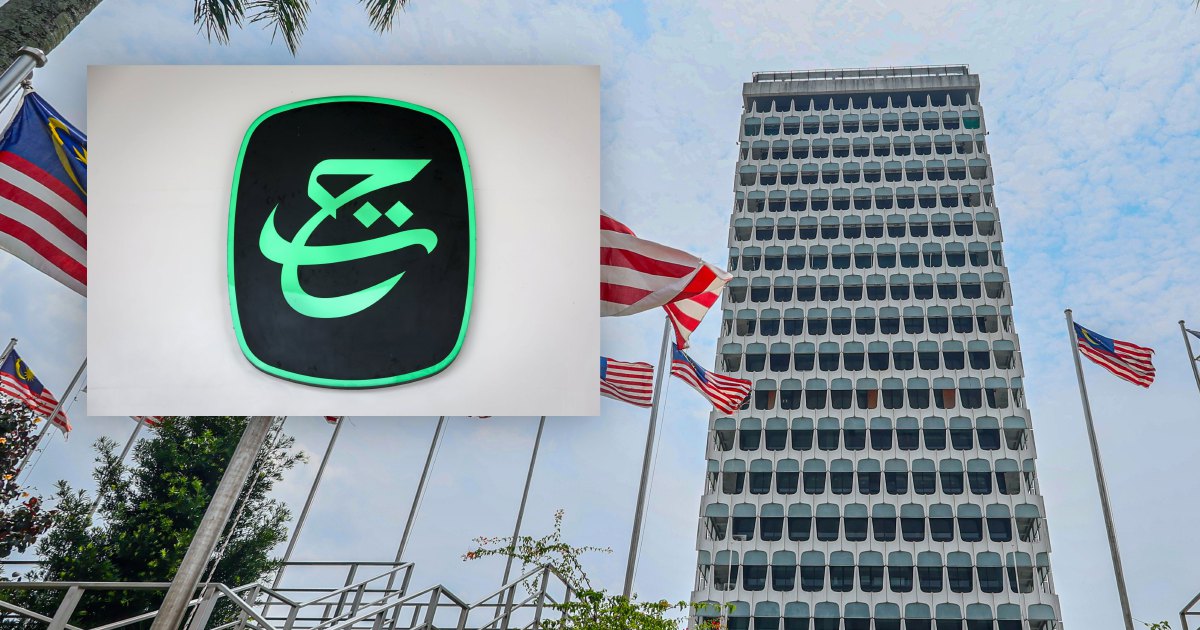
Prime Minister Datuk Seri Anwar Ibrahim has formally announced that Parliament will hold a special sitting on August 11 to address findings from the Royal Commission of Inquiry into Tabung Haji, signalling the government's commitment to legislative scrutiny of the embattled pilgrimage savings institution. The decision to convene an extraordinary session underscores the significance attached to the RCI's investigation and the need for comprehensive parliamentary review of the commission's conclusions.
Tabung Haji, the national fund established to facilitate Malaysian Muslims' pilgrimage to Mecca, has faced mounting scrutiny in recent years following revelations of substantial investment losses and governance concerns. The Royal Commission of Inquiry was initiated to examine the circumstances surrounding these financial irregularities and to assess accountability within the organisation's management structure. The findings are expected to shed light on decisions and practices that contributed to the fund's deteriorating financial position, a matter of considerable importance given that millions of Malaysian Muslims maintain savings accounts with the institution.
The timing of the parliamentary session reflects growing public and political pressure for transparency regarding Tabung Haji's operations. Lawmakers across the political spectrum have expressed concern about the stewardship of pilgrim funds, particularly as the organisation has grappled with investment underperformance and restructuring efforts. By scheduling a dedicated sitting rather than incorporating discussion into the regular parliamentary calendar, the government demonstrates acknowledgment that the RCI report warrants focused and sustained legislative attention.
Parliamentary sessions dedicated to specific inquiries allow for extended debate and detailed questioning of relevant ministers and officials. In this context, the August 11 sitting will provide an opportunity for members of Dewan Rakyat to examine the RCI's conclusions, interrogate the government's response framework, and potentially propose legislative or administrative reforms. The format enables deeper exploration than would typically be possible during routine parliamentary business.
For Malaysian pilgrims and prospective Umrah travellers, the RCI findings and subsequent parliamentary discussion hold direct implications. The outcome may influence policies governing fund management, investment oversight, and beneficiary protections. Many Malaysians depend on Tabung Haji as a disciplined savings mechanism for fulfilling one of Islam's five pillars, making institutional governance and financial security paramount concerns. The parliamentary review serves as a public accountability mechanism reassuring stakeholders that governance lapses will be systematically addressed.
The special sitting also carries broader implications for institutional governance in Malaysia. The willingness to convene dedicated parliamentary sessions for investigating specific bodies sets a precedent for legislative oversight of statutory organisations and government-linked entities. This approach reinforces Parliament's role in scrutinising public institutions beyond routine budgetary debates, potentially establishing a model applicable to other organisations requiring focused inquiry and accountability.
Industry observers and governance advocates have long advocated for enhanced parliamentary oversight of government-linked companies and institutions managing public or quasi-public funds. The August 11 session represents a tangible manifestation of this principle, demonstrating that Parliament can serve as a substantive forum for examining institutional performance and ensuring management accountability. The outcome may influence how Parliament engages with similar organisations in the future.
The RCI's investigation into Tabung Haji occurs against a backdrop of broader reforms within Malaysia's institutional and governance landscape. Recent years have witnessed increased emphasis on transparency, accountability, and rule of law across various sectors. The pilgrimage fund inquiry sits within this wider context of institutional scrutiny, reflecting evolving standards for managing public resources and beneficiary interests.
As Parliament prepares for the August 11 session, key questions remain regarding the RCI's specific recommendations, the scope of proposed remedial measures, and the timeline for implementing reforms. The parliamentary discussion will likely illuminate government priorities regarding Tabung Haji's future direction, whether restructuring measures will be accelerated, and what governance safeguards will be instituted to prevent recurrence of identified problems. These considerations extend beyond the institution itself, potentially influencing how Malaysia manages other significant public funds and government-linked entities moving forward.

