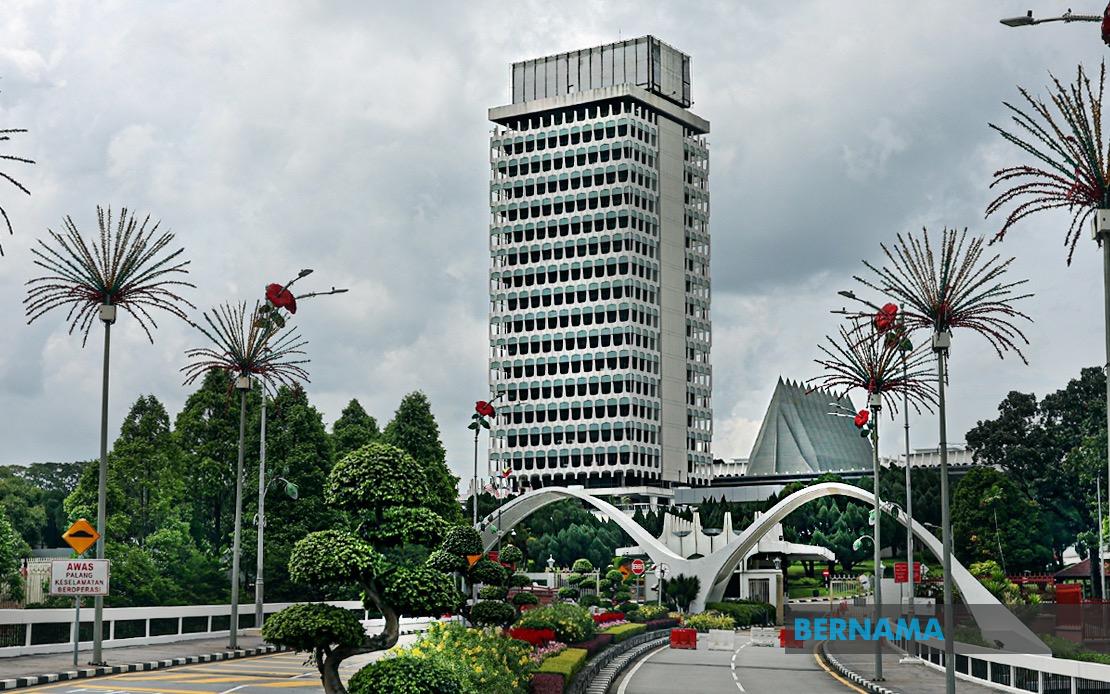
Parliament will turn its attention today to pressing economic and governance matters affecting Malaysian businesses and institutional accountability, with legislators set to grill the government on its handling of persistent financing obstacles faced by small enterprises and concerning developments in the country's media landscape. The session, commencing at 10 am, will feature several substantive questions that reflect broader anxieties within both the entrepreneurial community and civil society about the trajectory of Malaysia's economic support systems and democratic institutions.
The funding predicament confronting Malaysia's micro, small and medium enterprises has emerged as an increasingly urgent concern within the business community. Lee Chuan How, representing Ipoh Timor, will use the ministerial questioning platform to probe whether the MADANI Government acknowledges the deepening anxieties amongst MSME proprietors who struggle to access adequate financing for operational continuity. This line of inquiry reflects a fundamental challenge in Malaysia's economic architecture—despite these enterprises forming the backbone of the nation's employment base and contributing significantly to gross domestic product, many operators encounter substantial obstacles when attempting to secure credit facilities from conventional banking channels. The persistence of this issue suggests that existing government schemes and financing mechanisms may not adequately address the particular vulnerabilities and structural constraints facing smaller businesses competing within an increasingly competitive regional marketplace.
The question of media independence and press freedom will occupy considerable parliamentary attention, particularly given Malaysia's slippage in international benchmarks measuring journalistic autonomy. Ahmad Fadhli Shaari from Pasir Mas will press the Prime Minister for clarification regarding Malaysia's decline to 95th position in the 2026 World Press Freedom Index, representing a notable deterioration from the nation's 88th ranking in the previous assessment cycle. This sliding position carries implications extending far beyond perception management; press freedom rankings influence international investor confidence, affect the nation's soft power positioning within regional and global discourse, and fundamentally relate to the health of democratic processes that depend upon informed public debate. The parliamentarian's request for comprehensive governmental measures to fortify media independence signals recognition that passive acceptance of declining rankings poses risks to Malaysia's standing as a democratic nation committed to institutional transparency and accountability.
Beyond these headline issues, the parliamentary session will address accessibility challenges within Malaysia's religious infrastructure. Aminolhuda Hassan, representing Sri Gading, will inquire whether the government contemplates establishing a dedicated Senior Citizens-Friendly Fund specifically designed to facilitate the installation of accessibility features—including wheelchair ramps and appropriately equipped toilet facilities—within mosques and suraus nationwide. This question underscores an often-overlooked dimension of inclusive governance: ensuring that Malaysia's elderly population can participate fully in religious observance and community life regardless of physical limitations. The proposal carries particular resonance given Malaysia's aging demographic trajectory and the government's broader inclusive development agenda.
Parliament will subsequently engage in deliberative examination of the Human Rights Commission of Malaysia's 2024 Annual Report and Financial Statement, a discussion that creates space for critical assessment of institutional performance in protecting and advancing fundamental rights across Malaysian society. This scheduled debate provides legislators with an opportunity to evaluate SUHAKAM's effectiveness, resource adequacy, and the commission's responsiveness to emerging human rights challenges within the national context.
The legislative agenda will culminate with resumed debate concerning the Constitution (Amendment) (No. 2) Bill 2026, legislation that carries substantial institutional implications through its proposed separation of the Attorney General and Public Prosecutor roles. This constitutional modification represents a significant structural reform that touches upon core separation-of-powers principles and institutional independence within Malaysia's justice system. The separation aims to enhance the autonomy of prosecutorial functions and mitigate potential conflicts of interest inherent in concentrating these responsibilities within a single office. For Malaysian stakeholders observing developments in judicial independence and executive oversight, this amendment signals ongoing refinement of constitutional architecture intended to strengthen institutional checks and accountability mechanisms.
Collectively, today's parliamentary focus encompasses interconnected dimensions of Malaysia's contemporary governance challenges: economic resilience and business sustainability, institutional autonomy and democratic functioning, inclusive social provision, and constitutional reform oriented toward strengthened separation of powers. The multiplicity of these concerns underscores the complex terrain navigated by Malaysian legislators as they attempt simultaneously to address immediate economic pressures affecting business operators, safeguard democratic institutions critical for informed public discourse, ensure equitable service access for vulnerable populations, and advance constitutional frameworks designed to prevent power concentration.
For Malaysian businesses, particularly those operating at the MSME scale, today's parliamentary discussion provides potential visibility for financing accessibility as a policy priority that warrants government attention and possible programmatic innovation. Entrepreneurs and their representative organizations will monitor closely whether parliamentary questioning translates into concrete policy measures or enhanced funding mechanisms. Similarly, media practitioners and organizations advocating for press freedom will assess whether governmental responses acknowledge the seriousness of Malaysia's declining international ranking and commit to institutional reforms enhancing editorial independence. The session thus represents not merely procedural parliamentary exercise but rather a critical juncture for channeling stakeholder concerns into legislative and executive attention, a function that remains central to representative democracy's capacity to translate citizen priorities into government action.

